Artemy Vedel (1767-1808) was arrested in 1799, declared 'mentally ill,' and confined to a 'lunatic asylum' in Kyiv, spending the last years of his life in reformatories for an unknown offense.
Historical Context
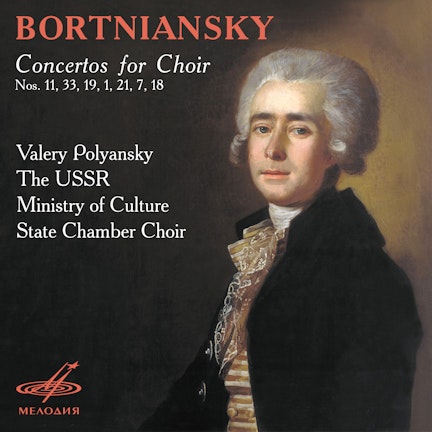
Artemy Vedel, Dmitry Bortniansky, and Maxim Berezovsky are known as the 'Golden Three' of 18th-century Ukrainian classical music, rediscovered by Ukraine since the 1990s.
Historical Context
The Russian Revolution of 1917 and the subsequent cultural revolution aimed to destroy the power of religion in the Russian Empire, leading to sacred music falling into public oblivion.
Composition History
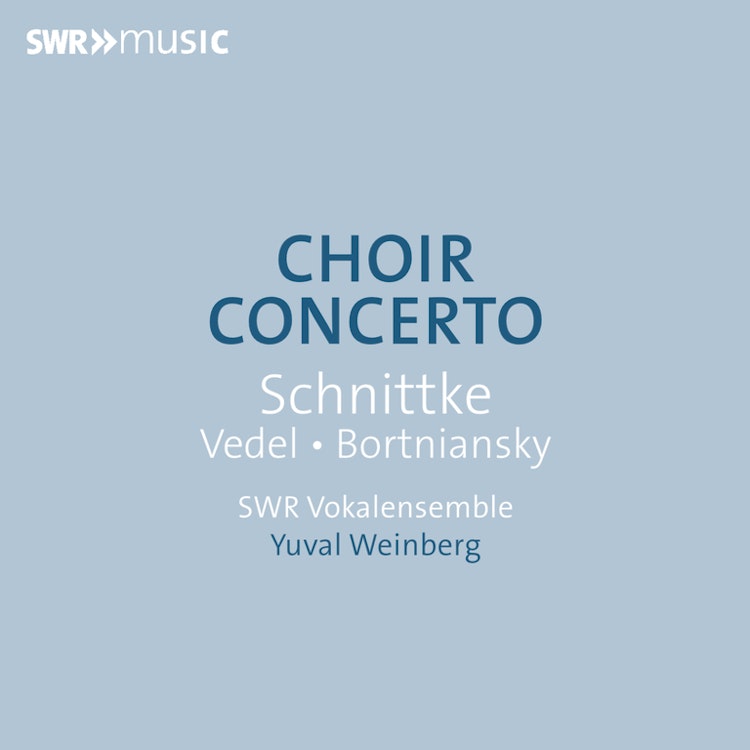
Schnittke's 'Konzert für Chor' originated from a single-movement work premiered in 1984, which was later expanded into the four-movement concerto at the encouragement of conductor Valery Polyansky.
Compositional Technique
Schnittke stated about his 'Konzert für Chor': 'I have written the music the text called for, not the music I chose myself,' indicating his compositional approach was driven by the text.
Composer Biography
Alfred Schnittke, despite being raised an atheist in the Soviet state education system, was baptized Catholic in 1982 and admitted into the Orthodox Church shortly before his death.
Composer's Artistic Vision
The texts for Schnittke's 'Konzert für Chor' are from 'The Book of Lamentations' by the medieval Armenian poet Gregory of Narek (951-1003), which consists of 95 prayers about finding comfort and hope in God.