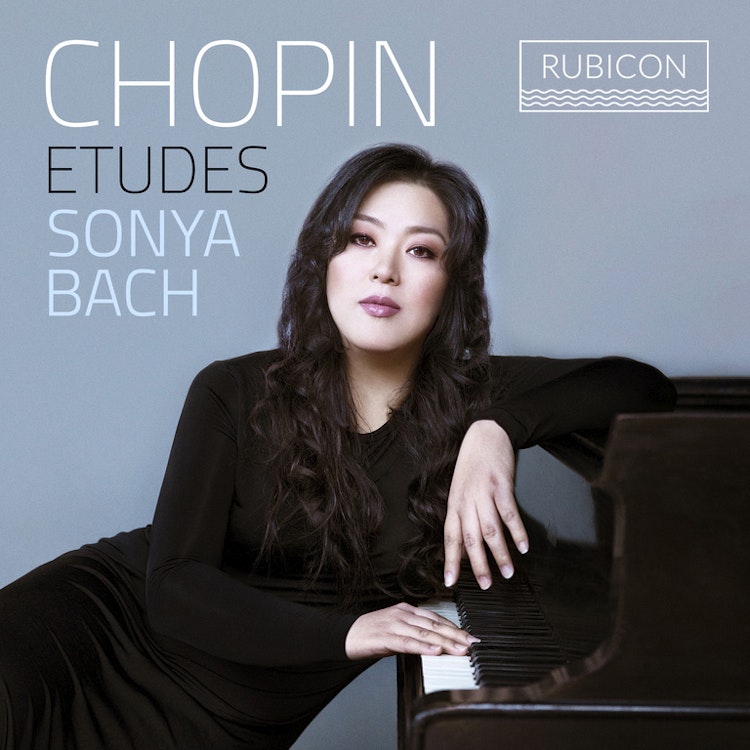
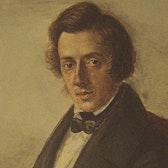
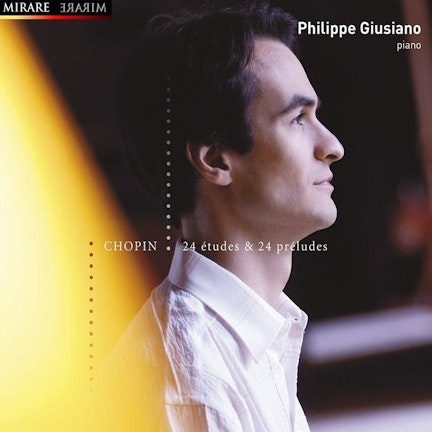
Theodor Kullak, a pianist, teacher, and composer, wrote in the late 19th century that Frédéric Chopin's name marked a new epoch in the history of the étude.
Composer Biography
Chopin dedicated his Op.10 set of Études to Franz Liszt, who quickly added them to his repertoire, prompting Chopin to express a desire to "steal from him the way to play my own studies."
Compositional Technique
Chopin's Études uniquely fuse specific technical challenges with inspired musical poetry, revolutionizing finger technique and introducing audacious new harmonies that influenced Impressionism.
Composer's Artistic Vision
In his Trois Nouvelles Études, Chopin eschewed overt virtuosity, opting instead for introspective studies in cross-rhythms and contrasting articulations, differentiating his approach from his contemporaries.
Composition History
The Trois Nouvelles Études were commissioned for Méthode des méthodes de piano, a piano method designed by Chopin's friend Ignaz Moscheles and music critic François-Joseph Fétis.
Composition History
The Études of Op.10 were not published in the order they were written; for example, the first one in C major was composed when Chopin was about 19, while No.3 in E major was among the last.
Compositional Technique
Chopin's 24 Études Opp. 10 and 25 are considered a complete textbook of Romantic piano technique and a guide to Chopin's style.