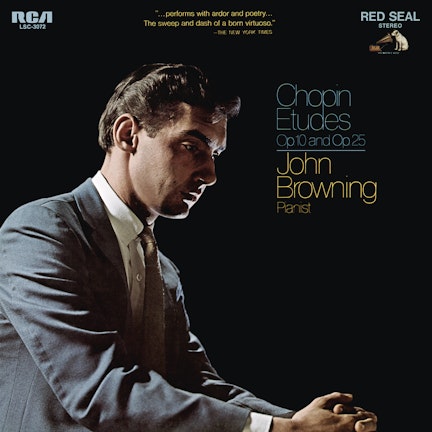
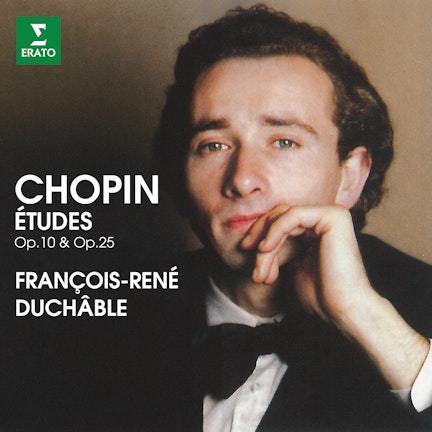
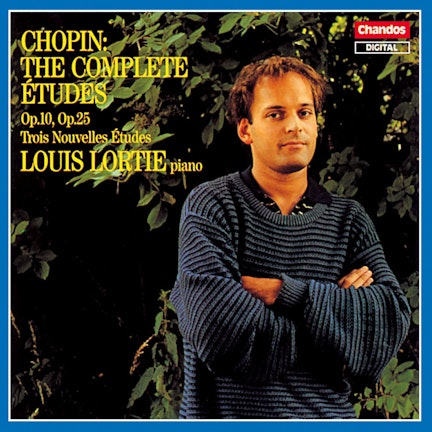
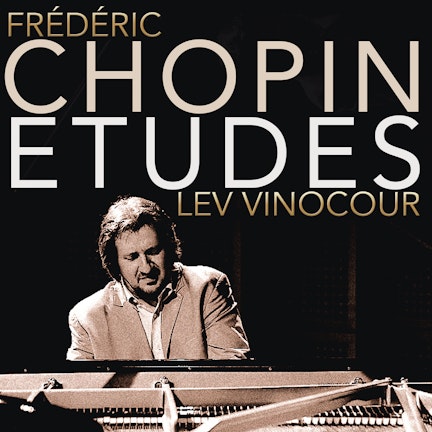
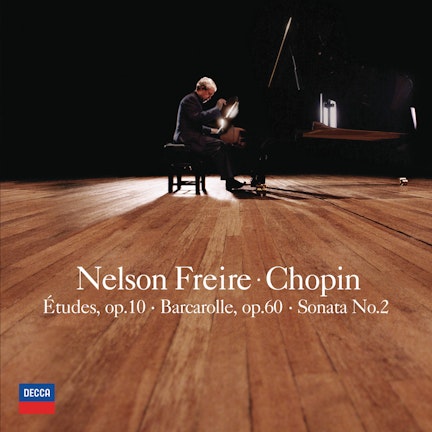
Even renowned pianists like Arthur Rubinstein admitted they never mastered all of Chopin's Etudes, and Vladimir Horowitz found many of them "terrible" and unplayable for himself.
Composition History
Chopin's Etudes were groundbreaking, elevating his status as a pianist and composer upon their publication in 1833, and were intended to make a spectacular impact.
Composition History
Franz Liszt, to whom Chopin's Etudes were dedicated, once played them for Chopin, who remarked, "I wish I could steal the way he interprets my own Etudes."
Compositional Technique
Chopin's Etudes often feature a "monothematic piano style" where a single technical challenge is explored throughout a piece, creating a clear and appealing effect.
Composer's Artistic Vision
Chopin's Etudes exhibit a "neo-Baroque" character, drawing inspiration from the rhythmic patterns of the Baroque era and the 24-part structure of J.S. Bach's 'Well-Tempered Clavier'.
Composer Biography
Chopin held J.S. Bach's 'Well-Tempered Clavier' in high regard, considering it central to his own pianistic identity, and could play 14 of Bach's Preludes and Fugues from memory.
Cultural Impact
Chopin's Etudes set an exceptionally high standard for the genre, with all subsequent ambitious attempts by composers like Liszt, Schumann, and Rachmaninoff being measured against their quality.