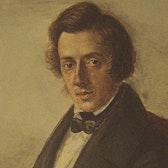
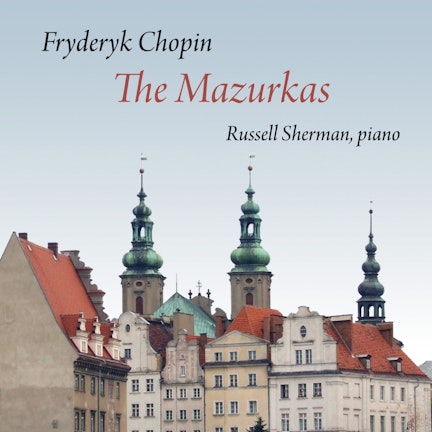
Chopin's mazurkas, named after the Mazurs people of Poland, come in three varieties: the noble mazur/mazurek, the lighter oberek, and the melancholic kujawiak.
Performer Biography
Lukas Geniušas, the Russian-Lithuanian pianist on this album, is praised for his "brilliance and maturity" and performs in prestigious venues worldwide.
Composer Biography
Chopin's Third Sonata was written in 1844, a few months after the death of his father, Nicolas Chopin, and during a new outbreak of his tuberculosis.
Critical Reception
Hector Berlioz, a composer known for monumental works, was charmed by Chopin's mazurkas, noting their incredible details and Chopin's soft performance style.
Composition History
The Third Sonata, unlike Chopin's previous two sonatas, concludes in an optimistic major mode, reflecting the joy of his sister Ludwika's visit and their time together in Paris and Nohant.
Composer's Artistic Vision
Chopin's mazurkas are considered his most intimately Polish compositions, with Wilhelm von Lenz, a close friend, calling them "the diary of his spiritual journeys through the political and social territories of the Sarmatian dreamland."
Cultural Impact
The melodic quality of some of Chopin's mazurkas led Pauline Viardot, a French mezzo-soprano, to arrange twelve of them for voice and piano.