The Variations in B flat major, Op. 12, summarize Chopin's pianistic experiences and explore new textural possibilities beyond the pure 'brilliant style'.
Compositional Technique
Chopin's Nocturne in E flat major, Op. 9 No. 2, a short and simple piece, accumulated dozens of variants and fiorituras added by the composer himself in his pupils' books.
Performer Biography
Bronisława Kawalla, the pianist on this album, won first prize at the International Bach Competition in Washington in 1975 and is currently the President of the Fryderyk Chopin Society in Warsaw.
Composition History
The exact composition date of Chopin's Nocturne in E minor, NE 23, is debated, with some scholars suggesting it's a later work due to its maturity and melancholic mood.
Composer's Artistic Vision
Chopin's Variations in B flat major, Op. 12, are not meant to convey 'deep mood' but rather to showcase brilliant theme interpretation, challenging the common misconception that they are inferior works.
Compositional Technique
The Grande Polonaise in E flat major, Op. 22, originally for piano and orchestra, was also arranged by Chopin for solo piano, as he recognized the orchestra's minor role as an accompaniment.
Critical Reception
The sophisticated sound of Chopin's early Mazurkas, with their use of tritones and discords, was initially not understood by critics.
You might also enjoy...
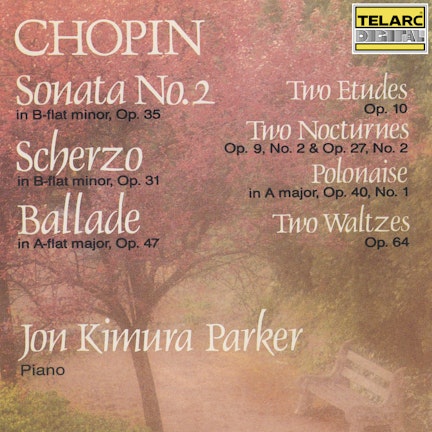
Chopin: Piano Works
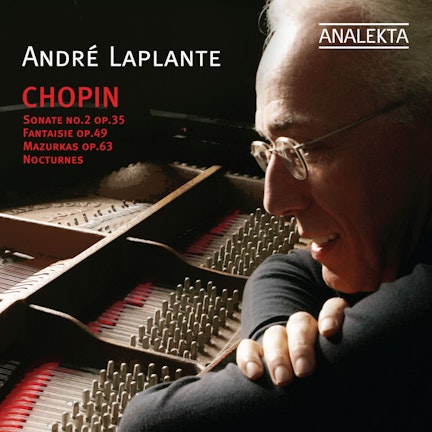
Chopin: Fantaisie in F minor - Ballades - Mazurkas - Nocturnes
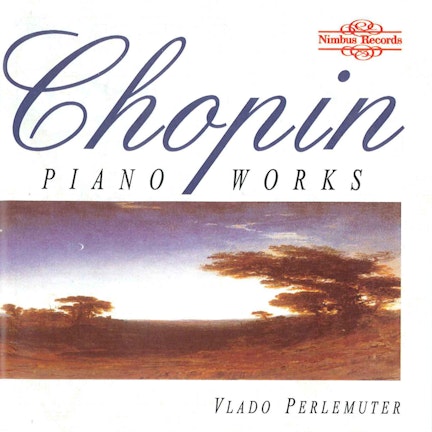
Chopin: Piano Works
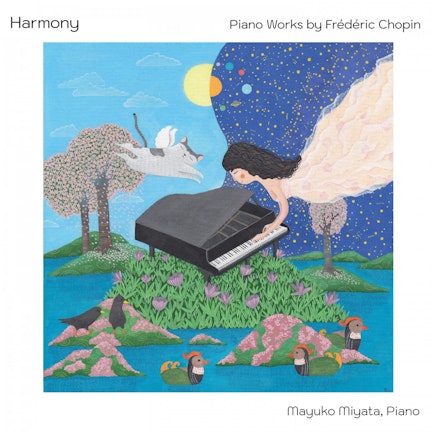
Harmony
Chopin: Complete Solo Piano Works in Opus Order, Vol. 4
Chopin
Chopin: Piano Works
Chopin intime
Nikolai Lugansky Plays Chopin
Chopin: Complete Solo Piano Works in Opus Order, Vol. 6