Late 17th-century oratorios, including L'Assalonne, often served as political propaganda and devout meditations on monarchy, rather than just general catechesis.
Composition History
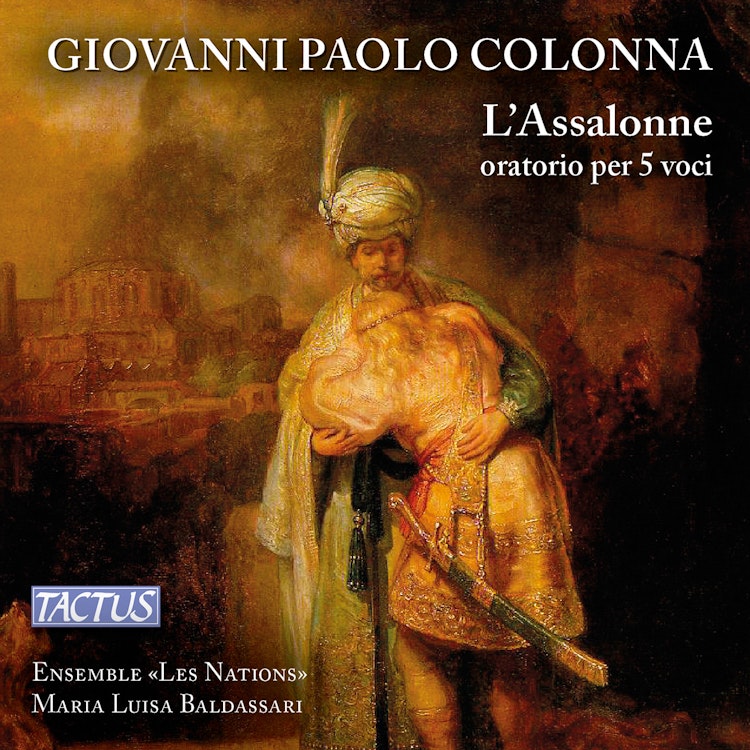
L'Assalonne and Giudith, two oratorios by Giovanni Paolo Colonna, were set to music on a libretto by Giacomo Antonio Bergamori, a prolific amateur poet from Bologna.
Composer's Artistic Vision
Unlike operas, oratorios were often used as instruments of admonition, confronting monarchs with the perils of their role and the gravity of their office.
Compositional Technique
L'Assalonne features a unique instrumental configuration, excluding the two viola parts typically found in Colonna's oratorios, and including an evocatively warlike trumpet.
Composition History
The story of Absalom in this oratorio, based on the biblical Old Testament, was a delicate theme for Duke Francesco II d'Este due to parallels with his own relationship with his mother, Laura Martinozzi.
Composition History
Giovanni Paolo Colonna's oratorio L'Assalonne was one of over half of his thirteen oratorios connected to the court of Francesco II d'Este, the music-loving Duke of Modena.
Historical Context
Many oratorios of the period, including L'Assalonne, were inspired by contemporary history, such as the recent defeat of the Ottoman army in the siege of Vienna in 1683.
You might also enjoy...
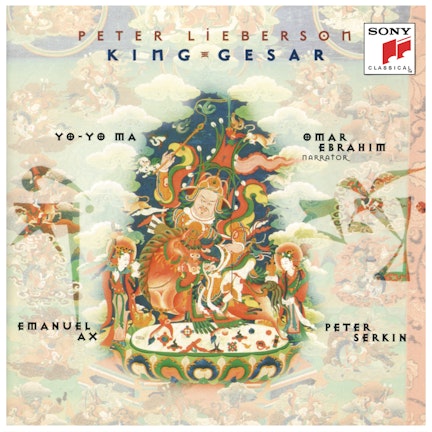
Lieberson: King Gesar
Banchieri: La pazzia senile & Saviezza giovenile
Weill: Love Life
Stolzel: Alles Was Sonst Lieblich Heisset / Seid Willkommen, Schone Stunden
Lieberson: King Gesar (Remastered)
Handel: Catone, HWV A7
Henze: The Raft of the Medusa
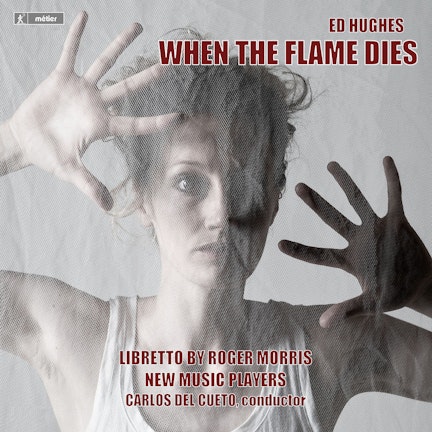
Ed Hughes: When the Flame Dies
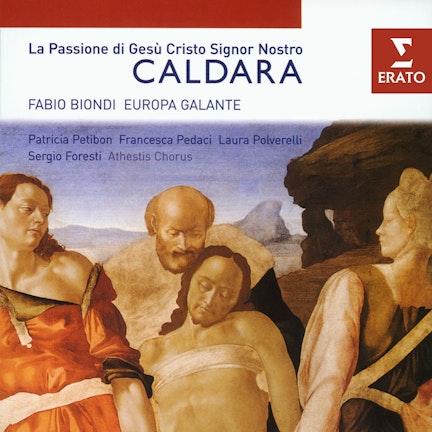
Caldara - La Passione di Gesú Cristo Signor Nostro
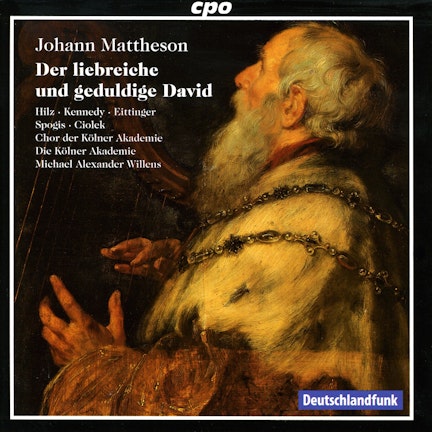
Mattheson, J.: Liebreiche Und Geduldige David (Der) [Oratorio]