Ries's flute chamber music, with its demanding and equally valued parts, was difficult to sell because it did not cater to the popular taste for virtuoso showpieces where one instrument shines.
Composer Biography
Ferdinand Ries, born in Bonn in 1784, led an erratic life due to historical upheavals, which allowed him to settle and achieve self-realization in a culturally significant role only for short periods.
Composer's Artistic Vision
Ferdinand Ries represents the transition from the Classical style to a new musical expression and thought, with his piano playing described as 'Romantic wildness' in 1824.
Interpretation
The Ardinghello Ensemble performs chamber music from the Classical and Romantic periods, focusing on both well-known composers and previously unknown compositions, using historical bows and flutes to enhance emotional access to the music.
Compositional Technique
Ries's Flute Quartets Op. 145 are extensive chamber music works with equally valued and demanding parts for all instruments, conceived like a Haydn, Mozart, or Beethoven string quartet.
Composition History
The Flute Quartets Op. 145 were composed in London between 1814-15, where Ries spent his most successful years, but were only published in 1826 by Nikolaus Simrock, a leading music publisher and Ries's old acquaintance.
Composer's Artistic Vision
Ferdinand Ries, through his unusually imaginative compositions, positions himself as a master of chamber music who both respects classical traditions and pioneers a poetic musical worldview that diverged from the mainstream of his time.
You might also enjoy...
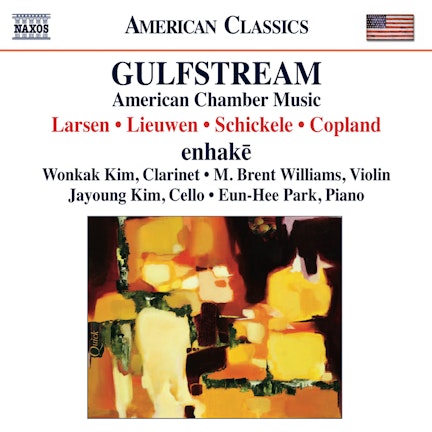
Gulfstream: American Chamber Music
Reicha: Quartets, Op. 98
Prokofiev: Suite from Romeo and Juliet (arr. Borisovsky)
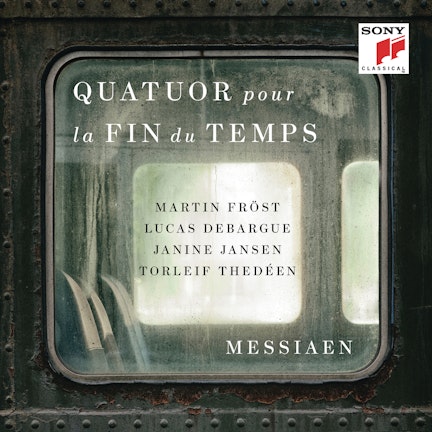
Messiaen: Quatuor pour la fin du temps (Quartet for the End of Time)
Messiaen: Quatuor pour la fin du Temps
Ramsoe: Brass Quartets Nos. 1, 2, 4 and 5
Messiaen: Quatuor pour la fin du Temps
Pugni: Three Quartets for Clarinet and String Trio
Shostakovich: Symphony No. 15 (Arr. for Piano Trio and Percussion) / Piano Trio Nos. 1 and 2
Wuorinen: 6 Trios
Reicha: Quintets for Winds & Strings, Vol. 3
Reger & Hindemith: Clarinet Quintets and Other Chamber Music