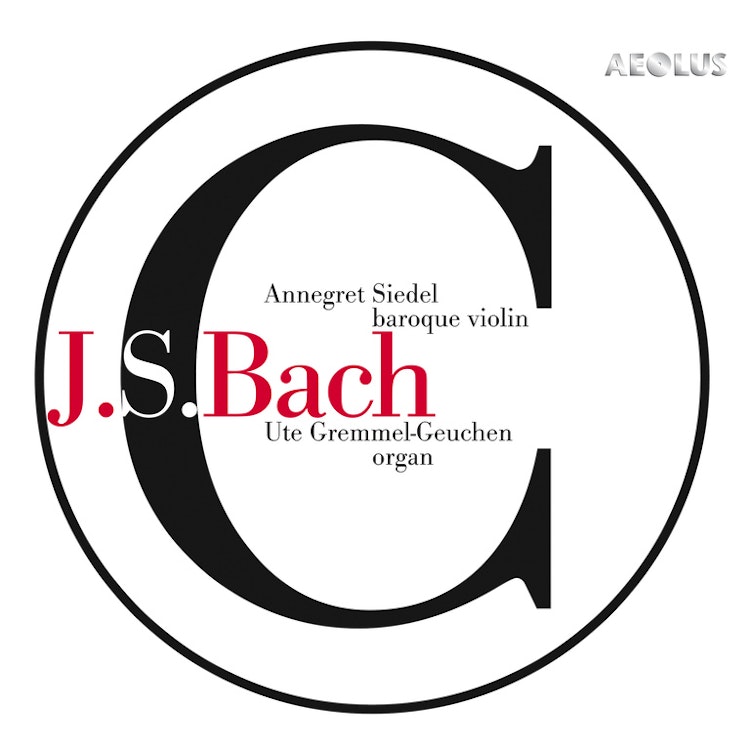
The album's program consists exclusively of arrangements made by Bach himself, as well as more recent transcriptions of his works, for violin and organ.
Historical Context
The combination of organ with melodic instruments, particularly the violin, played from the organ loft, was a vibrant tradition in 17th-century North German organ music, of which Bach was a late representative.
Recording & Production
The recording was made in high resolution stereo 2.0 and 5.0 multichannel surround sound, using 9 DPA 4006 omnidirectional microphones, 2 Schoeps MK4, and 2 Neumann KM 140 microphones.
Composer Biography
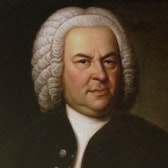
Both the violin and the organ were instruments at which Johann Sebastian Bach excelled.
Composition History
The famous Toccata and Fugue in D minor (BWV 565) might not have been composed by Bach, or at least not originally for organ, due to stylistic discrepancies and a single 18th-century source.
Instruments
The violins used on this recording include a Jacob Stainer from Absam, 1670, and a Leopold Widhalm from Nuremberg, ca. 1770, reflecting the high Baroque ideal of noble, bright, and colorful violin timbre.
Composer's Artistic Vision
Throughout his life, Johann Sebastian Bach frequently arranged, transcribed, and 'parodied' existing works, including his own, for different instrumental settings or with new texts.
You might also enjoy...
PARMA Music Festival Live 2014
#3
LIFE
Incontri
Best of Klassik 2021 - Opus Klassik
Hauer: Zwölftonspiele
20 years Hohenstaufen Festival
Waytes: English Music for a Renaissance Band
E. Power Biggs plays Historic Organs of France
Süddeutsche Orgelmeister, Vol. 5: Hans Leo Hassler