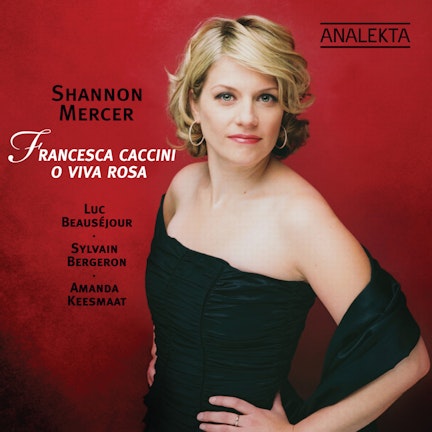
Emma Kirkby, a soprano on this recording, did not initially intend to become a professional singer, studying classics at Oxford and working as a schoolteacher before pursuing her passion for Renaissance and baroque repertoire.
Compositional Technique
Despite a papal ban on instruments during Holy Week, Couperin used a modest accompaniment of just bass viol and organ for his 'Leçons de Ténèbres'.
Composer's Artistic Vision
The texts for the 'Leçons de Ténèbres' are chosen for their despair and desolation, and each lesson ends with a paraphrase of Hosea 14:1: 'Jerusalem, turn to the Lord thy God'.
Composer Biography
Michel-Richard de Lalande, a composer featured on this album, was engaged by Louis XIV as a harpsichord teacher and became Maître de Chapelle at Versailles, maintaining a 43-year association with the court.
Historical Context
The nine 'Leçons de Ténèbres' were originally sung early in the morning, but by the mid-17th century, they were performed the evening before, possibly because singers were reluctant to perform florid solo baroque music at dawn.
Historical Context
The 'Leçons de Ténèbres' are settings of the prophet Jeremiah's verses of mourning, which had been sung for centuries as plainchant and polyphony before the Council of Trent established the Holy Week liturgy.
Composition History
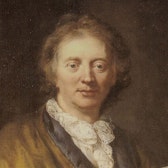
François Couperin's 'Leçons de Ténèbres' are among his finest works, though only three of a complete set of nine lessons he mentioned in a preface have come to light.