The 'air de cour' is considered one of the sources for the modern 'chanson française,' where the text and vocal line are enhanced by an intimate performer, with artists like Jacques Brel and Georges Brassens being its heirs.
Compositional Technique
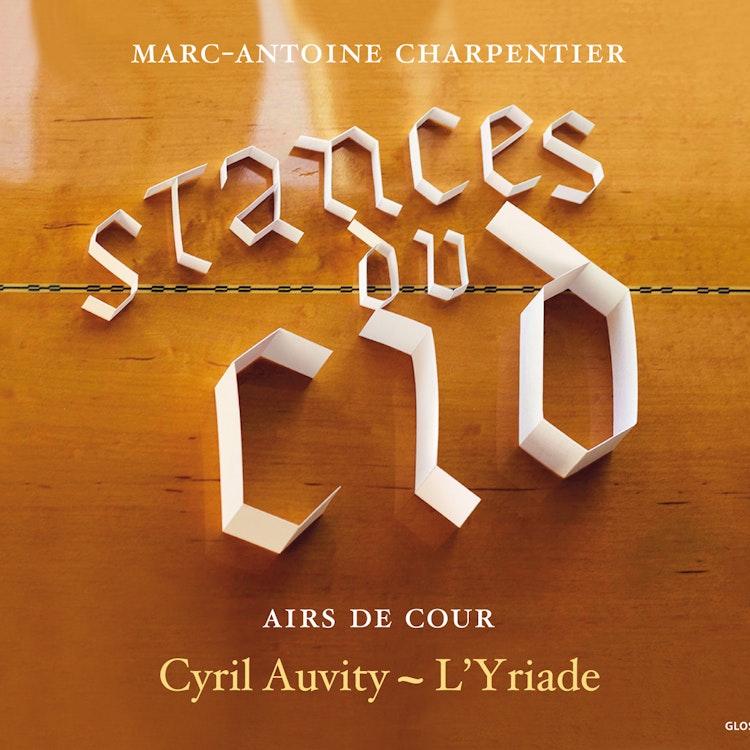
The 'Stances du Cid' by Charpentier are composed in G minor, a key described by Baroque theorist Johann Mattheson as 'the most beautiful... full of a spirited loveliness,' suitable for both tender and joyful matters.
Cultural Impact
The 'air de cour' genre was popular across social classes, bridging the gap between street life and aristocratic mansions by incorporating successful elements from both.
Historical Context
The term 'air de cour' first appeared in 1570 with Robert Ballard's publication of 'Livre d'airs de cour mis sur le luth,' a collection of songs for solo voice and lute.
Composer Biography
Marc-Antoine Charpentier, a haute-contre himself, received his musical and cultural education in both France and the Roman Baroque, leading to a blend of Italian and French styles in his works.
Compositional Technique
The haute-contre, a high tenor voice, uses a 'voix mixte' (a blend of chest and head voices) and is distinct from a counter-tenor, which imitates the feminine range of a castrato.
Composition History
Many of Charpentier's 'airs de cour' were published during his lifetime in collections like 'Recueils d'airs sérieux et à boire' and also gained wide circulation through the 'Mercure Galant' newspaper.