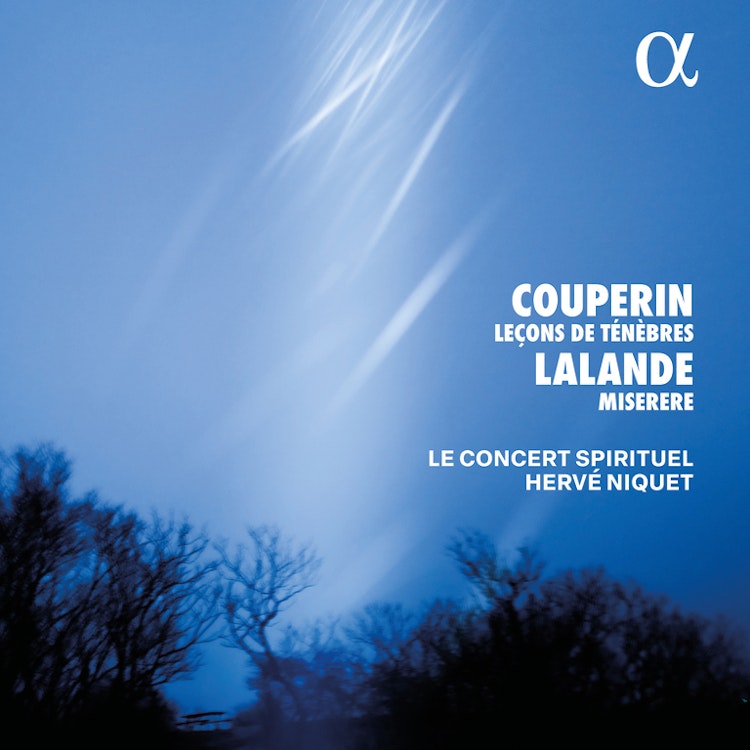
The Leçons de Ténèbres faced increasing criticism for their 'unmannerly excess' in sacred settings, with fashionable singers making faces at the faithful, leading to their decline in popularity.
Recording & Production
The recording of this Couperin/de Lalande album was a smooth process, despite the difficulty of the music, because the performers had been playing these works in concert for over ten years.
Performer Biography
Hervé Niquet, the conductor, founded Le Concert Spirituel in 1987 and specializes in French repertoire from the Baroque to Claude Debussy, also exploring 19th and 20th-century works.
Composition History
François Couperin's Leçons de Ténèbres, composed in 1714, were originally written for the Abbey of Longchamp, a royal convent known for its 'skilled musicianship' among the nuns, despite its scandalous reputation.
Cultural Impact
In 17th-century France, attending Leçons de Ténèbres became a fashionable social event, offering an opportunity for concerts during Holy Week when other music was forbidden.
Historical Context
The Leçons de Ténèbres, originally Lamentations of the Prophet Jeremiah from the Old Testament, were incorporated into Catholic liturgy around the 8th century and were associated with the three days before Easter.
Compositional Technique
The unique structure of the Leçons de Ténèbres involves each musical sequence beginning with a letter of the Hebrew alphabet, set to long, elaborate melismas.
You might also enjoy...
Udite amanti: 17th Century Italian Love Songs
Canta la Maddalena
Veljo Tormis: Reminiscentiae
d'India, Piccinni & Kapsberger: Works
"M'arrêter ici…" (Esquisses d'Asie Mineure)
Exultet (oeuvres vocales)
Rímur
Brahms: Werke für Chor und Orchester
Music of Schoenberg, Dallapiccola, Crumb, Boulez & Others
The Splendour of Florence with a Burgundian Resonance