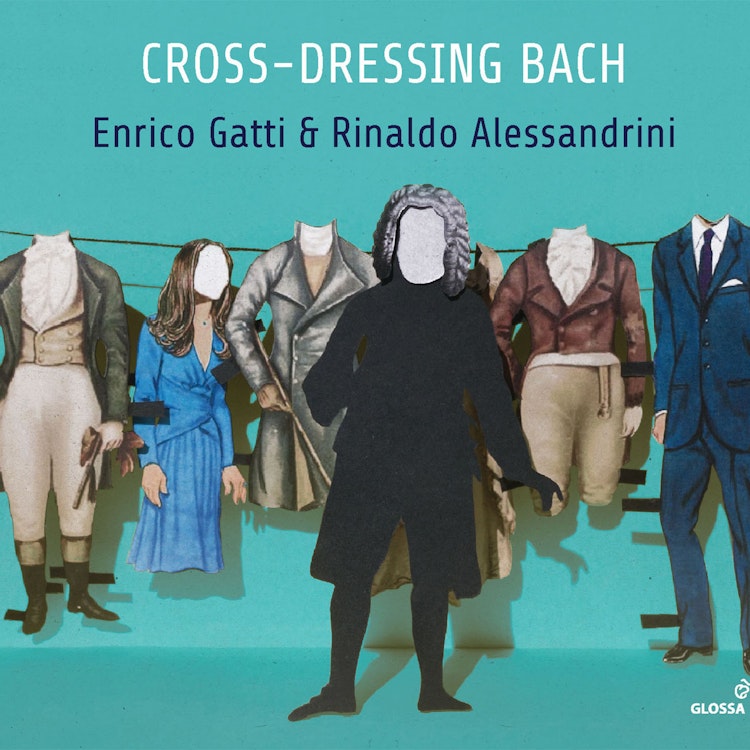
Cross-dressing Bach: Chamber Rarities & Alternative Versions
5/4/2018, 17 Tracks, 1:08:57
Featuring
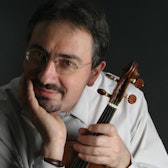
Enrico Gatti
Rinaldo Alessandrini
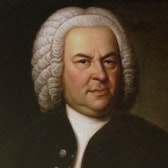
Johann Sebastian Bach
Did you know?
1/7
Compositional Technique
Bach's creative process often involved adapting works for different instruments, sometimes even transposing them to suit the new medium, as seen in the Partita in G minor for solo violin.
Album & Artwork
The album title, 'Cross-dressing Bach', refers to the performers' experimentation with how Bach's musical writing is enriched by changes in instrumentation.
Historical Context
The Sonatas for violin and harpsichord in D major and G minor, originally for viola da gamba, were adapted when the viola da gamba had fallen out of fashion.
Composer's Artistic Vision
Bach's first biographer, Johann Nikolaus Forkel, noted that Bach revised his works many times, refining them in every minimum detail, driven by an inexhaustible striving for perfection.
Composer Biography
Johann Friedrich Agricola, a student of Bach, recalled that Bach used to play his solo violin and cello works on the clavichord, adding supplementary harmony for study and teaching.
Composition History
The Fuga in G minor BWV 1026 for violin and basso continuo is the oldest known Bach chamber music, preserved in a copy made after 1712 by Johann Gottfried Walther, Bach's cousin and colleague.
Composition History
The flexibility of instrumentation in Bach's works is linked to various stages in his career, practical contingencies, and his continuous revisions.
You might also enjoy...
Imagination
Telemann: Chalumeaux & Salterio
Élisabeth Jacquet de La Guerre: Sonates pour violon; viole obligée et basse-continue
The Father, the Son & the Godfather
Bach & Entourage
Uccellini: Violin Sonatas from Opp. 3-5
C.P.E. Bach: 3 Sonatas for Viola da Gamba
"Générations" Senaillé & Leclair : Sonatas for Violin and Harpsichord
Variety - The Art of Variation. Works for Violin by Biber, Fux & Schmelzer