During World War I, Debussy composed sonatas for cello and piano, and for flute, viola, and harp, as a resistance to the influence of Austro-German music, reconnecting with 18th-century French tradition.
Compositional Technique
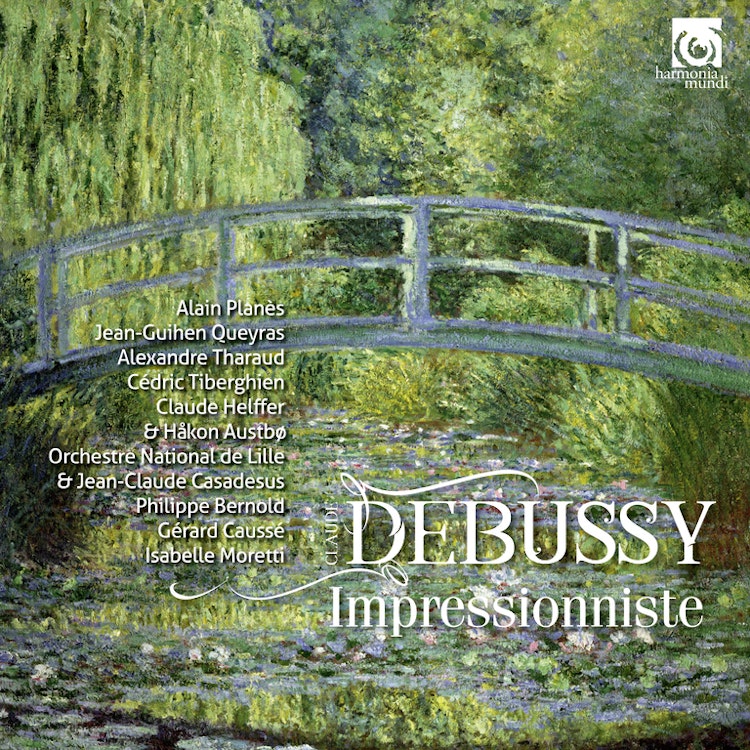
Debussy's 'Reflets dans l'eau' was conceived 'according to the most recent discoveries in harmonic chemistry,' echoing Claude Monet's experiments in his 'Nymphéas' paintings.
Composer's Artistic Vision
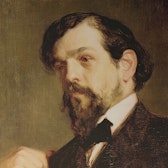
Claude Debussy, the composer of the works on this album, regretted not having trained as a painter rather than a musician.
Composer's Artistic Vision
Debussy was influenced by the aesthetic of painter James McNeill Whistler, which shaped his three Nocturnes for orchestra.
Composer Biography
Debussy's time at the Villa Medici in Rome, after winning the prestigious Prix de Rome in 1884, opened up artistic horizons that nourished him throughout his life.
Composer's Artistic Vision
Debussy's 'La Mer' was subtitled 'Trois esquisses symphoniques' to emphasize its departure from classical symphonic forms and assert his unique aesthetic freedom.
Composer's Artistic Vision
Debussy's choice of titles for his works, such as 'Arabesques' and 'Images', often reflected his deep connection to the visual arts.
You might also enjoy...
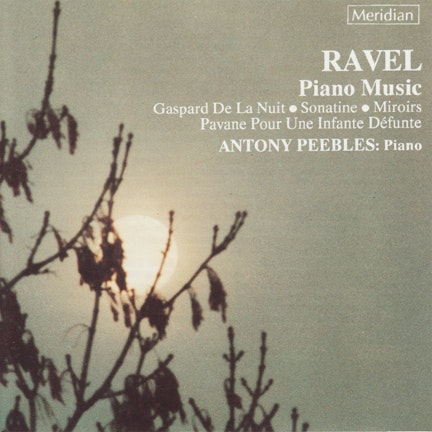
Ravel: Piano Music
Debussy: Préludes Book 1; Children's Corner
Debussy: L'isle joyeuse, Images Book I, Etudes Book II & Estampes
Debussy: Works for Piano
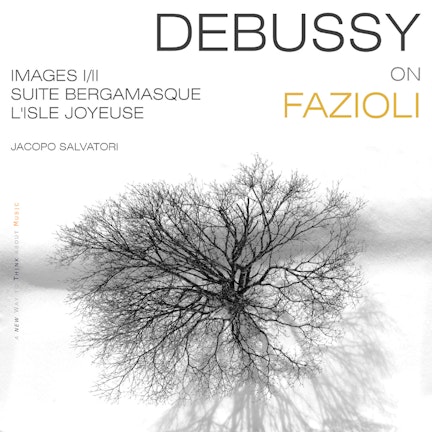
Debussy: Images I-II, Suite bergamasque & L'isle joyeuse
debussy integrale inachevee
Debussy: Piano Music, Vol. 3
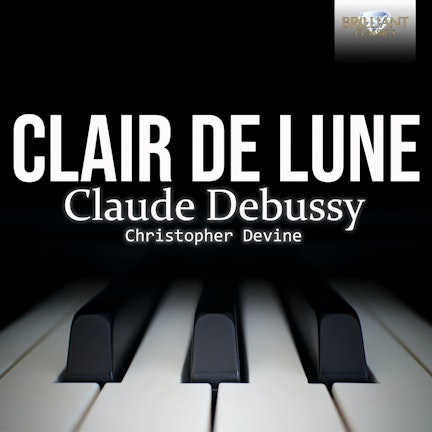
Claude Debussy: Claire de Lune
Clair de lune
Debussy: Préludes Book 1 / Children's Corner
Debussy: Piano Works, Vol. 2 – Estampes, Children's Corner, Pour le piano & Other Pieces