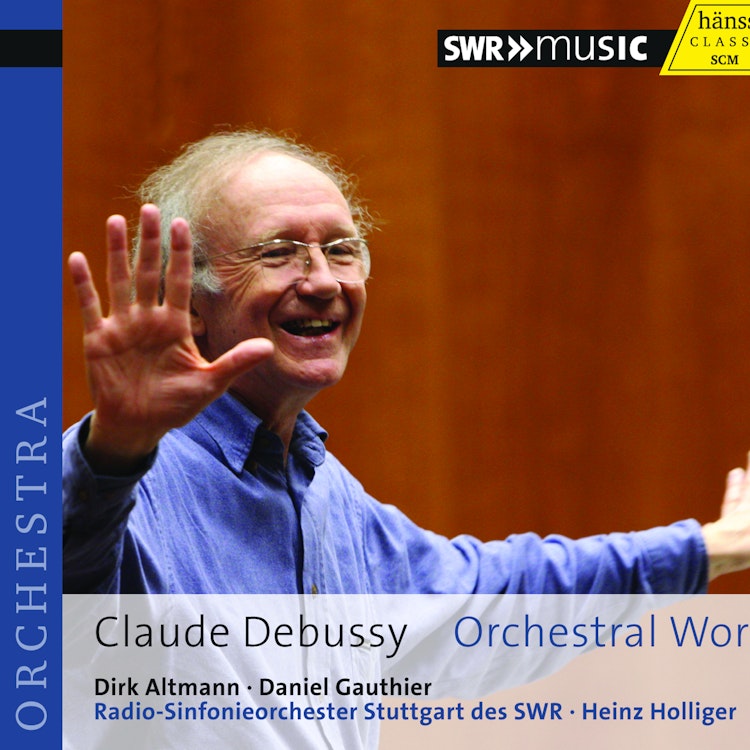
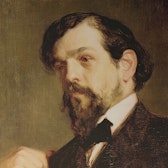
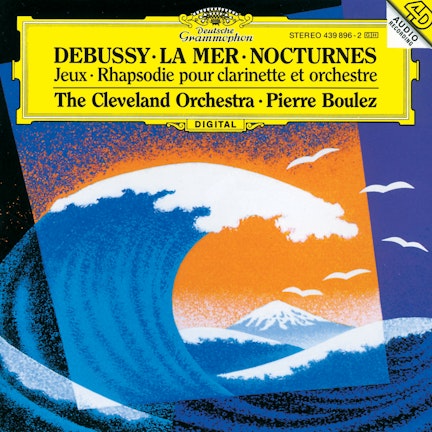
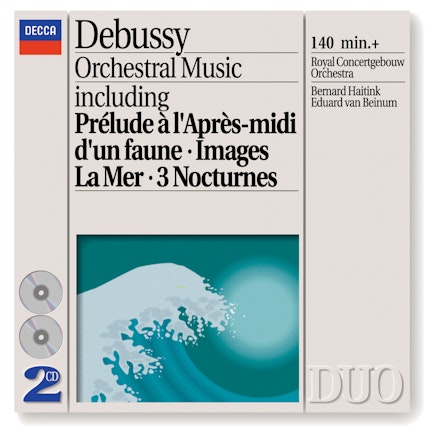
The Rapsodie pour orchestre et saxophone was commissioned by Elisa Hall, the founder of the Boston Orchestral Club, who took up the alto saxophone for her respiratory health.
Composer Biography
Debussy created a literary character named Monsieur Croche, an "anti-dilettante," through whom he initially expressed his critical views on academic traditionalism in various journals and magazines.
Composer's Artistic Vision
Claude Debussy believed that music should be freed from academic bombast and excessive complication, stating that "Complication carried to the extreme is the opposite of art."
Compositional Technique
Debussy's Images pour orchestre, particularly Ibéria, were conceived as a 'series of images' that shifted from an initial two-piano concept to an orchestral work, reflecting his mental 'trip' to the Iberian peninsula.
Critical Reception
Camille Saint-Saëns, a contemporary composer, criticized Debussy's Prélude à L'après-midi d'un faune, claiming it lacked any "expressly musical idea" and cultivated "the lack of style, logic and good judgment."
Interpretation
André Caplet, Debussy's close friend and conductor, performed the Images in a specific order (Rondes de Printemps, Gigues, Ibéria) on March 18, 1922, which is the order used in this recording.
Composition History
Debussy was a slow worker on the Rapsodie pour orchestre et saxophone, taking nearly two decades to complete it, with Jean Roger-Ducasse finishing and orchestrating it after Debussy's death.
You might also enjoy...
Debussy: Images pour orchestre & Danses
Debussy, Ravel: Nocturnes, La Mer, Rapsodie espagnole
Debussy: Nocturnes; Première Rhapsodie; Jeux; La Mer
Debussy: Orchestral Works, Vol. 3
Debussy: Prelude a l'apres-midi d'une faune - Danse sacree & Danse profane - Premiere rhapsodie - Fantaisie pour piano et orchestre
Debussy: Nocturnes
Debussy: La damoiselle élue. Poème Lyrique, L.62; Prélude à l'après-midi d'un faune, L.86; Images For Orchestra - 2. Ibéria, L.122
Debussy: La mer, L. 109; Prélude à l'après-midi d'un faune, L. 86; & Danses sacrée et profane, L. 103
Debussy: La Damoiselle élue, Le martyre de Saint Sébastien & Nocturnes