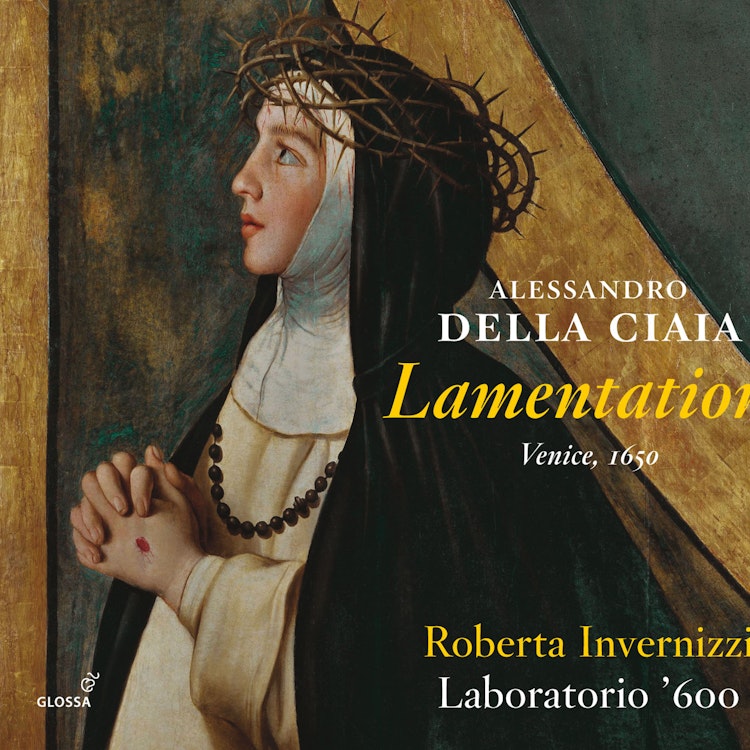
Della Ciaia's Lamentations require a singer with a two-octave range, dramatic ability, and technical skill for dazzling melismas and trills, demanding a flexible approach to rhythm and tempo.
Historical Context
Music flourished in Sienese convents during the 17th century, supported by archbishops who did not impose the same restrictions on talented cloistered women as their colleagues in other Italian cities.
Composer's Artistic Vision
Della Ciaia likely found the Lamentations appropriate for nuns because convents were seen as a 'new Jerusalem' and women were traditionally associated with singing laments for the dead.
Compositional Technique
Della Ciaia uses sudden harmonic changes, chromatic alterations, and dissonances to express pain, suffering, and transformation in his Lamentations.
Composition History
Della Ciaia's Lamentationi were composed to accommodate the vocal range of nuns, as they were intended for performance in convents.
Composer Biography
Alessandro Della Ciaia, a Sienese nobleman, was a rich aristocrat who took his musical studies seriously and composed for friends or 'in the service of God'.
Instruments
The accompaniment for this recording features archlute, lute, theorbo, and organ, reflecting Della Ciaia's expertise with plucked string instruments and the documented presence of organists and lutenists in Sienese convents.
You might also enjoy...
Lute Works
Robin Is To The Greenwood Gone - Elizabethan Lute Music