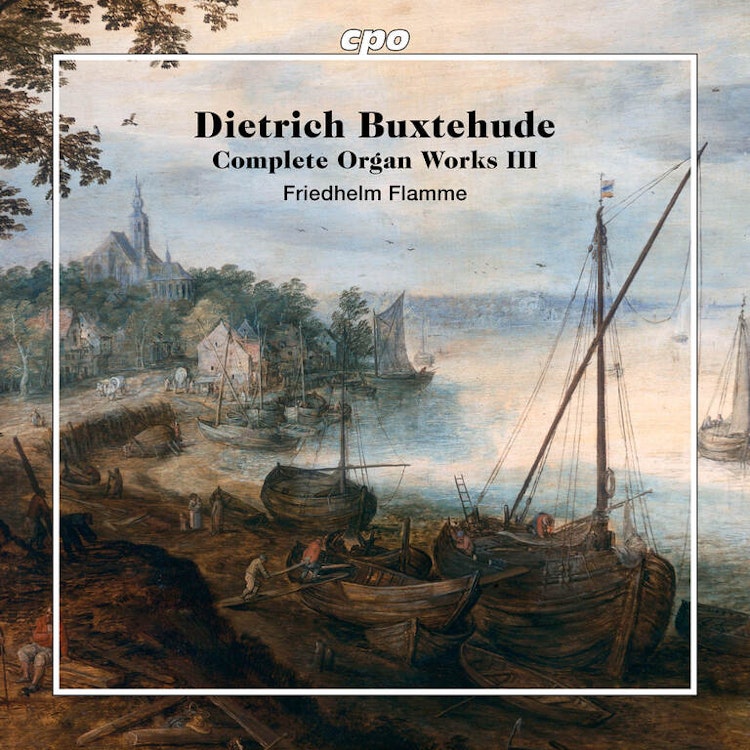
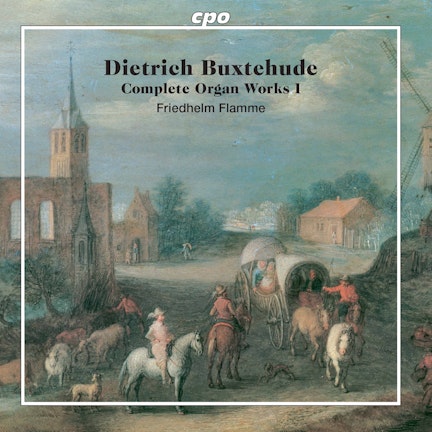
Dietrich Buxtehude, an organist from Oldesloe, was born in Helsingborg, then a Danish city, around 1637.
Composer Biography
Buxtehude succeeded Franz Tunder as organist at St. Mary's Church in Lübeck in 1668 and married Tunder's daughter, Anna Margaretha.
Instruments
The Treutmann organ's sound is unique due to its North and Central German elements, especially its two lower Viola da Gamba voices (16' and 8') from Silesian and Bohemian organ building.
Instruments
The Treutmann organ in Grauhof, built between 1734 and 1737, is one of the most important instruments in Central Germany and is still mostly intact today.
Composer Biography
Johann Sebastian Bach walked from Arnstadt to Lübeck in 1705, likely to participate in Buxtehude's 'extraordinary' funeral and festive music performances.
Recording & Production
The Treutmann organ was chosen for this recording of Dietrich Buxtehude's works because of its rich color spectrum and high proportion of historical substance.
Instruments
The Treutmann organ's complicated action, connecting manuals with sliding and pin couplers, was a great innovation at the time of its completion in 1737.