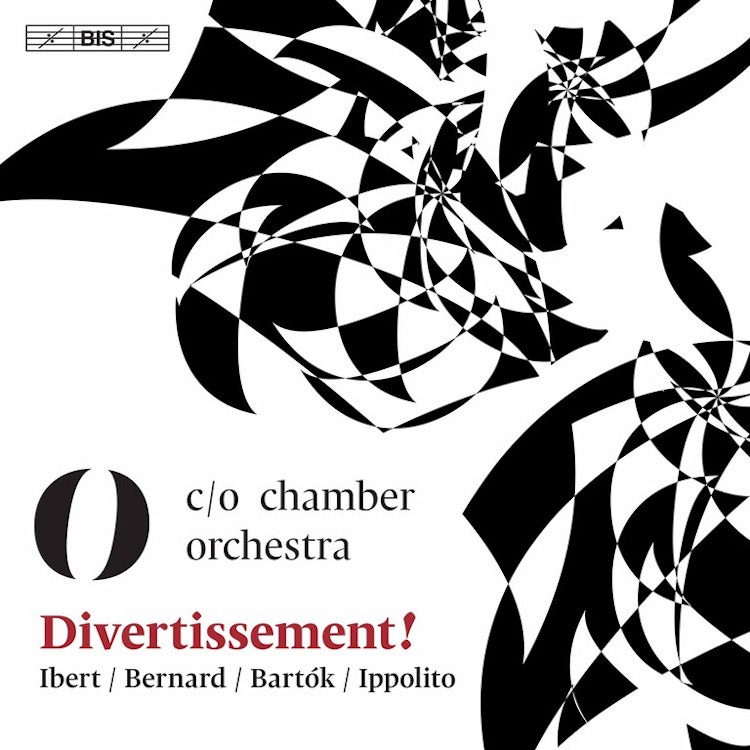
Jacques Ibert's Divertissement was originally composed in 1929 as incidental music for a comic play called 'The Italian Straw Hat' before being reconceived as a concert piece.
Composition History
Béla Bartók composed his 25-minute Divertimento for string orchestra in only fifteen days in the summer of 1939, commissioned by Paul Sacher.
Compositional Technique
Ibert's Divertissement includes a 'Cortège' movement that starts solemnly like a funeral procession but turns into a boisterous galop, twice interrupted by Mendelssohn's Wedding March.
Historical Context
Bartók's Divertimento was composed in the summer of 1939, with a world war looming, and it was his final composition before emigrating to the United States.
Composer's Artistic Vision
The term 'divertimento' implies light entertainment music, but many well-known examples, like those by Mozart and Schubert, are ambitious and profound works.
Recording & Production
The c/o chamber orchestra works without a conductor, taking its name from the idea of stewardship and responsibility, where musicians collaborate to bring the music to life.
Compositional Technique
Émile Bernard's Divertissement, scored for a double wind quintet, has almost symphonic ambitions despite its modest title and scoring, combining the traditional slow movement and finale into three movements.
You might also enjoy...
Du Temps & De L'Instant
Ravel / Barnes / Tournier : Harp Music
Trionfi! A Florentine Festival
Praetorius: Missa in Festo Sanctissimae Trinitatis
Vasilenko: Complete Music for Viola and Piano
Frankel: Music for the Movies
20th Century String Music
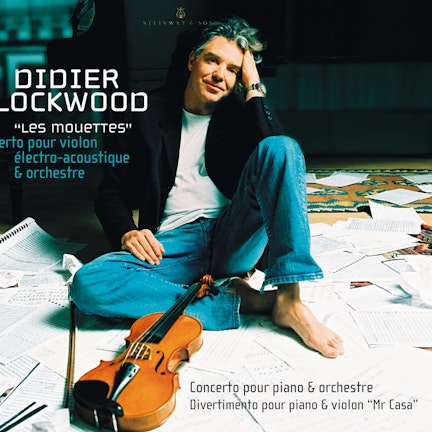
Lockwood: Les mouettes, Concerto pour piano et orchestre, Divertimento pour piano et violon "Mr. Casa"
Robinovitch: Klezmer Suite
Gottfried August Homilius: Musik an der Dresdner Frauenkirche. Jubiläumsedition
Music at the Frauenkirche Dresden (Anniversary Edition)
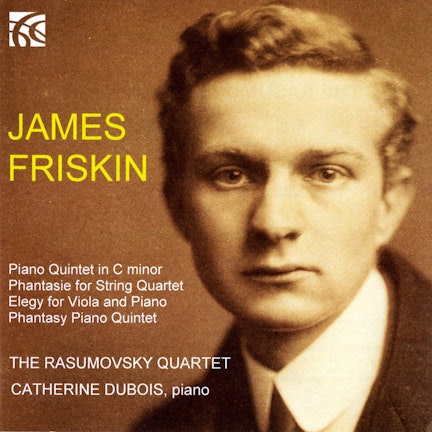
Friskin: Chamber Music
Voormolen: Baron Hop Suites Nos. 1 and 2 / Concerto for 2 Oboes / Eline
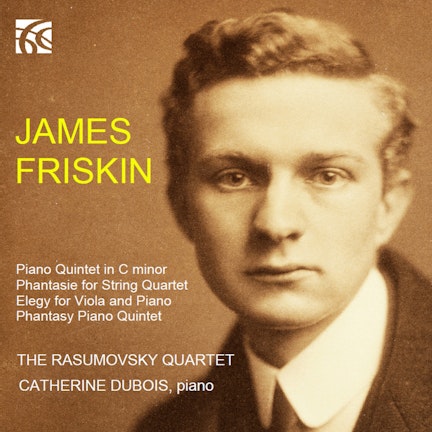
Friskin: Piano Quintet in C minor, Phantasie for String Quartet, Elegy for Viola & Piano, Phantasy Piano Quintet