The melancholy humor, a characteristic Dowland enjoyed, is evident in pieces like Lachrimae, Forlone Hope Fantasie, and Semper Dowland, Semper Dolens, which translates to 'Dowland is always melancholy'.
Interpretation
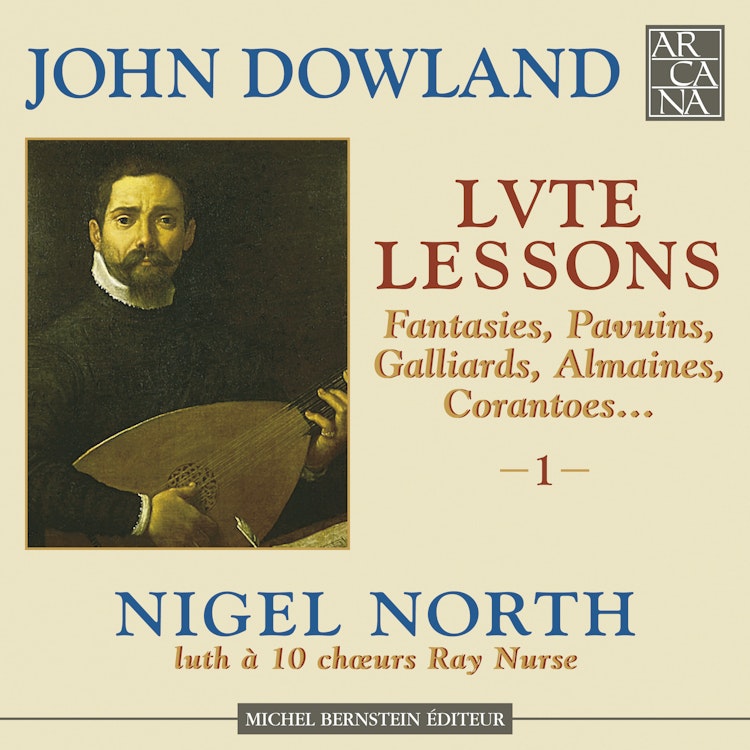
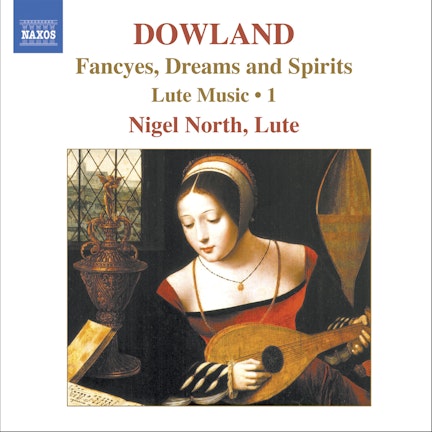
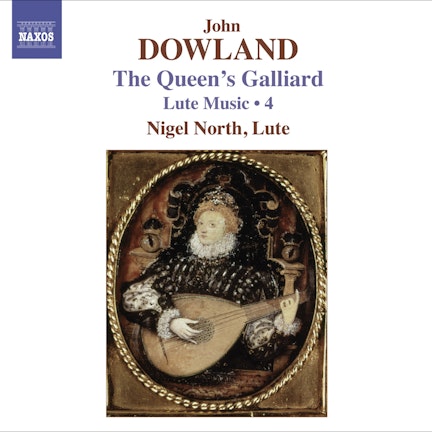
Nigel North, the performer, chose to use a 9 or 10-course lute and a later right-hand technique to achieve a sound world closer to what Dowland might have known in the early 17th century.
Composer Biography
John Dowland (1563-1626) was considered the greatest lutenist of his time, whose compositions and playing captivated his contemporaries.
Compositional Technique
Dowland's solo lute music is categorized into three forms: dances (Pavan, Galliard, Almain, etc.), contrapuntal pieces (Fantasies, Preludium), and ballad tunes with variations.
Composer's Artistic Vision
Dowland's music is characterized by a brilliant combination of wonderful melodies and exquisite counterpoint, all beautifully expressed on the lute.
Composition History
Dowland's solo lute music was a living art form, constantly evolving through his own performances and those of his contemporaries, with pieces often existing in multiple versions.
Instruments
Dowland's playing technique and the type of lute he used changed over his career, moving from a 6-course lute with a muffled sound to a 9 or 10-course instrument with a brighter, stronger sound.
You might also enjoy...
Lassus: Io ti vorria contar... Transcriptions for Lute