In Dowland's era, artists like him were considered artisans or servants, with their work primarily serving to glorify the name of their patrons.
Composition History
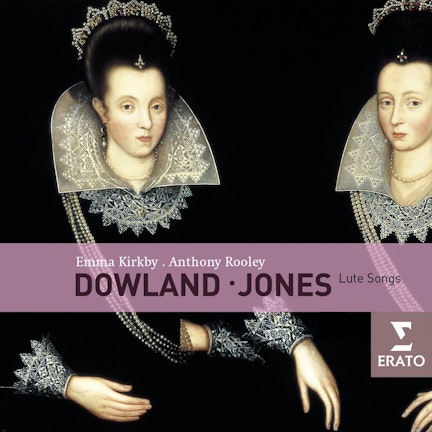
Dowland dedicated his great Second Booke of Songes of 1600 to Lucy, Countess of Bedford, who was a central figure in a circle of brilliant artists.
Performer Biography
Emma Kirkby, the singer on this album, did not initially intend to become a professional singer, having studied classics at Oxford and worked as a schoolteacher.
Composition History
Queen Elizabeth I never granted Dowland the position he desired, as she found him more valuable abroad as her musical ambassador and an intelligence gatherer against 'popish plots.'
Composer's Artistic Vision
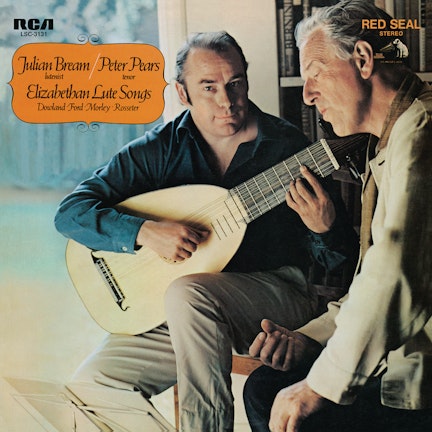
Dowland's relationship with his lute was described as a 'perfect love match,' where each joyfully treasured and served the other, embodying the idea that 'mastery is the opposite of control.'
Composer Biography
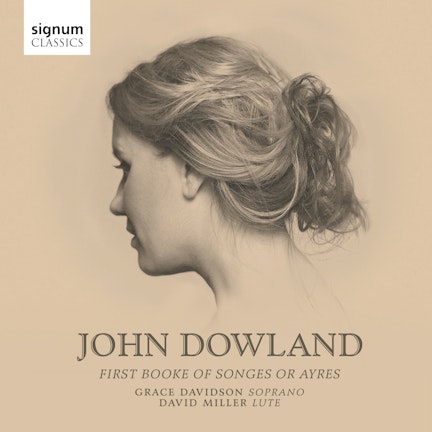
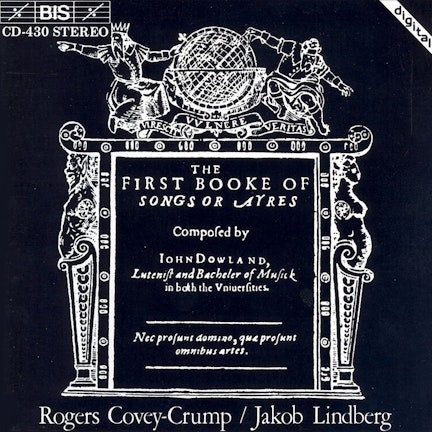
John Dowland, a master lutenist, was known throughout Europe as 'der englische Orpheus' (the English Orpheus) for his virtuosity and ability to heal the soul with his music.
Recording & Production
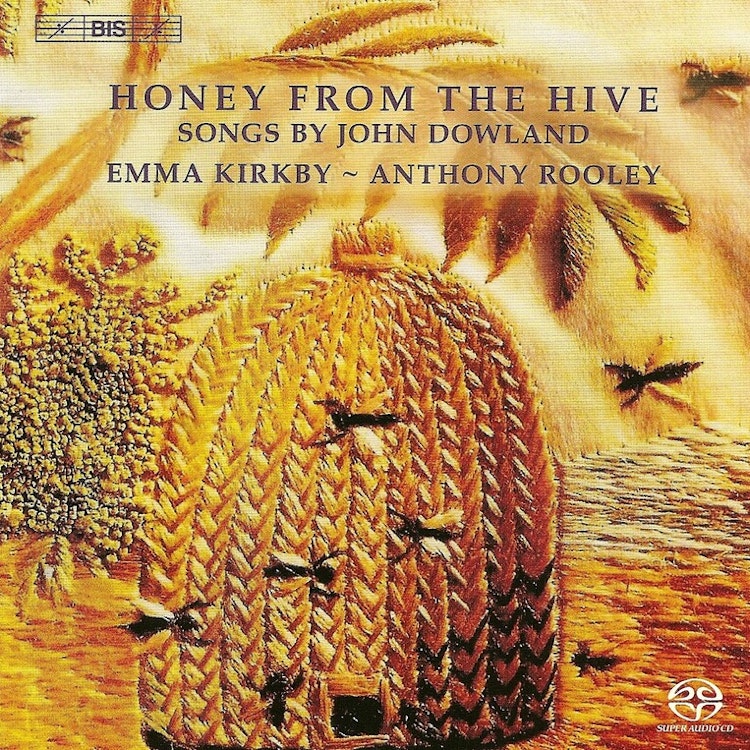
This album was recorded in Länna church, Sweden, chosen for its acoustics and the surrounding silence, which are described as 'like velvet.'