Dum clamaren: Dolore e speranza nel Canto Gregoriano
5/6/2014, 19 Tracks, 1:09:16
Featuring
Nino Albarosa
Coro Gregoriano Mediæ Ætatis Sodalicium
Anonymous
Did you know?
1/7
Recording & Production
This recording was made possible by the sensitive awareness and full support of FENIARCO (Italian National Federation of Regional Choral Associations) and USCI Friuli Venezia Giulia (Union of Choral Societies from Friuli Venezia Giulia).
Performer Biography
The Gregorian Choir Mediæ Ætatis Sodalicium, founded in 1991, consists solely of female voices and has won first prizes in international competitions.
Performer Biography
Nino Albarosa, the conductor, is a distinguished scholar of Gregorian chant and semiology, having taught at several universities and the Pontifical Institute of Sacred Music in Rome.
Interpretation
The choir's performance style is inspired by Dom Eugène Cardine, a Gregorian master from Solesmes Abbey who developed 'Gregorian Semiology' for interpreting ancient Gregorian notation.
Performer Biography
Nino Albarosa was awarded an Honoris Causa degree in Sacred Music in 2008 at the Pontifical Institute of Sacred Music in Rome.
Composer's Artistic Vision
Gregorian chant is deeply linked to the nature of its text, and understanding the text is crucial for appreciating the composition's character.
Recording & Production
The album is dedicated to the memory of Maria, the choir director's wife, who significantly contributed to the development of the International Association of the Studies of Gregorian Chant.
You might also enjoy...
The Cherry Tree: Songs, Carols & Ballads for Christmas
Universi Populi / Chants sacrés à Prague du XIIème au XVème siècle
Miracula: Medieval Music for Saint Nicholas
Binchois: L'argument de beauté
Barlaam & Josaphat: Buddha, a Christian Saint?
Vocal Ensemble Music - Seized By Sweet Desire - Singing Nuns and Ladies, From the Cathedral To the Bed Chamber
Rose tres bele: Chansons & polyphonies des Dames trouvères
Swithun!
Antonio Vivaldi & Johann Sebastian Bach: Marimbach & Vibravaldi - A New Sound of Old Music
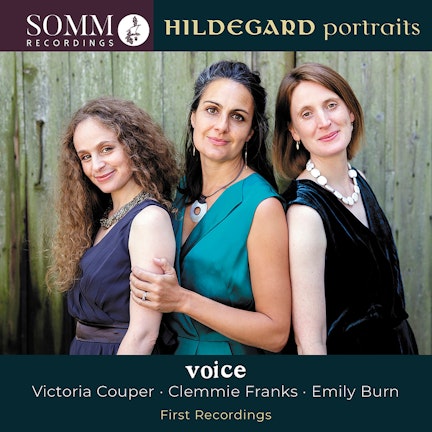
Hildegard Portraits
La vision de Tondal
Crossing the Channel (Music from Medieval France and England, 10th-13th century)