Poulenc sought formal teaching from Charles Koechlin to progress to longer and more serious works, which decisively influenced his choral music.
Compositional Technique
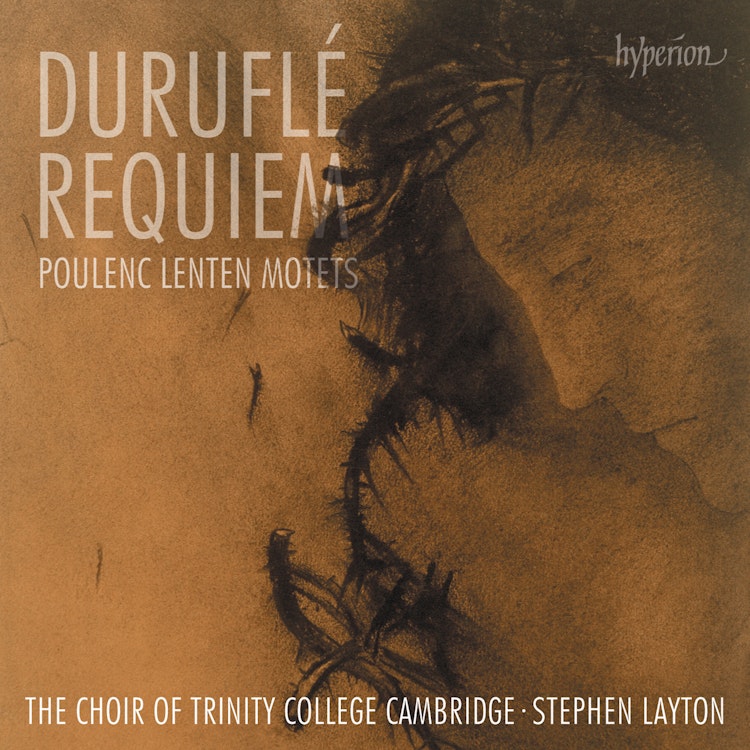
Duruflé made three versions of his Requiem: for organ and large orchestra (1947), for organ (1948), and for organ and small orchestra (1961).
Compositional Technique
Duruflé's Requiem incorporates plainsong melodies, developing them according to his own inspiration and using modern harmonies that go beyond Fauré's.
Composer Biography
Maurice Duruflé's father, an architect, mentioned his son's organist position to Maurice Emmanuel, a professor at the Paris Conservatoire, leading to Duruflé's musical education.
Composition History
The Vichy government commissioned Duruflé to write a symphonic poem in 1941, but he later persuaded the post-war government to accept his completed Requiem instead.
Composer Biography
Francis Poulenc's four penitential motets were influenced by the death of his colleague Pierre-Octave Ferroud in a car accident and the worsening political situation before World War II.
Composition History
Duruflé's Requiem was initially conceived as an organ suite on plainsong themes, but he realized the music was inseparable from the texts.
You might also enjoy...
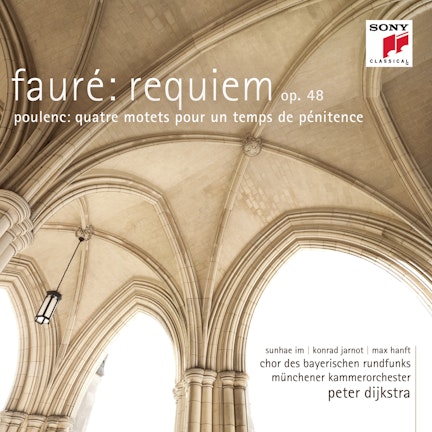
Fauré: Requiem op. 48/Poulenc: Quatre motets pour un temps de pénitence
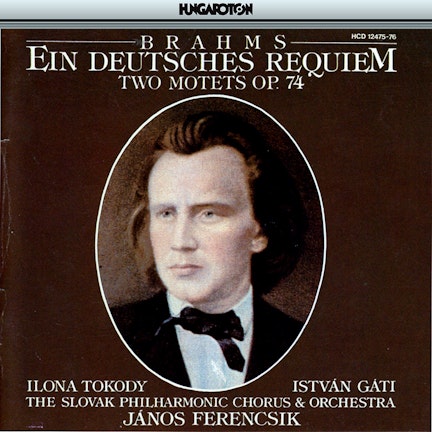
Brahms: Deutsches Requiem (Ein) / 2 Motets
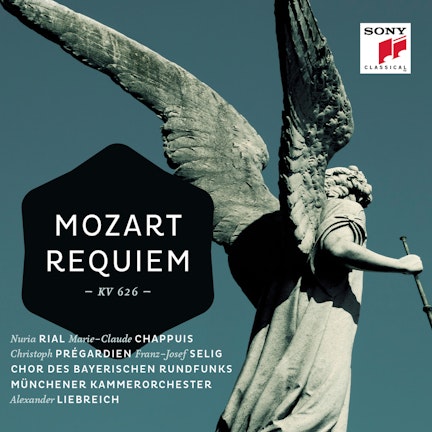
Mozart: Requiem, K. 626 & Ave verum corpus, K. 618
Poulenc: Choral Music
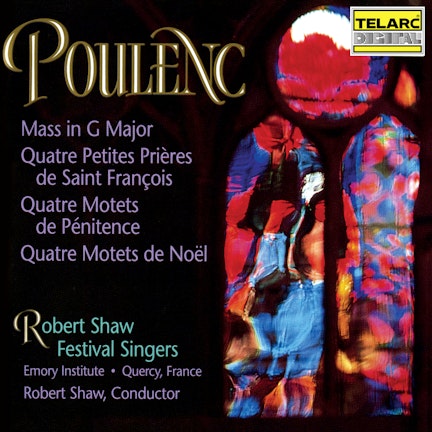
Poulenc: Mass in G Major, Motets for Christmas and Lent & Four Short Prayers of Saint Francis
Liberte
Puccini: Requiem / Janacek: Mass in E flat
Duruflé: Complete Choral Works
Requiem
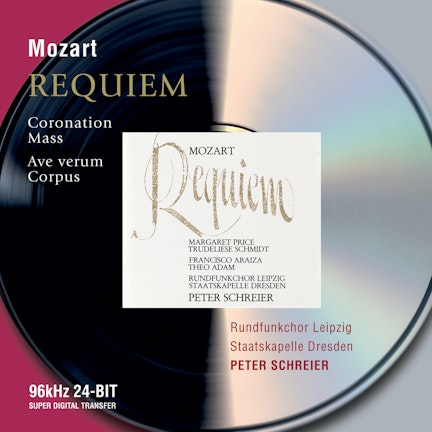
Mozart: Requiem; Coronation Mass; Ave Verum Corpus