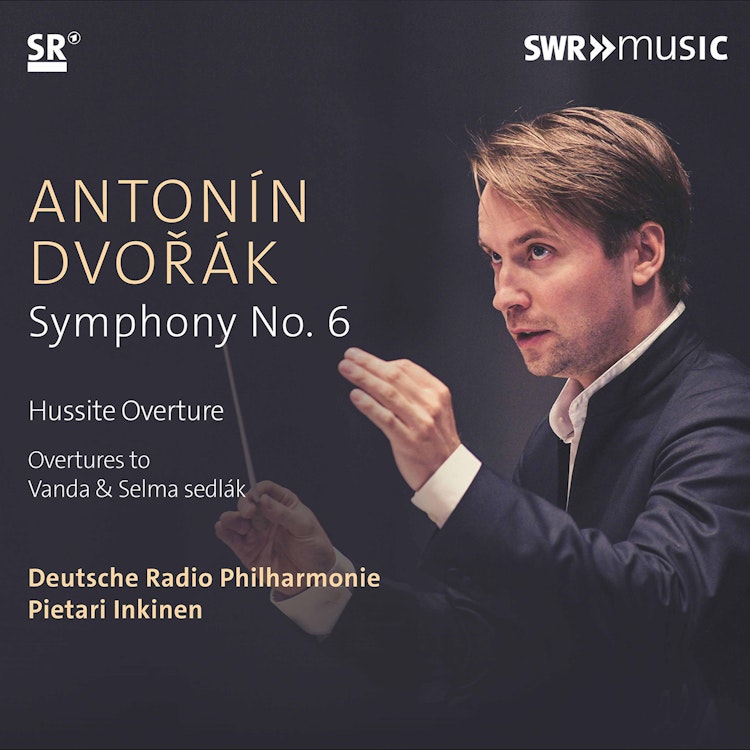
Dvořák’s Symphony No. 6 in D major, written in 1880, was a major work for the Czech composer and one of his first to make a big impact internationally. As part of the fifth volume in a Dvořák symphony cycle, it is presented here alongside his “Hussite” concert overture and the overtures to his operas Vanda and Selma Sedlák. The Deutsche Radio Philharmonie is conducted by rising star Pietari Inkinen.
Featuring
Pietari Inkinen
Deutsche Radio Philharmonie Saarbrücken Kaiserslautern
Antonín Dvořák
Did you know?
1/7
Critical Reception
Dvořák's opera Vanda, despite its libretto's shortcomings and technical difficulties, was a roaring success at its 1876 premiere, though it was rarely performed after 1880.
Composer's Artistic Vision
Dvořák, though not a nationalist, knew that any international success for his music was a success for Czech music, and he demonstrated his patriotism more openly abroad than at home.
Performer Biography
Pietari Inkinen, the chief conductor of the Deutsche Radio Philharmonie, is also the chief conductor of the Japan Philharmonic Orchestra and the Prague Symphony Orchestra.
Compositional Technique
The main theme of the first movement of Dvořák's Sixth Symphony is based on a Bohemian folk song, and the third movement features a furiant, a lively Bohemian dance, as its scherzo.
Historical Context
The Hussite Overture was premiered at the re-opening of the Prague National Theatre in 1883, two years after it had been destroyed by fire.
Composer Biography
Composer Antonín Dvořák's life changed completely in 1877 after Johannes Brahms recommended him to the influential publisher Fritz Simrock.
Composition History
Dvořák's Sixth Symphony was dedicated to conductor Hans Richter, who was supposed to premiere it with the Vienna Philharmonic, but the premiere was cancelled due to suspected anti-Czech sentiments.
You might also enjoy...
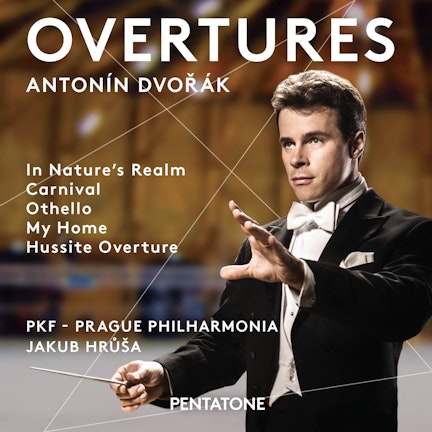
Dvorak: Rhapsody Op. 14 / Overtures
DVORAK: Rhapsody Op. 14 / Overtures
Dvorak: Overtures
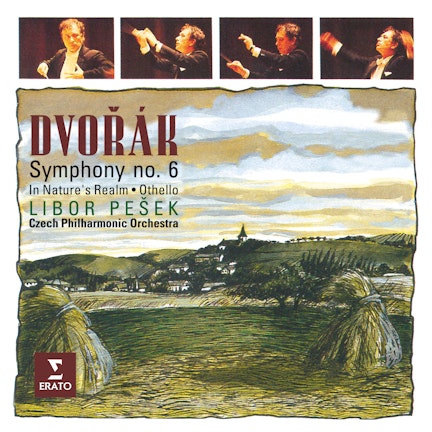
Dvořák: Symphony No. 6, In Nature's Realm & Othello
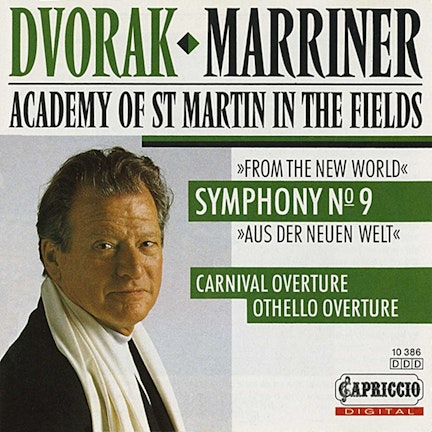
Dvorak: Symphony No. 9 - Overtures
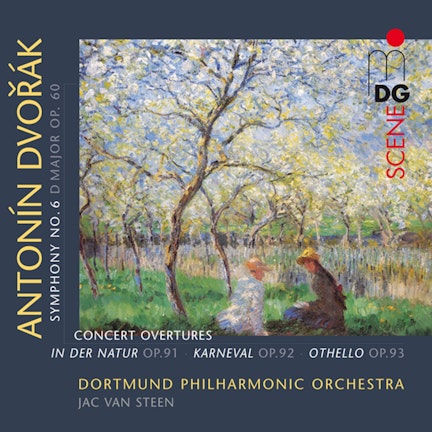
Dvorák: Symphony No. 6
Dvorak, A.: Carnival / Othello / the Water Goblin / Overture To Dimitrij
Smetana: The Moldau - Dvořák: Czech Suite & Nature, Life, Love
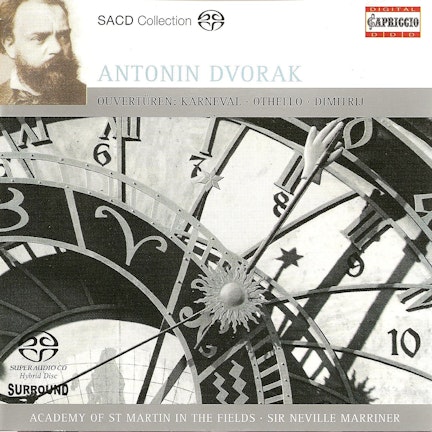
Dvořák: Overtures
Dvorák: Czech Suite, Op. 39 & Overtures
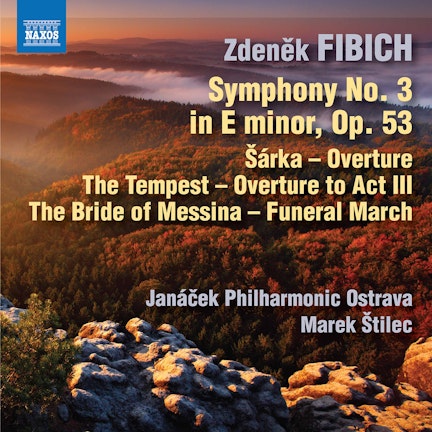
Fibich: Orchestral Works
Dvorak: American Suite, Czech Suite; Overtures and Tone Poems