Dvořák's Silhouettes for piano, written in 1879, recycled ideas from his First Symphony, which was composed in 1865 but remained unpublished until 1923.
Critical Reception
Johannes Brahms, a friend and respected colleague of Dvořák, recognized the appeal of Dvořák's Ninth Symphony, stating, 'it is so unspeakably gifted, so healthy, that one must rejoice in it.'
Composer Biography
Dvořák's father, a butcher and innkeeper, initially resisted his son's musical career choice, leading Dvořák to train as a church organist for security.
Performer Biography
Zsigmond Szathmáry, the organist on this recording, was born in Hungary in 1939 and won first prize at the Budapest Organ Competition in 1960.
Composer Biography
Antonín Dvořák, despite his limited organ output, received his musical training at the Prague Organ School.
Composer's Artistic Vision
Dvořák admired Mozart, Beethoven, and Schubert most among composers, describing Mozart as 'sunshine'.
Historical Context
The wave of nationalism sweeping over Europe, particularly the Habsburg empire, indirectly provided Dvořák with income and led to him being labeled a Czech composer.
You might also enjoy...
Blarr, O.G.: Organ Music, Vol. 3 - Healing Water / Der Lobende / Holy Tango Ii
Leighton: Missa de Gloria - Et Resurrexit - Hymn Fantasies
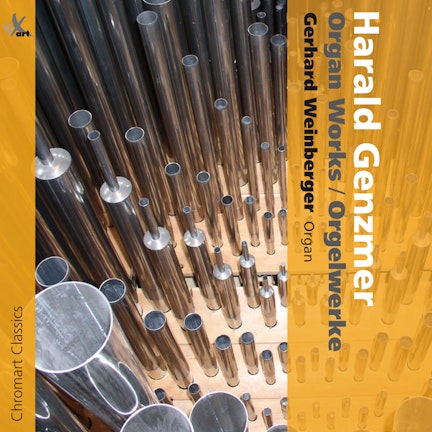
Genzmer: Organ Works
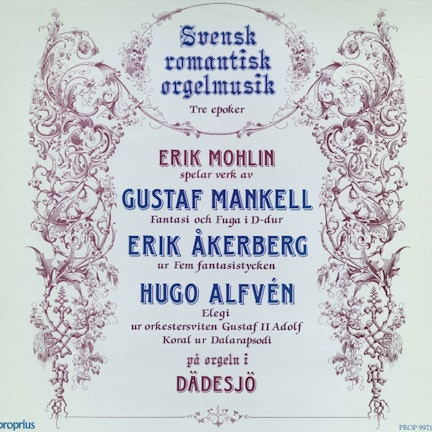
Svensk romantisk orgelmusik
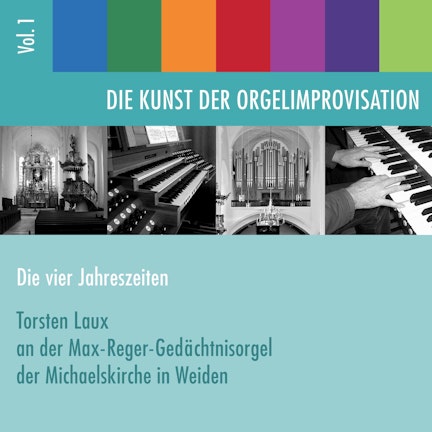
Die Kunst der Orgelimprovsation, Vol. 1
Sea Dream (Carson Cooman Organ Music, Vol. 9)
Stockmeier: Organ Sonatas Nos. 3 & 5-8
Robin, J.-B.: Organ Music
Orgelimprovisationen, Vol. 3: Passion
Caudana: Concentus ecclesiae, Vol. 1 — Composizioni per organo
Die Kunst der Orgelimprovsation, Vol. 3
Portals: Music for Organ, Vol. 11
Pastorali Italiane, Vol. 3: XX secolo
Rachmaninoff: Transcriptions and Arrangements for Organ