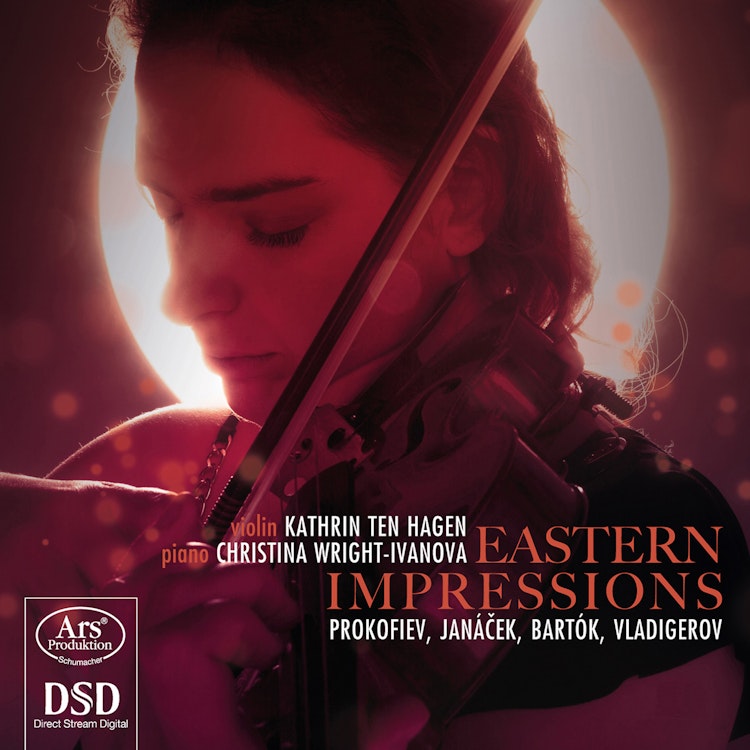
Prokofiev's Violin Sonata No. 2, Op. 94bis, was originally a sonata for flute and piano written in 1942, and was rearranged for violin at the suggestion of David Oistrakh.
Composer's Artistic Vision
Béla Bartók and Zoltán Kodály, a fellow composer, dedicated themselves to collecting and scientifically studying folk music and dances from Hungary, Southeast Europe, and North Africa.
Compositional Technique
The works on this album incorporate various dance forms, such as the Scherzo in Prokofiev's Sonata, the Lassú and Friss parts in Bartók's Rhapsody, and the 5/16 structure in Vladigerov's Rhapsody.
Composer's Artistic Vision
The composers on this album, including Bartók and Janáček, returned to the roots of their homelands, incorporating rhythmic dance forms and melodic motives from singing traditions into their music.
Compositional Technique
Both Bartók and Janáček incorporated the unique characteristics of their respective languages, Hungarian and Czech, into their music, transferring intonation, emphasis, and rhythm.
Composer's Artistic Vision
Leoš Janáček, like Bartók, was deeply involved in folk music research, working as a collector, researcher, and editor of Moravian-Slovakian traditional music since 1875.
Interpretation
For the recording of Pancho Vladigerov's Bulgarian Rhapsody "Vardar", the violinist had to tune the G string down a third to accommodate the work's expanded range.
You might also enjoy...
Lost American Violin Sonatas, Vol. 1
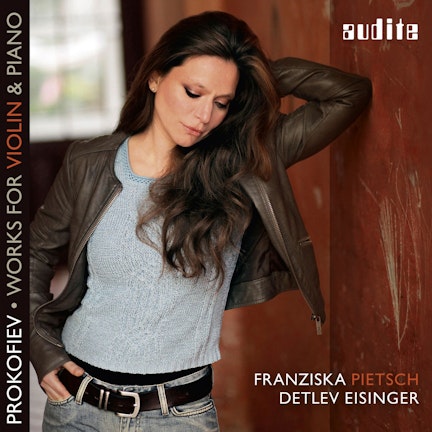
Prokofiev: Works for Violin & Piano
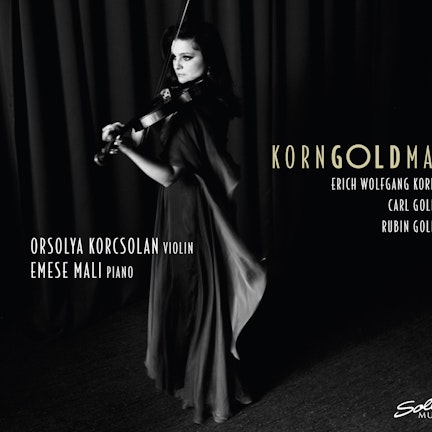
Korngoldmark – Korngold, R. Goldmark & K. Goldmark: Works for Violin and Piano