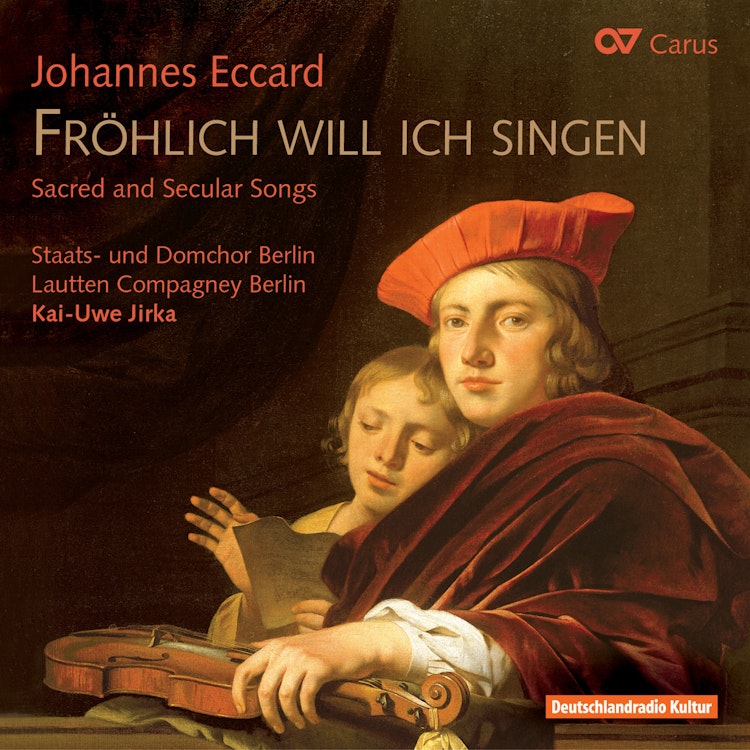
Several pieces on this album, including 'De profundis / Aus tiefer Not' and 'Schwerlangweilig,' are world premiere recordings.
Composer Biography
Johannes Eccard (1553-1611) was born in Mühlhausen, a city that had supported the introduction of the Reformation through figures like Thomas Müntzer and Philipp Melanchton.
Composer's Artistic Vision
Eccard's compositional approach, influenced by Orlando di Lasso, prioritized rendering the meaning of words precisely in music, using largely consonant harmony and a syllabic principle.
Compositional Technique
Eccard's music features a 'genus mixtum,' a blend of polyphonic and homophonic writing typical of Orlando di Lasso, though Eccard's works are dominated by chordal structures.
Historical Context
Martin Luther, a key figure in the Reformation, advocated for simple, clear, and appropriate expressions in church hymns to engage the congregation, a concept Eccard aligned with.
Cultural Impact
Even 400 years after his death, Johannes Eccard is remembered, with his settings of hymns like Luther's 'Ein feste Burg ist unser Gott' still found in Protestant hymnals.
Composer Biography
Eccard's artistic development was significantly shaped by his time as a singer in the Catholic Hofkapelle under the famous Orlando di Lasso in Munich.
You might also enjoy...
Johannes Eccard: Fröhlich will ich singen. Sacred and secular songs
Music from the Netherlands
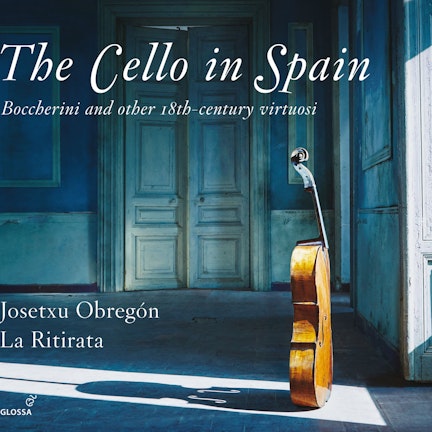
The Cello in Spain: Boccherini & Other 18th-Century Virtuosi
Le Concert Spirituel au temps de Louis XV
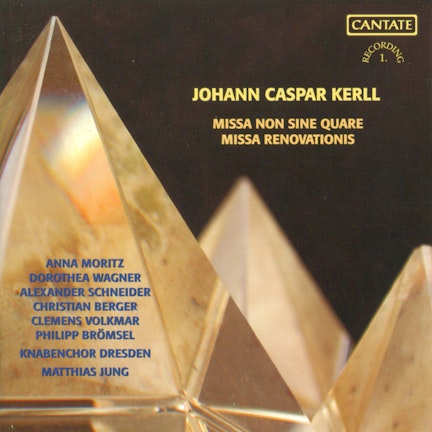
Kerll, J.C.: Missa Renovationis / Missa Non Sine Quare
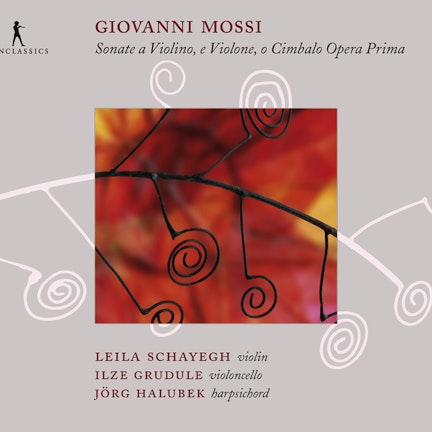
Mossi: Sonate Opera Prima a Violino e Violone, o Cimbalo
Symphonies pour les soupers du Roy
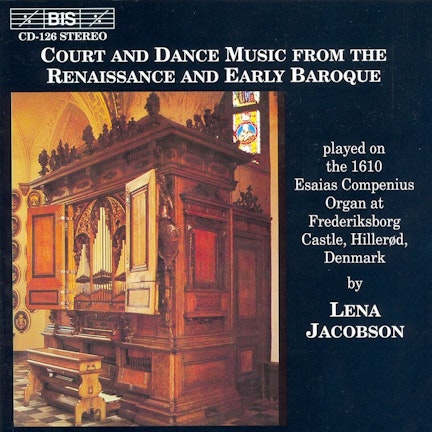
Court And Dance Music
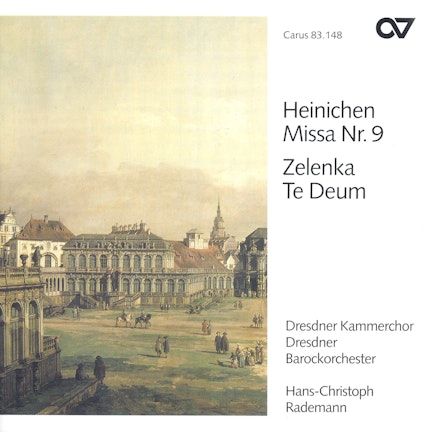
Heinichen: Missa Nr. 9; Zelenka: Te Deum
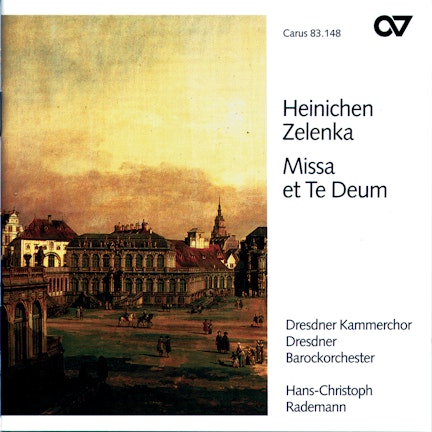
Zelenka, J.: Te Deum / Heinichen, J.: Missa No. 9
Biber : Various Works - APEX
Il Diario di Chiara: Music from La Pietà in Venice in the 18th century