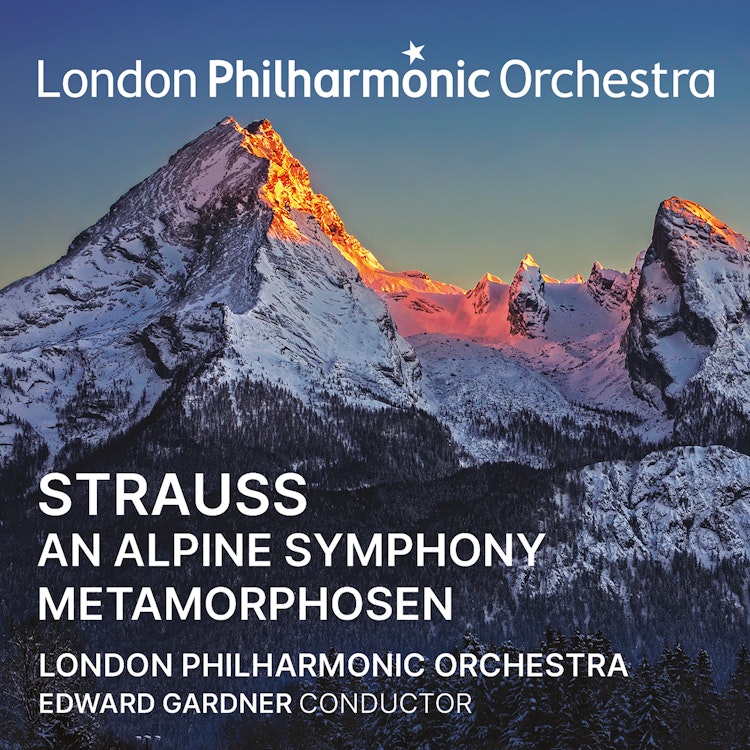
Edward Gardner conducts Strauss: An Alpine Symphony and Metamorphosen
6/26/2026, 23 Tracks, 1:17:46
Featuring
Edward Gardner
London Philharmonic Orchestra
Richard Strauss
Did you know?
1/7
Historical Context
Metamorphosen was composed in 1945 as a response to the devastation of German cities during World War II, particularly the bombing of opera houses in Munich, Weimar, Dresden, and Vienna.
Compositional Technique
An Alpine Symphony features a huge, color-enhanced orchestra, including distant hunting horns (Strauss asks for twelve), harps and celeste for a waterfall effect, and a wind machine and organ for the thunderstorm.
Performer Biography
Edward Gardner, the conductor on this album, has been Principal Conductor of the London Philharmonic Orchestra since 2021 and is also Music Director of the Norwegian Opera & Ballet.
Compositional Technique
In Metamorphosen, a theme Strauss titled 'Mourning for Munich' is transformed into the Funeral March theme from Beethoven's 'Eroica' Symphony, with Strauss writing 'In Memoriam!' in the score.
Composer's Artistic Vision
Strauss considered naming his Alpine Symphony "The Antichrist" because he saw the mountain ascent as a metaphor for moral purification and freedom through one's own strength, reflecting the philosophy of Friedrich Nietzsche.
Recording & Production
This album was recorded live at the Southbank Centre's Royal Festival Hall in London in January and February 2025.
Composition History
Richard Strauss's An Alpine Symphony was partly inspired by a boyhood climbing adventure in the Alps that went wrong, where he and his friends got lost in a terrifying storm.
You might also enjoy...
Schoenberg & R. Strauss - Orchestral Works
Richard Strauss: Ein Heldenleben, Op. 40 & Metamorphosen
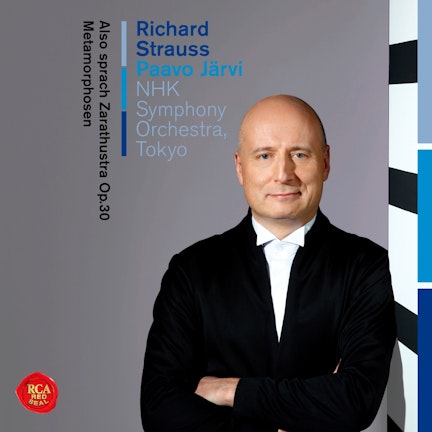
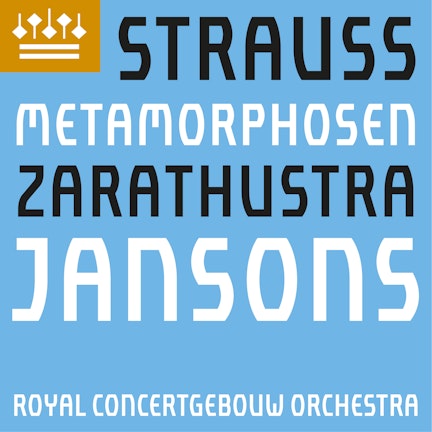
Richard Strauss: Also sprach Zarathustra | Metamorphosen
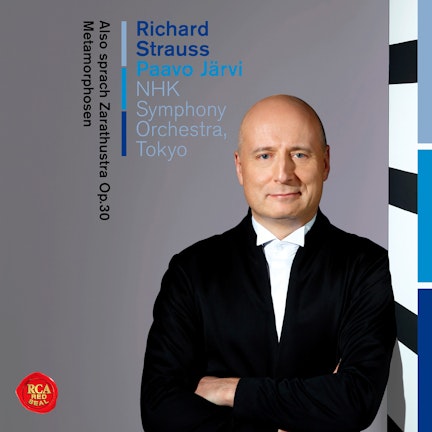
Richard Strauss: Also sprach Zarathustra | Metamorphosen
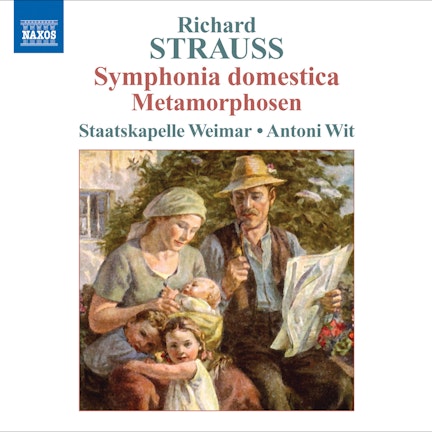
Strauss, R.: Symphonia Domestica / Metamorphosen
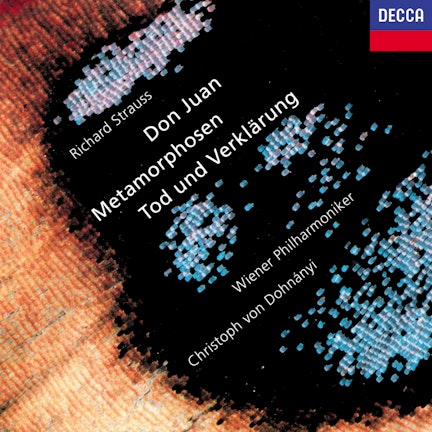
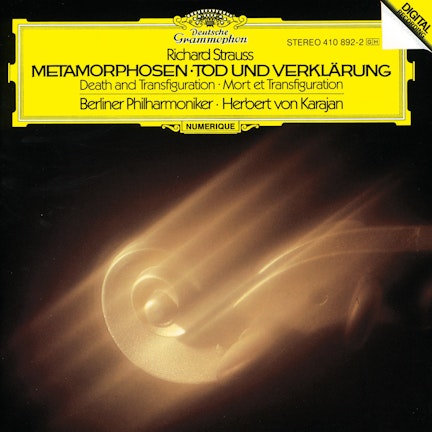
Richard Strauss: Don Juan; Metamorphosen; Tod und Verklärung
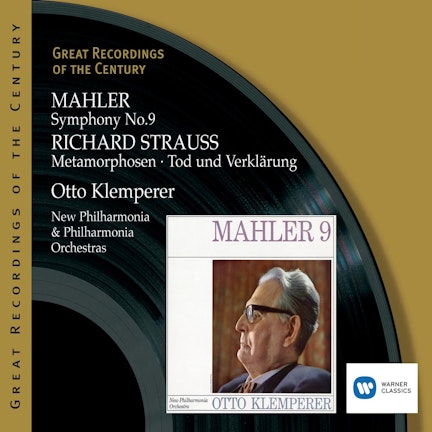
Mahler: Symphony No.9 & Richard Strauss: Metamorphosen -Tod und Verklärung