Antoni Wit, the conductor, studied conducting with Henryk Czyż and composition with Krzysztof Penderecki at the Academy of Music in Kraków, and also graduated in law.
Compositional Technique
Metamorphosen draws inspiration from Goethe and includes a clear reference to the Funeral March from Beethoven's Eroica Symphony, heard in the closing bars.
Compositional Technique
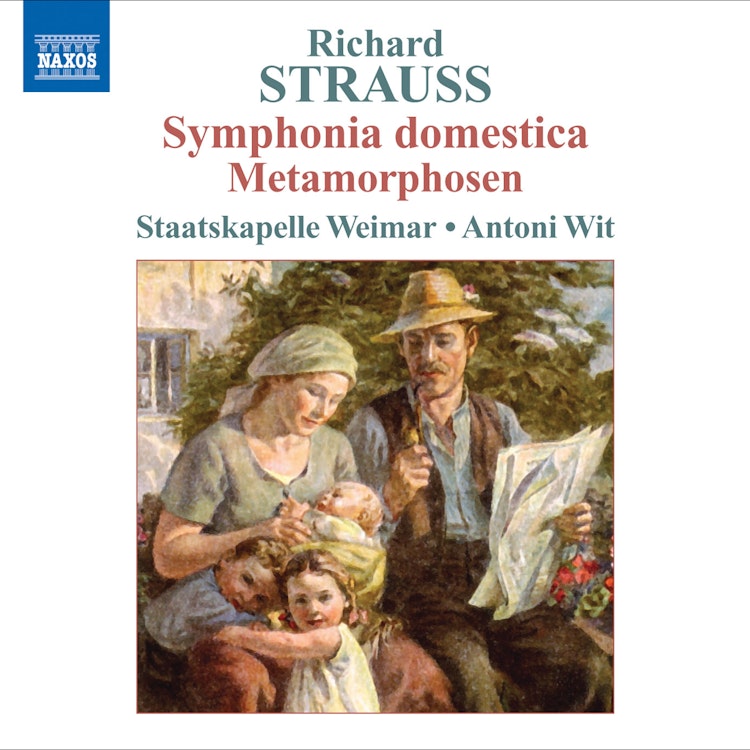
The Symphonia domestica uses musical motifs to represent different family members: Strauss himself as 'Papa', his wife Pauline, and their son, known as 'Bubi'.
Composition History
Richard Strauss's Symphonia domestica was dedicated to his son Franz and his wife Pauline, reflecting the delights and vicissitudes of their married life.
Composition History
Strauss's Metamorphosen, a study for 23 solo strings, was composed in 1945 during a period of great difficulty and moral suffering in Germany after World War II.
Performer Biography
The Staatskapelle Weimar, founded in 1491, is one of the world's oldest orchestras and has a history linked to premieres by composers like Wagner, Humperdinck, and Richard Strauss.
Composer Biography
Richard Strauss, the composer, was the son of a distinguished horn-player and had already achieved some success as a composer before leaving school in 1882.
You might also enjoy...
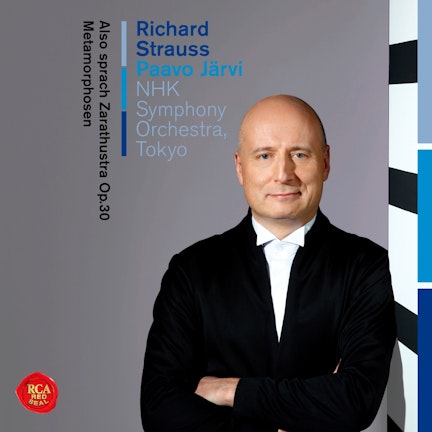
Richard Strauss: Also sprach Zarathustra | Metamorphosen
Schoenberg & R. Strauss - Orchestral Works
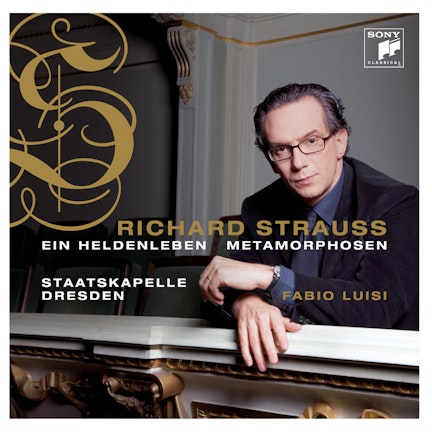
Richard Strauss: Ein Heldenleben, Op. 40 & Metamorphosen
Richard Strauss: Also sprach Zarathustra | Metamorphosen
Strauss: Also sprach Zarathustra & Metamorphosen
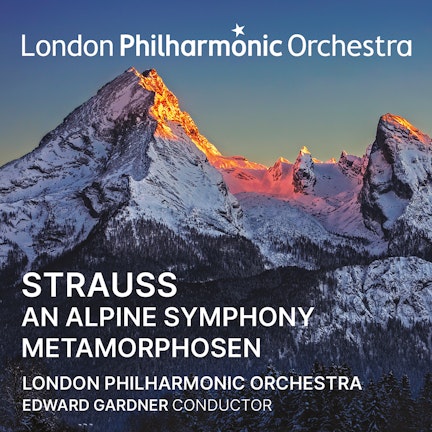
Edward Gardner conducts Strauss: An Alpine Symphony and Metamorphosen
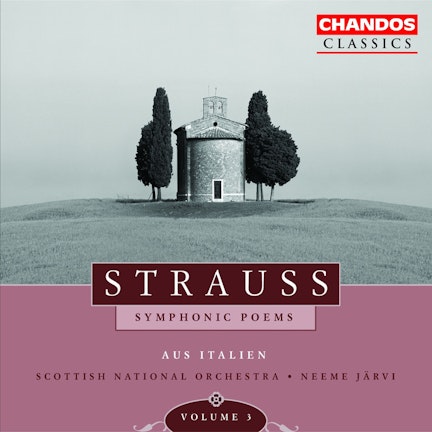
Strauss, R.: Aus Italien / Metamorphosen
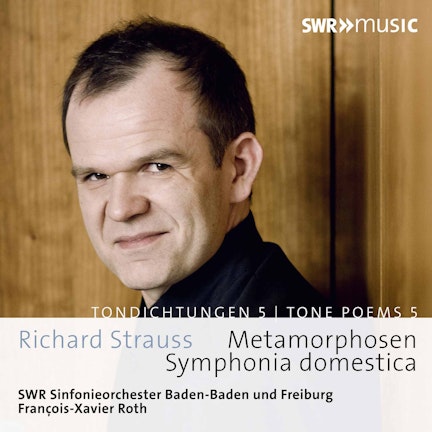
R. Strauss: Tone Poems, Vol. 5
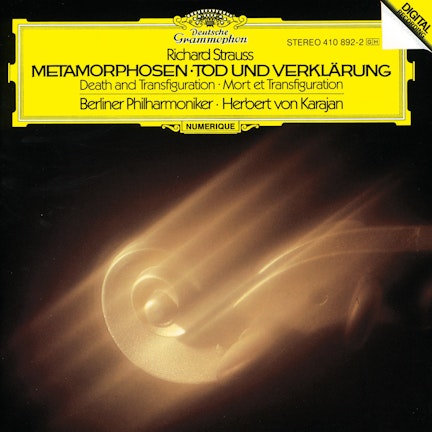
Strauss, R.: Metamorphosen; Tod und Verklärung
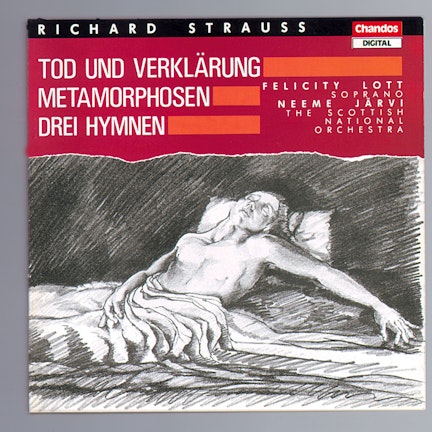
Strauss: Tod und Verklärung, Metamorphosen & 3 Hymnen von Friedrich Hölderlin