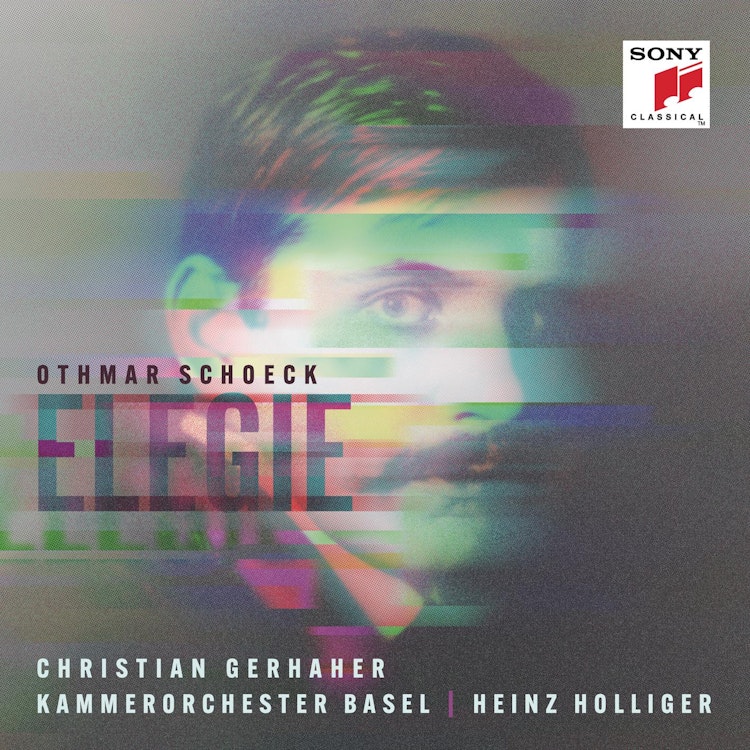
Othmar Schoeck, one of the most important Swiss composers of the 20th century, initially studied painting before enrolling at the Zurich Conservatory.
Compositional Technique
For Elegie, Othmar Schoeck chose a small ensemble of 15 instrumentalists, including piano, flute, oboe/English horn, clarinets, horn, timpani, tam-tam, and strings, to achieve a wide range of tone colors.
Critical Reception
Othmar Schoeck's song cycle Elegie was hailed as "tremendously bold" and "sounds from another world" by the press and a fellow composer at its 1923 premiere.
Composer's Artistic Vision
Othmar Schoeck's Elegie, composed shortly after World War I, addresses existential themes such as valediction, unworldliness, and loneliness, reflecting the concerns of his contemporaries.
Compositional Technique
Othmar Schoeck compiled the poems and their sequence for his song cycles himself, rather than using pre-existing narratives by the poets, a departure from composers like Schubert.
Composition History
The song cycle Elegie was written during a decisive period for Othmar Schoeck, following the enthusiastic reception of his opera Venus, which marked his breakthrough as a composer.