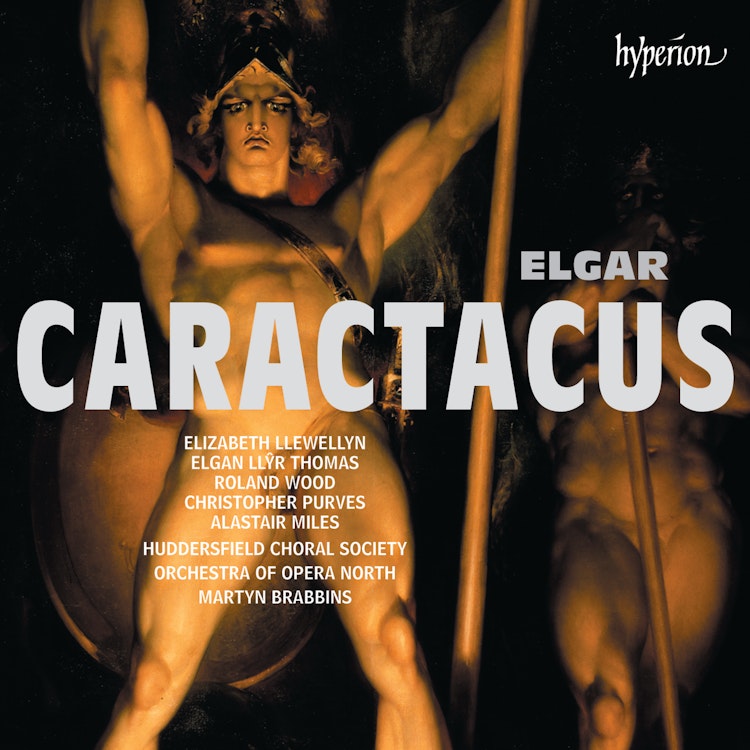
Henry Arbuthnot Acworth, a retired Indian Civil Servant, wrote the libretto for Caractacus, drawing on Roman historians like Dio Cassius and Tacitus.
Historical Context
The libretto for Caractacus follows the general lines of history and tradition, including Caractacus's appearance before Emperor Claudius in Rome and his pardon.
Composition History
Elgar's mother, Ann Elgar, suggested he write a story about the ancient legend of Caractacus's last stand on the Malvern Hills, which eventually inspired this musical composition.
Composer Biography
Caractacus is the final work in a series of choral compositions by Elgar from the 1890s, preceding his famous Enigma Variations of 1899.
Composition History
Caractacus was commissioned for the Leeds Festival of 1898, following an invitation Elgar received in December 1897.
Compositional Technique
The 'Woodland interlude' in Scene III of Caractacus was particularly meaningful to Elgar, who supervised a recording of it from his deathbed in 1934.
Compositional Technique
Elgar used leitmotifs in Caractacus, such as the 'Britain' motif and 'Rome' motif, which are identifiable throughout the work.