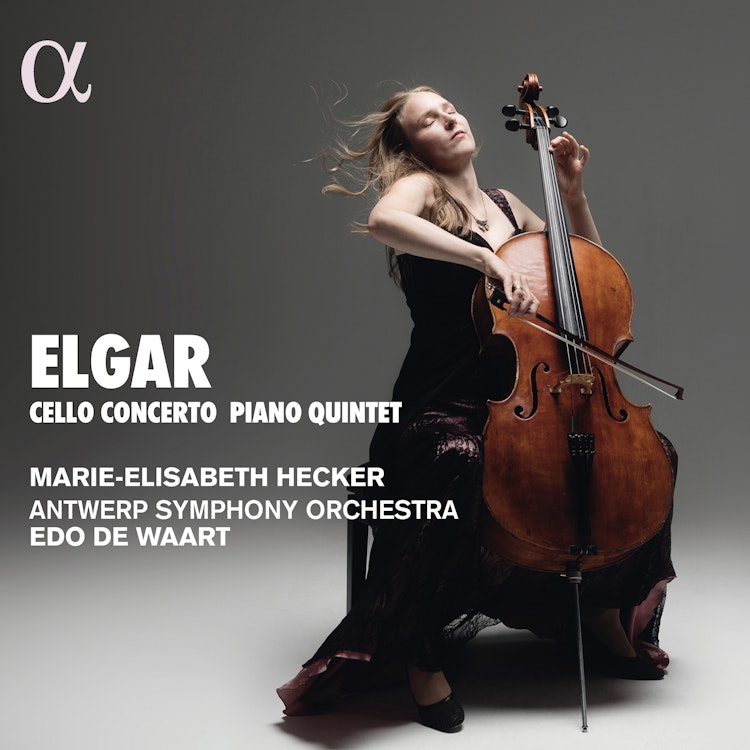
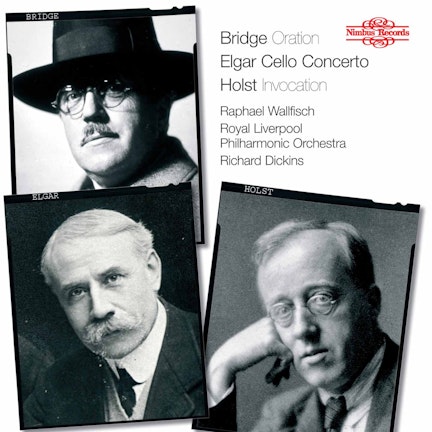
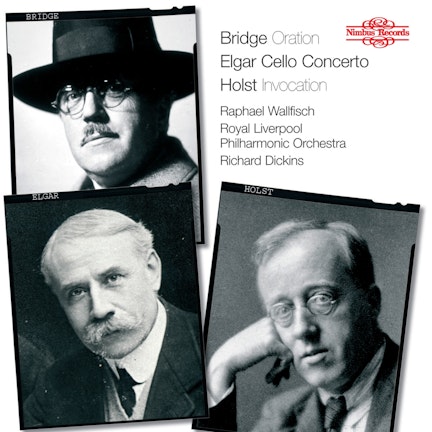
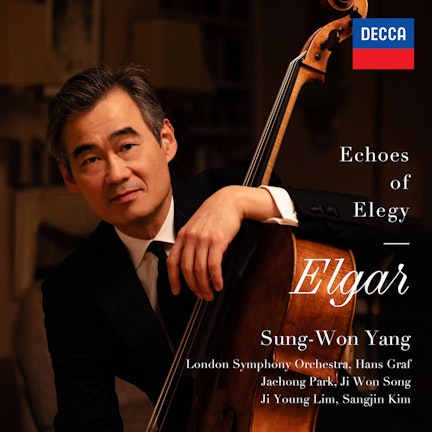
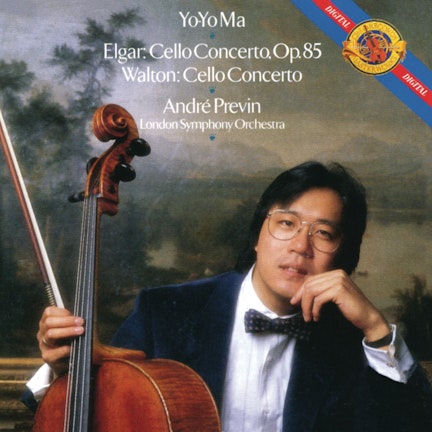
Elgar's Cello Concerto and Piano Quintet are among his last works, composed in 1919 and 1918 respectively, after he was traumatized by World War I and concerned about his ailing wife, Alice.
Composer's Artistic Vision
Marie-Elisabeth Hecker, the cellist on this album, believes both the Cello Concerto and Piano Quintet are autumnal and melancholy, reflecting a backward-looking sentiment.
Performer Biography
Marie-Elisabeth Hecker, the cellist, has assembled an 'absolute dream-team' for the Piano Quintet, including her husband Martin Helmchen on piano, Carolin Widmann on violin, David McCarroll on second violin, and Pauline Sachse on viola.
Composer Biography
After his wife Alice died shortly after the composition of these works, Elgar became a broken man and composed nothing more during the last fourteen years of his life.
Compositional Technique
The opening of Elgar's Piano Quintet is described as unique and almost spine-chilling, with a 'knocking' motif given to the strings while the piano plays the melody.
Interpretation
Marie-Elisabeth Hecker, the cellist, does not favor overly slow tempi in the Cello Concerto, noting that Elgar himself prescribed a fairly flowing tempo.