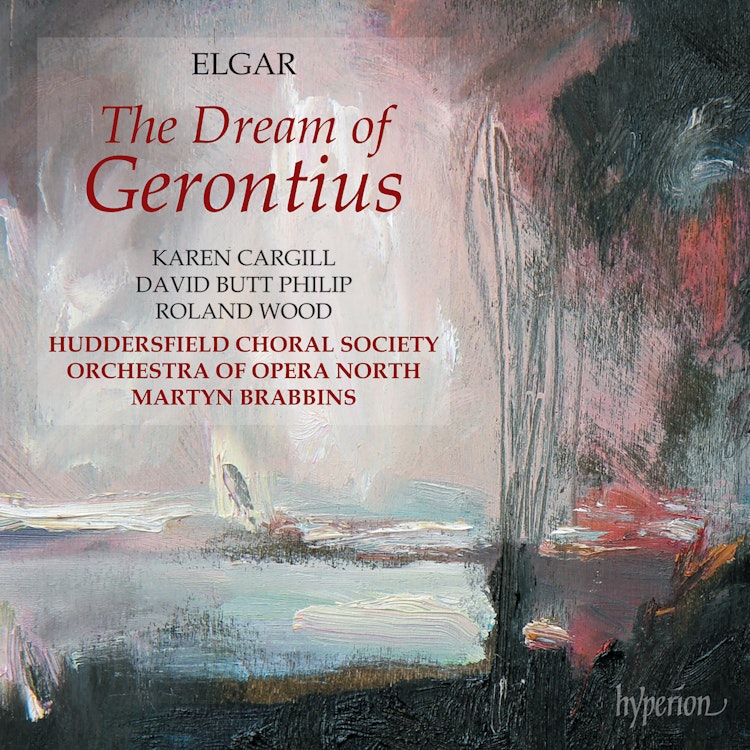
Elgar's "The Dream of Gerontius" was commissioned by the 1900 Birmingham Festival, and he refused to call it an oratorio or cantata.
Recording & Production
The Huddersfield Choral Society made the first-ever complete recording of "The Dream of Gerontius" in April 1945 with the Liverpool Philharmonic Orchestra.
Composition History
Elgar's editor, August Jaeger, persuaded him to add the climactic moment where Gerontius's soul meets God, initially omitted by Elgar, by telling him, "You are no Wagner!"
Composer Biography
Edward Elgar was raised Catholic, as his mother converted five years before his birth, and his father, William, also converted on his deathbed.
Compositional Technique
Elgar's "The Dream of Gerontius" utilizes a Wagnerian music-drama style, incorporating a complex network of leitmotifs and a virtuoso orchestral technique.
Critical Reception
Despite a disastrous premiere performance, critics almost universally praised "The Dream of Gerontius," with The Musical Times calling it "a work of great originality, beauty and power."
Notable Performances
Richard Strauss famously declared Elgar "the first English progressivist" after a successful performance of "The Dream of Gerontius" in Düsseldorf, Germany, in 1902.
You might also enjoy...
Britten: The Prodigal Son (The Complete Works)
Elgar: The Dream of Gerontius
Britten: Curlew River
Hughes: Dewi Sant (St. David)
Finzi: Dies natalis, Clarinet Concerto & Farewell to Arms
Humfrey: Symphony Anthems
Elgar: Music For Wind Quintet, Vol. 1
Arne: 6 Favourite Concertos for Keyboard (English Orpheus 7)
Bax: St. Patrick's Breastplate / Nocturnes / the Morning Watch / To the Name Above Every Name