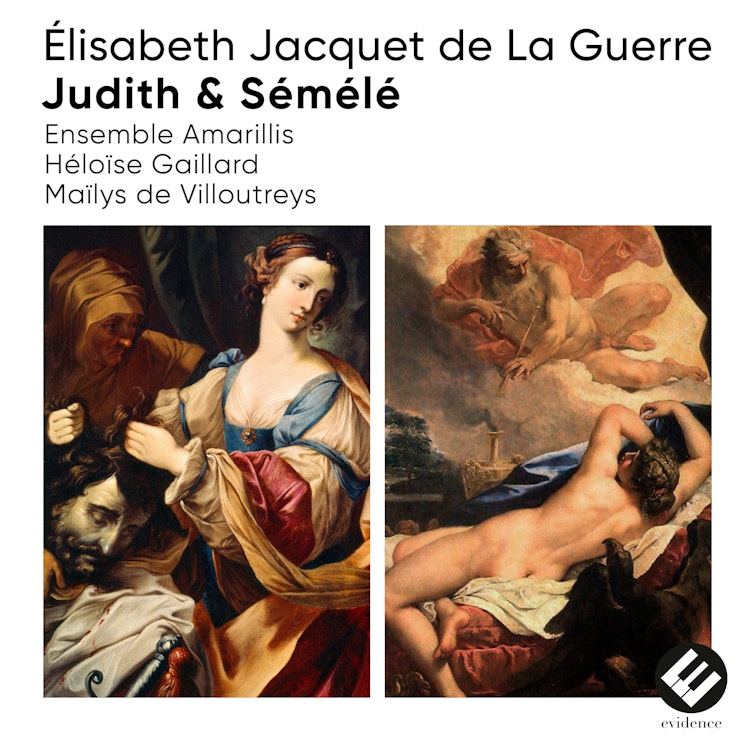
Élisabeth Jacquet de La Guerre's 1707 collection, Pièces de clavecin qui peuvent se jouer sur le viollon, were pioneering works in the new genre of accompanied harpsichord music, where the melodic line is doubled by a violin or other monodic instrument.
Composition History
Élisabeth Jacquet de La Guerre was also the first composer in France to publish sacred cantatas, with two collections in 1708 and 1711, each containing six works.
Composer's Artistic Vision
A contemporary review in the Journal des sçavants noted that Élisabeth Jacquet de La Guerre always based her musical intention on the meaning or emotion of each piece, effectively rendering the words without exaggeration.
Historical Context
Élisabeth Jacquet de La Guerre's early trio sonatas remained in manuscript form because the Italian-born trio sonata genre was considered too innovative for French tastes of the time, which preferred text-based vocal pieces.
Composition History
Élisabeth Jacquet de La Guerre was the first woman to have an opera, Céphale et Procris, performed at the Académie royale de musique in Paris in 1694.
Composer Biography
Élisabeth Jacquet de La Guerre, born in Paris in 1665, was presented at the French court at age five and gained the notice and protection of King Louis XIV for her harpsichord talents.
Compositional Technique
Élisabeth Jacquet de La Guerre's trio sonatas, published in 1695, show an original style blending Italian form, reminiscent of the instrumental canzona, with French taste for ornamented melodic lines.
You might also enjoy...
Telemann: Complete Tafelmusik
Telemann: Musique De Table
Handel: Trios, Sonatas And Concerti For Diverse Instruments
Telemann: Tafelmusik
C.P.E. Bach: Der Frühling
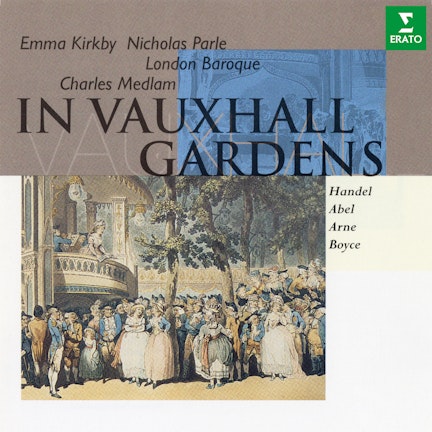
In Vauxhall Gardens: Music by Handel, Abel, Arne & Boyce
Alessandro Scarlatti: Baroque Influencer
Pachelbel: Canon & Gigue / Handel: The Arrival of the Queen of Sheba
Telemann: Banquet Music in three Parts
Bach: Sonatas & Trios
The Unknown Handel
G.F.Telemann: Tafelmusik
Pachelbel: Canon & Gigue / Handel: The Arrival of the Queen of Sheba