The Fourth Sonatina, 'on Hindu modes,' uses two specific Carnatic modes from southern India: Kâmavardini and Hanumatodi.
Compositional Technique
The Second Sonatina, 'Pastorale,' pays homage to Beethoven's Pastoral Symphony by incorporating the calls of three birds: the quail, nightingale, and cuckoo.
Compositional Technique
The First Sonatina, subtitled 'Bourguignonne,' draws inspiration from the Beaune region of Burgundy, incorporating bell chimes and local dances.
Composer Biography
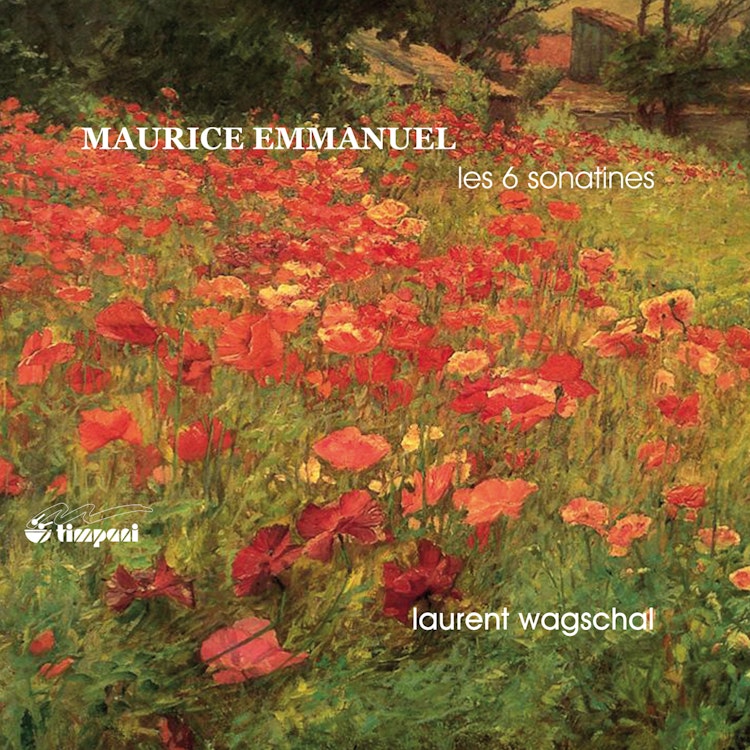
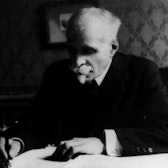
Maurice Emmanuel, an exact contemporary of Claude Debussy, was a fellow pupil at the conservatory and later wrote a masterful analysis of Debussy's opera "Pelléas et Mélisande."
Composition History
Maurice Emmanuel destroyed about 40 of his works, leaving only 30 opus numbers, and these Six Sonatinas are his only known piano pieces.
Critical Reception
The first two Sonatinas, dating from 1893 and 1897, were so advanced for their time that they were not published or performed until after 1920.
Composition History
The initial reception of Maurice Emmanuel's early works, including the first Sonatinas, angered his teacher Léo Delibes and led Emmanuel to doubt himself, resulting in many destroyed works.
You might also enjoy...
American Classics: Piano Sonatas Vol.2
Medtner: Complete Piano Sonatas, Vol. 2
Prokofiev: Piano Sonatas Nos.6-8
Andrzej Nikodemowicz: Piano Sonatas /Keska-piano
American Piano Sonatas, Vol. 2: Griffes, Sessions & Ives