Enescu: Symphony No. 2 in A Major, Op. 17 & Chamber Symphony in E major, Op. 33
6/5/2012, 8 Tracks, 1:09:19
Featuring
Hannu Lintu
Tampere Filharmonia
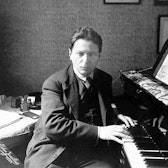
George Enescu
Did you know?
1/7
Critical Reception
The Second Symphony's premiere in Bucharest in 1915 was the only performance during Enescu's lifetime, and it did not go over well with critics.
Performer Biography
The Tampere Philharmonic Orchestra is one of Scandinavia's foremost symphony orchestras, with over 40 recordings and multiple awards, including five Cannes Classical Awards.
Composer Biography
George Enescu, born in Moldavia (Romania's easternmost province), studied at both the Vienna and Paris conservatories.
Composer's Artistic Vision
Enescu's music, unlike that of his contemporary Béla Bartók, was a more traditionally Humanist enterprise with little trace of modernist alienation and no real sense of discontinuity with the past.
Composition History
The Chamber Symphony, Op. 33, completed in 1954, was one of Enescu's very last works, with sketches dating back to before World War I.
Composition History
Enescu's Second Symphony, Op. 17, was composed just before World War I, during a period when he was based in Paris but traveled extensively as a concert violinist.
Composition History
Enescu suffered a stroke in July 1954, leaving him semi-paralysed, and he had to dictate the final stages of the Chamber Symphony to Marcel Mihalovici.