Leo Fall, the composer of "The Rose of Stambul", and Franz Lehár, a more famous contemporary, both began their careers as sons of military bandmasters and played violin in the same infantry regiment orchestra.
Historical Context
The operetta "The Rose of Stambul" was set in Ottoman Turkey, an ally of Austria during World War I, reflecting a long-standing European fascination with the Ottoman Empire.
Recording & Production
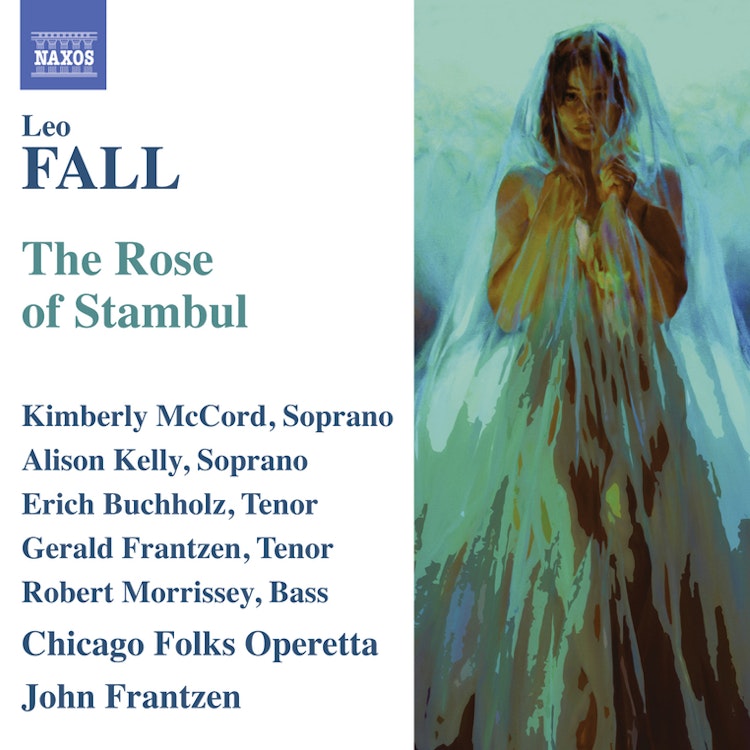
This recording of "The Rose of Stambul" by Chicago Folks Operetta uses a new English translation faithful to the original German text, and no notes of Fall's music were changed.
Critical Reception
"The Rose of Stambul" enjoyed a fifteen-month run in Vienna, making it the most successful operetta there since Lehár's "The Merry Widow" eleven years prior.
Compositional Technique
Leo Fall incorporated Turkish marches into "The Rose of Stambul" to set the scene, a musical reference contemporary Viennese audiences would have understood, but the rest of the music is European.
Composition History
Leo Fall moved to Vienna in 1906 to focus on operetta composition, a decision that quickly led to three hit shows in 1907 and 1908.
Composer's Artistic Vision
Leo Fall, like his contemporary Franz Lehár, aimed to push the musical boundaries of the operetta genre, drawing inspiration from composers like Brahms, Wagner, Richard Strauss, and Tchaikovsky.
You might also enjoy...
J. Strauss II: Waldmeister (Excerpts)
Albert Lortzing: Zum Groß-Admiral
Sullivan, A.: Cox and Box
Mendelssohn: A Midsummer Night's Dream
(with spoken text and melodramas in English)