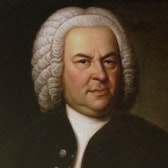
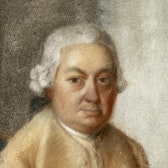
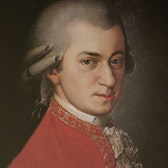
In the 18th century, composers like J.S. Bach, C.P.E. Bach, and Mozart were not only performers but also renowned improvisers, often showcasing their talent more through improvisation than written works.
Historical Context
In Mozart's era, it was common to improvise preludes to set the key for a piece or transition between keys during a recital, a practice that later declined among concert pianists.
Composer's Artistic Vision
C.P.E. Bach's Fantasia in F-sharp minor, Wq. 67, one of his last works, was subtitled "C.P.E. Bachs Empfindungen" (C.P.E. Bach's Sentiments), suggesting it may have been a musical testament.
Composition History
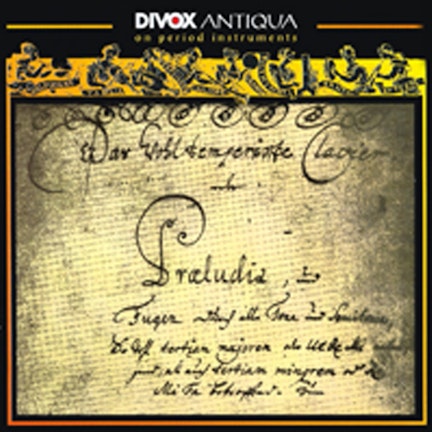
J.S. Bach's Chromatic Fantasia and Fugue, BWV 903, likely written before 1723, has no surviving autograph manuscript but is attested to by dozens of significant manuscript sources, indicating its widespread popularity.
Instruments
Mozart's fantasias were all composed after he acquired his Anton Walter pianoforte around 1782, leading to speculation that these works explored the new instrument's capabilities.
Interpretation
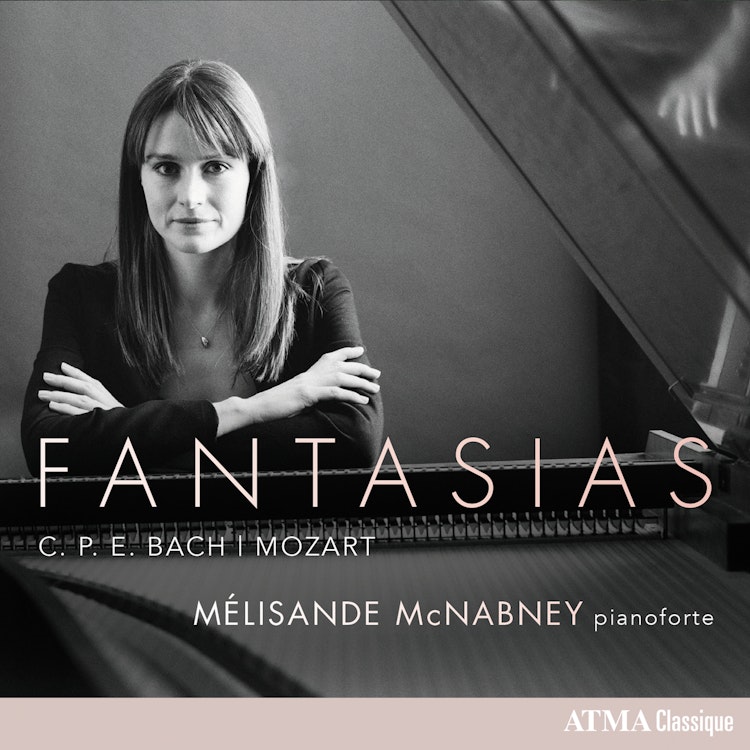
This album includes improvisations by Mélisande McNabney, reflecting the historical practice of improvisation by 18th-century musicians, a practice now being revived by historically informed performers.
Critical Reception
Leopold Koželuch, a Bohemian pianist and composer, was more popular than Mozart in his time, with Gerber's Lexicon in 1790 calling him "unquestionably the favourite living composer of both the young and old."