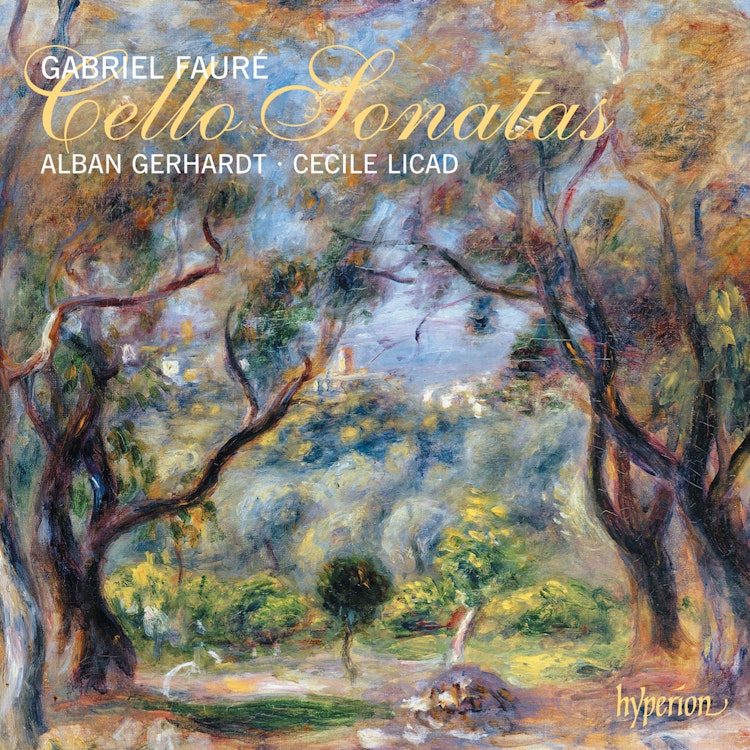
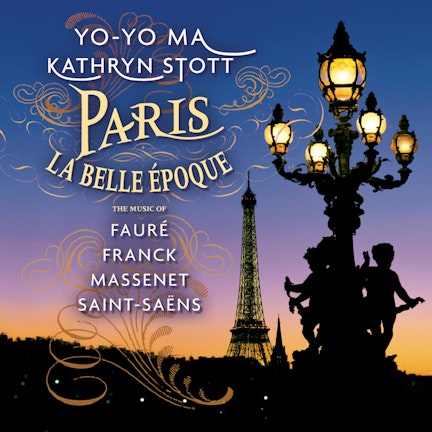
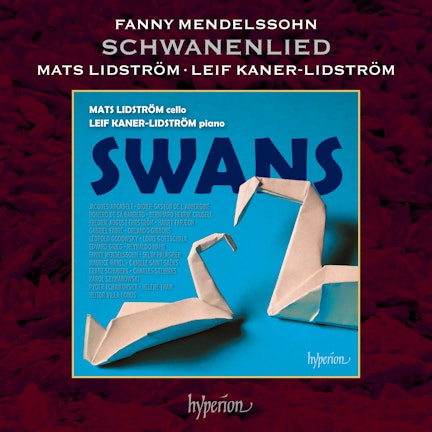
Fauré: Cello Sonatas Nos. 1 & 2; Elegy; Sicilienne etc.
10/13/2023, 12 Tracks, 1:04:11
Featuring
Alban Gerhardt
Cecile Licad
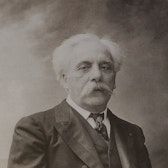
Gabriel Fauré
Did you know?
1/7
Composition History
The Élégie, written in 1880, was originally conceived as the slow movement of a sonata but was published as a standalone piece after Fauré decided the sonata wouldn't work.
Composer Biography
Gabriel Fauré retired from his post as Director of the Paris Conservatoire in 1920 at age 75 due to deafness and failing health, though he savored the idea of his 'deliverance'.
Composer Biography
In 1880, Gabriel Fauré, then 35, was a choirmaster earning 3,000 francs a year and supplementing his income with teaching.
Composition History
Fauré's publisher insisted on calling a commissioned cello piece 'Libellules' (Dragonflies) then 'Papillon' (Butterfly), to which Fauré retorted: 'Butterfly or Dung Fly, call it whatever you like.'
Composition History
The Sicilienne was recycled from incidental music Fauré wrote for a Molière production that folded, and was later used in a London production of Maeterlinck's Pelléas et Mélisande.
Composer Biography
Fauré's Sérénade, composed in 1908, may have been a gift for cellist Pablo Casals on his engagement to Portuguese cellist Guilhermina Suggia, though they never married.
Compositional Technique
A feature of Fauré's late works, including the D minor Sonata, is that he reworked themes from his earlier, unpublished pieces.