Fauré studied at the École Niedermeyer in Paris, where he learned Gregorian modes and enharmonic modulation, and was a pupil of Saint-Saëns, whom he credited for everything.
Critical Reception
Fauré's chamber music is often superficially dismissed or given faint praise because it rewards only close attention and avoids melodrama or obvious contrasts.
Composer's Artistic Vision
Fauré's creativity, like Schubert's, intensified as his physical health declined, leading to an outpouring of vigorous chamber music in his final years.
Compositional Technique
Fauré's instrumental writing features free canonic ingenuity and seamless flow, avoiding dramatic interruptions and blending textures organically.
Compositional Technique
Fauré's approach to the piano in his quintets differs from other Romantic composers; he uses understated piano parts to unify string and keyboard textures, rather than treating the piano as a concertante soloist.
Composer Biography
Fauré suffered from hearing problems starting around 1902, which led to the loss of his professorial post at the Paris Conservatoire in 1920.
Composer Biography
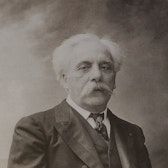
Gabriel Fauré, born in 1845, had no musical ancestry and was described as a taciturn and preoccupied child.
You might also enjoy...
Bartók & Korngold: Piano Quintets
Catoire & Friedman: Piano Quintets
Saint-Saëns & Farrenc: Romantic Dreams
Gernsheim: The Piano Quintets
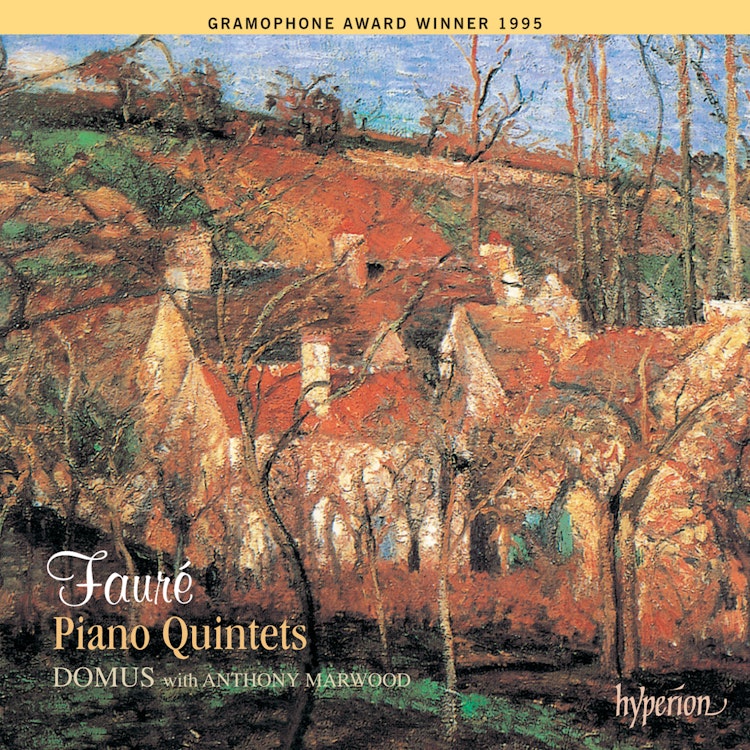
Fauré: Piano Quintets Nos. 1 & 2
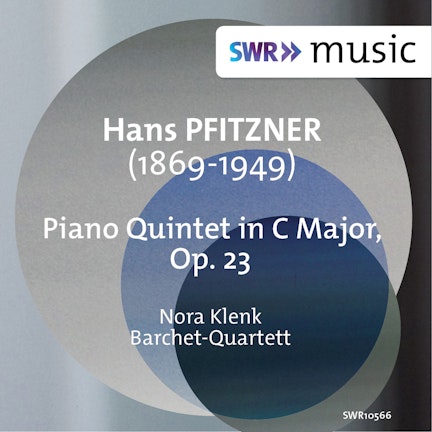
Pfitzner: Piano Quintet in C Major, Op. 23
Berwald: Piano Quintets
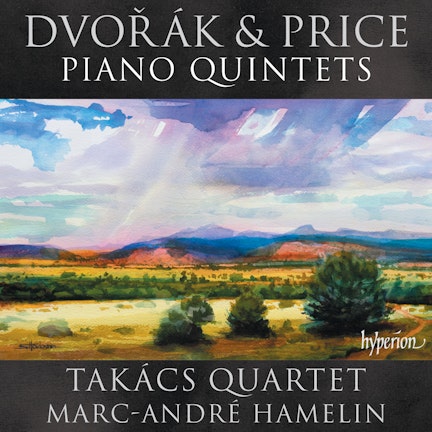
Dvořák & Price: Piano Quintets
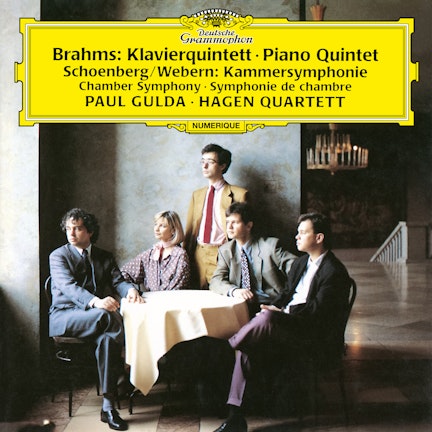
Brahms: Piano Quintet in F Minor, Op. 34 / Schoenberg: Chamber Symphony No. 1, Op. 9