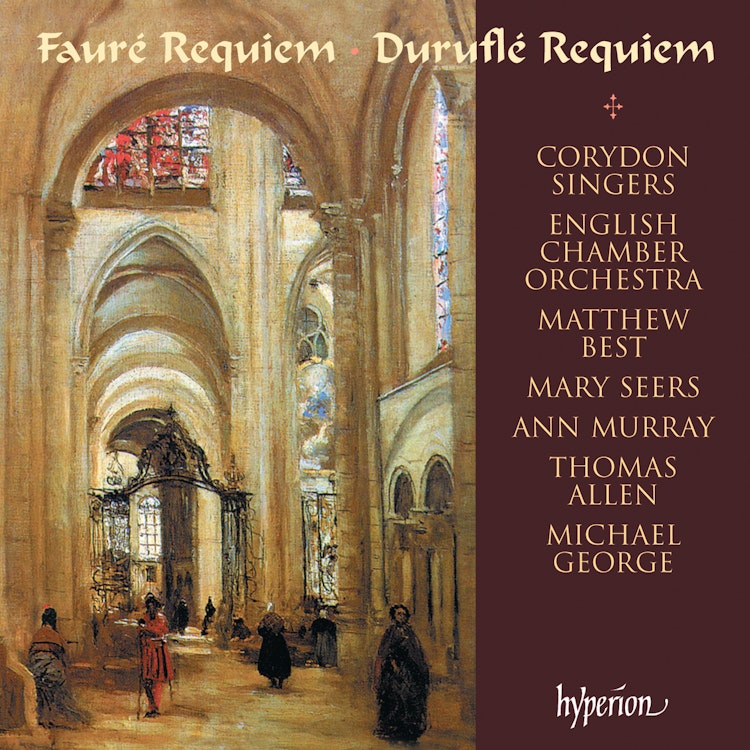
The recording uses Duruflé's 'middle version' of his Requiem, published in 1961, which reduces the full orchestral score to singers, organ, and a string quintet with optional instruments.
Composition History
Fauré's Requiem exists in three versions, with the 1893 version recorded here considered the most convincing compromise due to uncertainties about Fauré's involvement in the final 1900 version.
Composition History
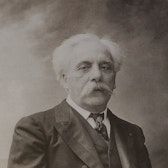
Fauré began planning his Requiem in 1887, jotting down ideas in pocket-books, and composed most of it after his mother's death on December 31, 1887.
Composer Biography
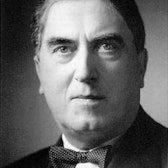
Maurice Duruflé, a renowned virtuoso organist, published only ten works in sixty years, one fewer than his teacher Paul Dukas, reflecting his meticulous perfectionism.
Compositional Technique
Duruflé's Requiem, modeled on Fauré's, uses plainsong as the basis for the entire work, unifying it and imbuing it with timelessness and meditative spirituality.
Composer's Artistic Vision
Duruflé eschewed avant-garde experimentation, instead drawing inspiration from plainsong and modeling his work on great French composers like Debussy, Ravel, Fauré, and Dukas.
Composer's Artistic Vision
Fauré's Requiem is unique among settings of the Mass for the Dead because it does not adhere to the traditional liturgical text, as he viewed death as a gentle release from earthly life.
You might also enjoy...
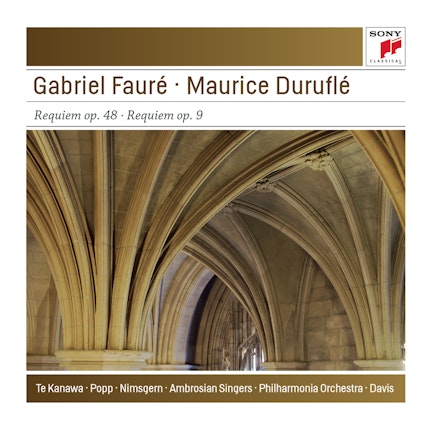
Fauré: Requiem Op. 48 & Duruflé: Requiem Op. 9
Fauré / Duruflé: Requiem
Roger Norrington conducts Sacred Music
Barenboim & Chicago Symphony Orchestra - The Erato-Teldec Recordings, Vol.3
Fauré: Requiem & Poulenc: Gloria
Delius: Requiem / A Mass of Life
Martini: Requiem pour Louis XVI et Marie Antoinette