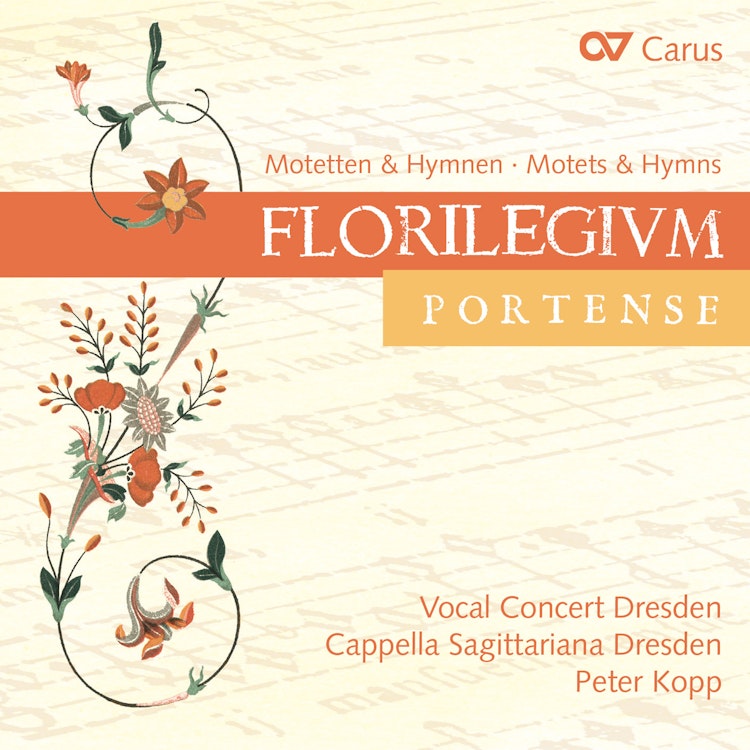
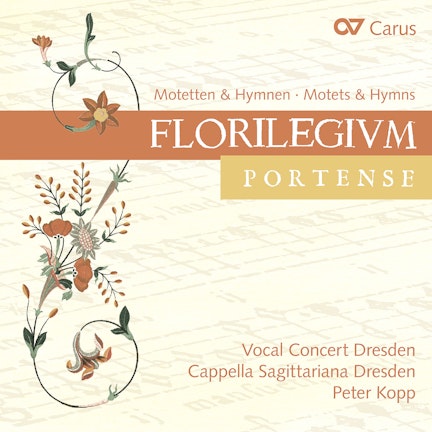
The 'Little Florilegium,' a collection of homophonic hymns harmonized by Sethus Calvisius, features unadorned homophony and clarity, with music serving as a foundation for the text.
Historical Context
The Florilegium collections were standard repertoire in Leipzig's churches and schools, even during Johann Sebastian Bach's time as Kantor of St. Thomas's.
Cultural Impact
Despite containing repertoire from Catholic Southern Germany, Burgundy, the Netherlands, and Italy, the Florilegium Portense was considered trend-setting for disseminating Lutheran teachings.
Critical Reception
Johann Adam Hiller, a successor to Bach as Kantor of St. Thomas's, dismissed the Florilegium Portense as 'Latin singsong' and removed it from the repertoire around 1790.
Composition History
The collection was initially conceived as an educationally motivated repertoire for the Saxon princely school in Pforta, first appearing in 1603 as Florilegium selectissimarum cantionum.
Composer Biography
Sethus Calvisius, a universal scholar and Kantor in Pforta and Leipzig, introduced hymn and motet singing during meals at Pforta and was the 'spiritual father' of the Florilegium collection.
Composition History
The Florilegium Portense is a collection of sacred motets, first printed in 1618, and was the most important collection of its kind in early 17th-century Electoral Saxony and neighboring countries.