Foerster, the composer, believed music should express 'the bright glory of paradise' and therefore demanded noble rhymes and literary sensibility in his libretto, rather than colloquial language.
Composition History
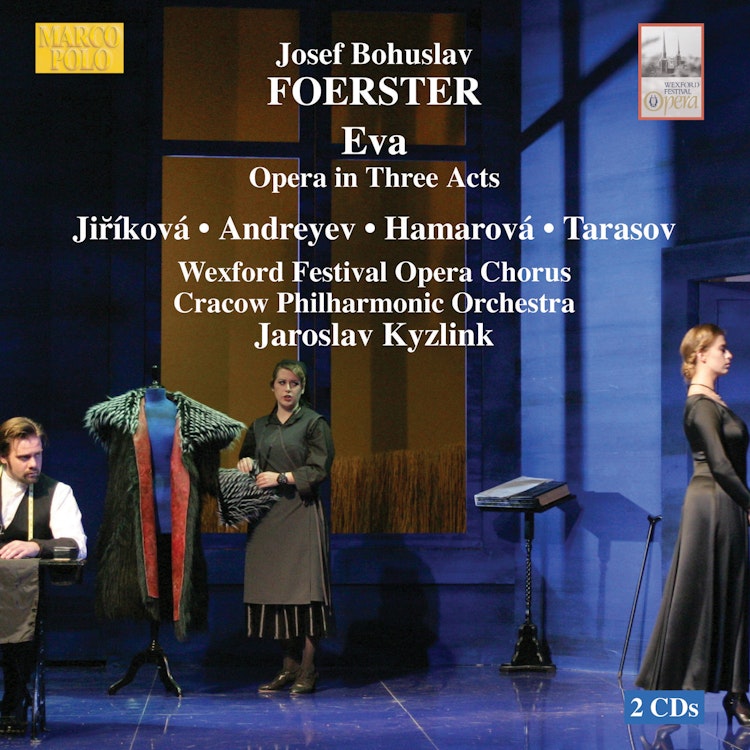
Foerster's opera Eva is based on Gabriela Preissová's realist drama Gazdina roba, which he reviewed for Národní listy (The National Papers) in 1889.
Composition History
Josef Bohuslav Foerster's opera Eva was one of three works submitted to a competition for a new opera at the National Theatre in Prague in 1896.
Critical Reception
Eva, along with other operas by Smetana, Dvořák, and Janáček, formed the core of the Czech opera repertory for sixty years, with Eva proving especially long-lived.
Composer's Artistic Vision
In his opera Eva, Foerster focused on the humanity and soul of his characters, particularly Eva, rather than their social context, expanding their reflections into emotionally rich musical periods.
Composer Biography
Josef Bohuslav Foerster was a significant figure in Czech music, serving as President of the Czech Academy of Arts and Sciences and becoming the first musician to be awarded the title of National Artist in 1945.
Compositional Technique
Foerster built the opera Eva on short, flexible motifs that describe the main characters and reveal unspoken emotions through a multi-layered network of orchestral voices.
You might also enjoy...
Thomas: Hamlet
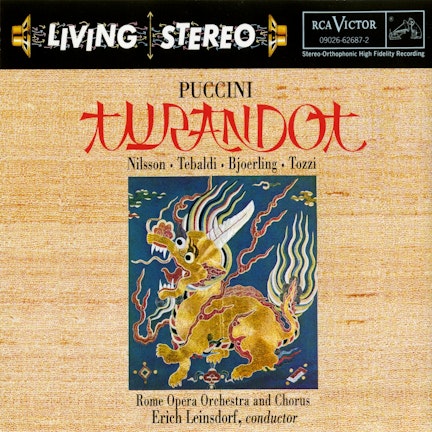
Puccini:Turandot
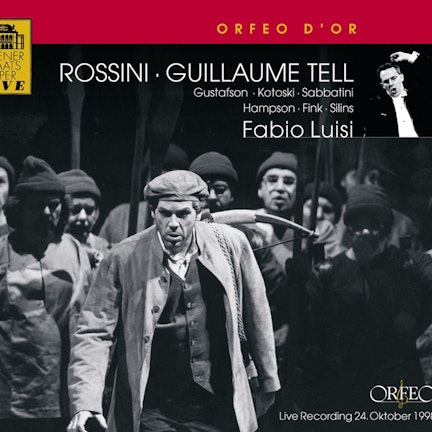
Rossini: Guillaume Tell
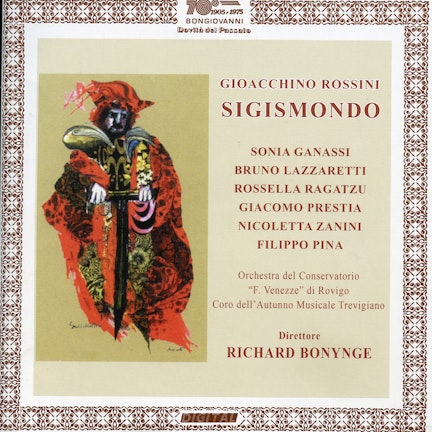
Rossini: Sigismondo
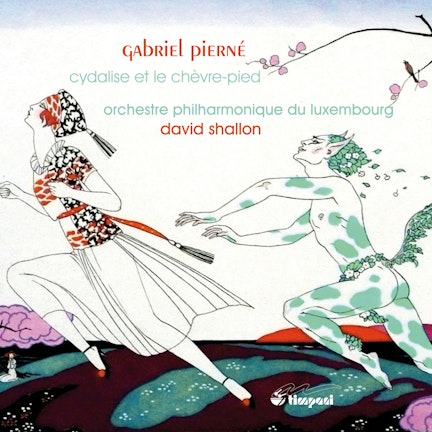
Pierne: Cydalise et le Chevre-Pied
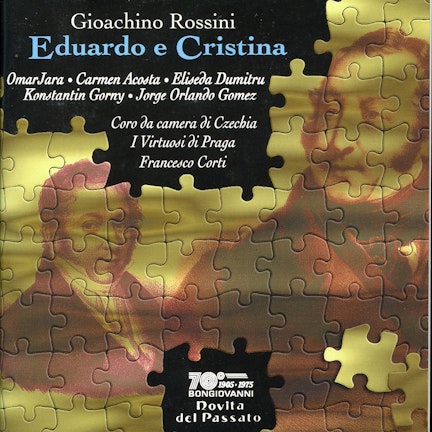
Rossini: Eduardo e Cristina
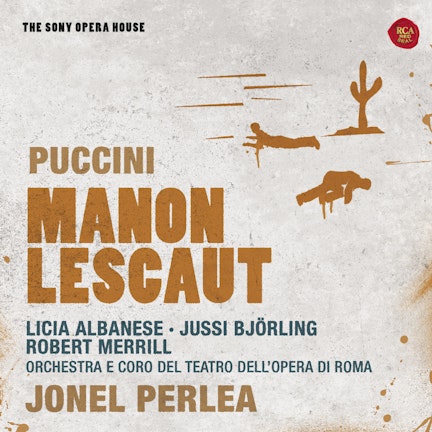
Puccini: Manon Lescaut - The Sony Opera House
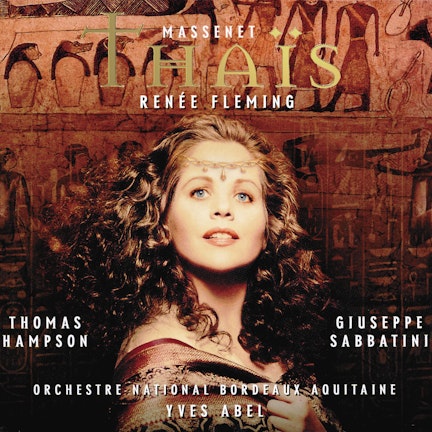
Massenet: Thaïs
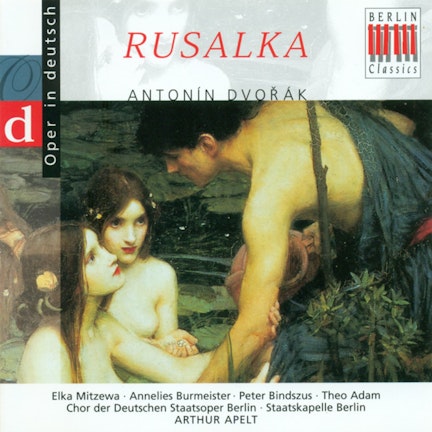
Antonín Dvorák: Rusalka (Opera) [Highlights] [Sung in German] [Mitzewa]