Giovanni Battista Fontana, a virtuoso violinist from Brescia, was famous in Venice, Rome, and Padua, where he died from the plague.
Historical Context
The 17th century saw a significant renovation of musical language, influenced by the new melodramma, leading composers to seek new technical-expressive solutions for instrumental performance.
Interpretation
The Lux Terrae Baroque Ensemble uses reproductions of historical instruments from Fontana's time and the historical quarter-comma meantone temperament to approach the music.
Compositional Technique
Fontana's compositions feature a structure with contrasting sections in terms of 'affetti', character, and meter, along with the use of 'concertato' style and long solo passages.
Interpretation
The ensemble varied instrument choices for both continuo and solo parts to create diverse timbral mixtures, respecting the composer's instructions which allowed for wide freedom.
Composer's Artistic Vision
Fontana's style is characterized by unusual, surprising, and fantastic passages, with unexpected changes of 'affetti' (affections or emotions) and sudden bursts of virtuosity.
Composition History
Fontana's sonatas were published posthumously in 1641 by Bartolomeo Magni, a Venetian printing press, and edited by Giovanni Battista Reghino, choirmaster in Brescia.
You might also enjoy...
1723: Bach, Bertali, Biber, Corelli & Pisendel
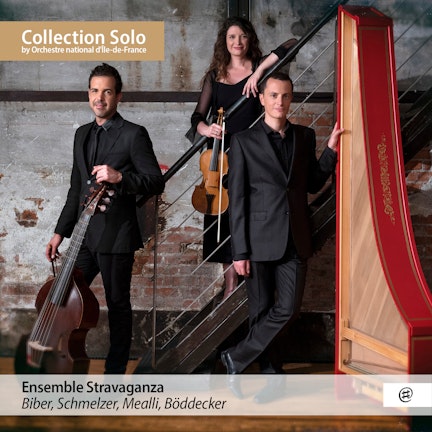
Biber, Schmelzer, Mealli, Böddecker
Chameleon
Gentleman for a Day
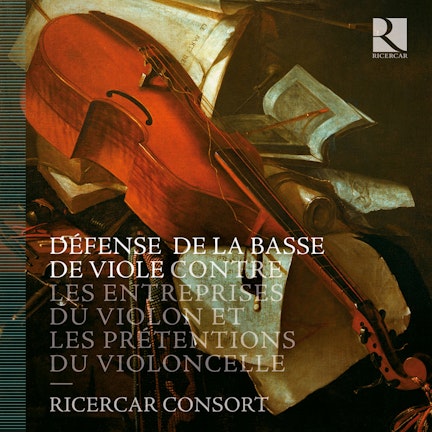
Defense de la basse de viole contre les entreprises du violon et les pretentions du violoncelle
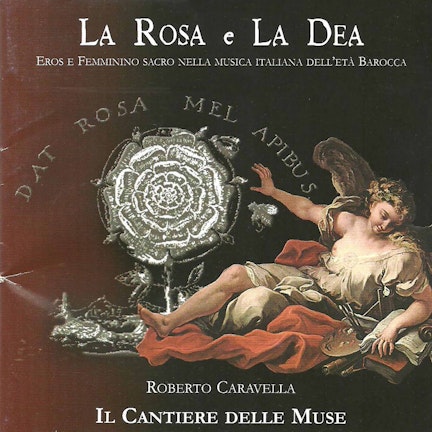
La rosa e la dea
Telemann: Les Plaisirs de la table
Sonate a quattro
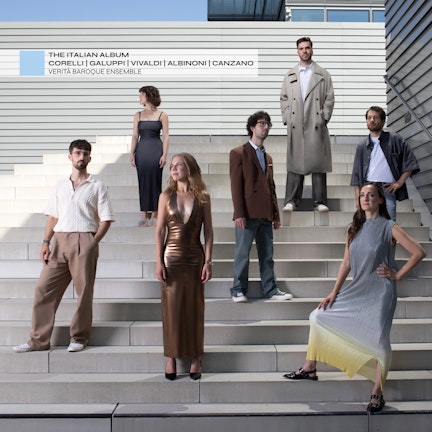
The Italian Album
Boismortier / Dornel: Concertos and Sonatas
Il violoncello del cardinale
Extravagantes Seicento: Sonatas for Violon and Viola da Gamba at the Habsburg Court