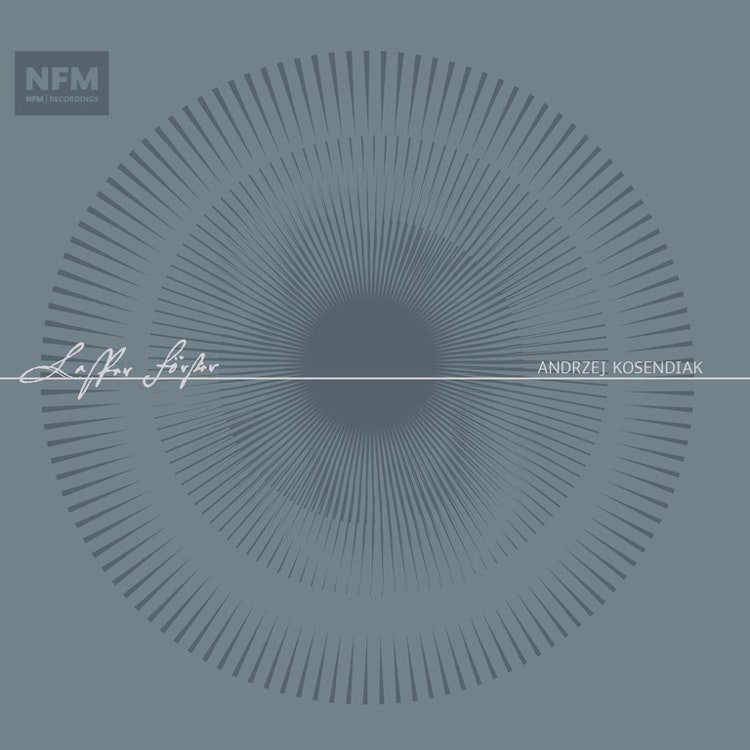
Förster's music, while Italian-influenced, also displays a unique playfulness and unpredictability through startling rhythmic subtleties, refined vocal interplay, and unexpected melodic and harmonic turns.
Critical Reception
Kaspar Förster Jr. was highly regarded in Northern Europe during his lifetime, being mentioned by Christoph Bernhard as one of three contemporary German composers worthy of imitation, alongside Heinrich Schütz and Johann Caspar Kerll.
Composer Biography
Förster Jr. was employed as a singer at the Polish court of King Ladislaus IV Vasa and later served as Hofkapellmeister in Denmark, where he received a remarkably high salary.
Compositional Technique
Förster's music is heavily influenced by Italian models, particularly his teacher Carissimi, incorporating expressive harmonic devices like 6/4/2 sonorities, ninth chords, and the Neapolitan sixth chord.
Composer Biography
Despite working for the Lutheran court in Denmark for much of his career, Kaspar Förster Jr. was a Catholic.
Compositional Technique
Förster's motets often feature a 'concertato alla romana' style, alternating between solo voice and ensemble sections, and a 'stile misto' pseudo-recitative that blends recitative with flowing cantabile passages.
Composer Biography
Kaspar Förster Jr., born in Gdańsk in 1616, studied in Rome for about four years with Giacomo Carissimi, an influential teacher.
You might also enjoy...
Vivaldi: Stabat Mater
Telemann: Missa & Cantatas for Countertenor
A German in Venice
Vivaldi: Suzie LeBlanc
Heinichen: Concertos & Sonatas
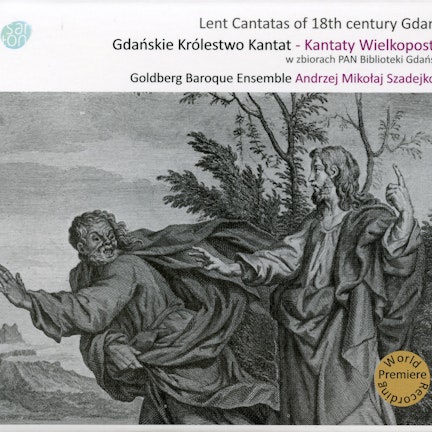
Lent Cantatas of 18th Century Gdansk
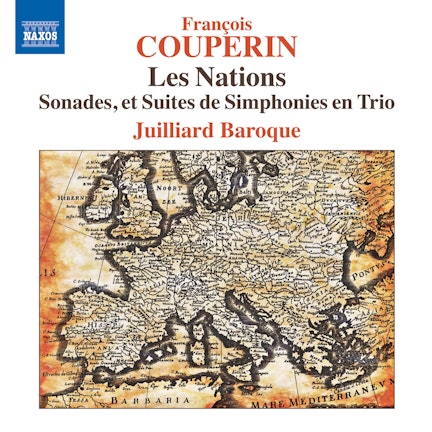
Couperin: Les nations
Pergolesi: Stabat Mater, Salve Regina - Florilegium