In the Drei Gesänge op. 83, Schumann employs a 'lyrical dramaturgy' that traces the development from a complicated through-composed song to a modified strophic song, and finally to a pure strophic song, returning to simplicity.
Compositional Technique
The late Sechs Gesänge op. 107, despite not having a grand cyclical design, explore the idea of human isolation through continuous fragmentation of a single thought, culminating in rhythmic dissection and a sense of timelessness in the final 'Abendlied'.
Compositional Technique
Schumann's Romanzen und Balladen op. 49 is considered a prime example of his ability to translate poetic irony into music, presenting a sequence of 'laughable images' that only reveal their true nature when taken together.
Compositional Technique
The Kerner-Lieder are considered Schumann's most conceptually daring cycle among his major song collections, as he arranged twelve unrelated poems by Kerner to create a cyclical narrative about a protagonist's development.
Composer Biography
Justinus Kerner, a physician and poet from the Swabian school, inspired the young Schumann and was also known for inventing klecksography (inkblot art).
Composition History
Schumann's Zwölf Gedichte op. 35, known as the Kerner-Lieder, form one of his three major song cycles, alongside Dichterliebe op. 48 and Liederkreis op. 39.
Composer's Artistic Vision
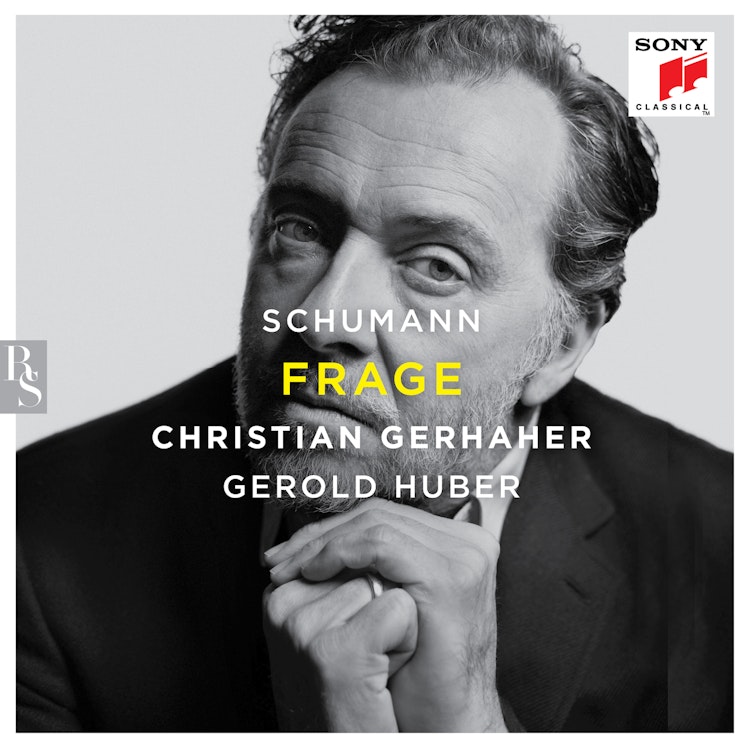
Christian Gerhaher, the baritone on this recording, believes that Robert Schumann conceived even his smaller song collections cyclically, developing a 'lyrical dramaturgy' where text and music are held together by a common poetic idea.
You might also enjoy...
Schumann: Liederkreis, Op. 24 & Op. 39
Schumann: Lied Edition, Vol. 3: Lieder-Album Fur Die Jugend, Op. 79 - Lieder Und Gesange I, Op. 27
Schumann: Spanische Liebeslieder, Op. 138
Schumann Lieder Vol. V
Songs Of Schumann: LiederKreis Op. 24 & Lieder Op. 35