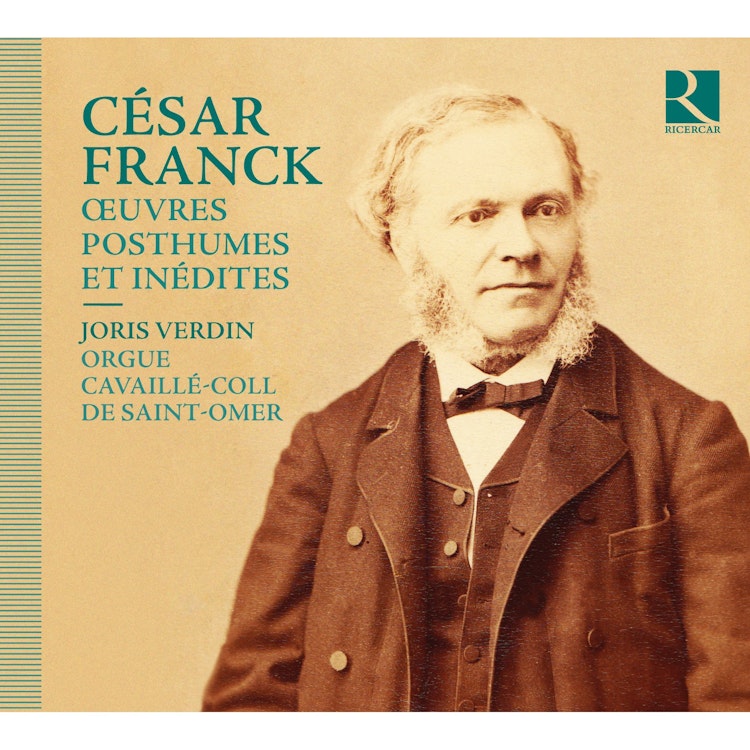
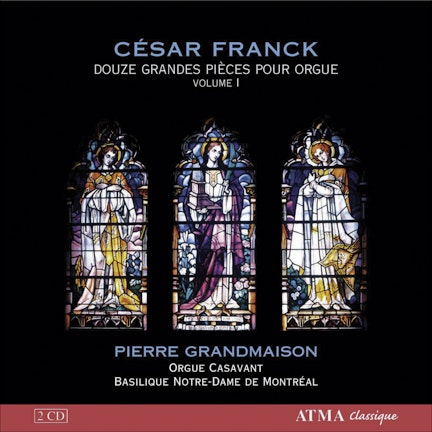
The 'Pièces Posthumes' are a collection of over forty organ pieces by César Franck that were published after his death and are less known than his 'big twelve' organ works.
Interpretation
The performer, Joris Verdin, chose an early Cavaillé-Coll organ to best capture the orchestral effects of Franck's music, often diverging from the composer's specified registrations due to their uniformity and questionable authenticity.
Composer's Artistic Vision
Unlike his 'big twelve' organ pieces, almost all of César Franck's 'Pièces Posthumes' were composed specifically for Catholic ritual.
Composer Biography
César Franck, initially a virtuoso pianist, transitioned to becoming an organist in 1846 after breaking ties with his father.
Critical Reception
Early works by César Franck, especially those for piano before 1850, were often treated with scorn by critics, who believed he only became a great composer later in life.
Instruments
The Cavaillé-Coll organ of the Cathedral of Saint-Omer, used for this recording, was restored in 1855 by Aristide Cavaillé-Coll, a leading 19th-century organ builder.
You might also enjoy...
Olivier Messiaen - Early Organ Works
Koechlin: Organ Works
Luna
Respighi: Complete Organ Works
Saint-Saens: Organ Works Vol.4
Lamento e trionfo
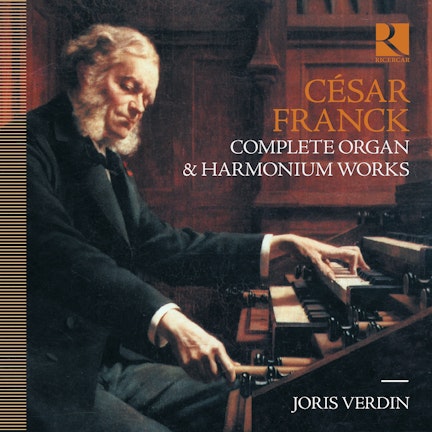
Franck: Complete Organ & Harmonium Works
Franck: Organ Works
Franck: The Organ Works
Price: Festal March, Tempo moderato, In Quiet Mood & Andante