Sandro Fuga's piano sonatas incorporate influences from composers like Ravel and other French artists for harmonic refinement, and Prokofiev and Bartók for rhythmic-percussive elements.
Composer Biography
Sandro Fuga, the composer, inherited his passion for art and music from his mother, who was a member of the eminent Venetian Nono family of artists.
Composer's Artistic Vision
Sandro Fuga considered himself a 'Romantic survivor' who believed music is the expression of emotions, always stemming from feeling or fantastical stimulus.
Composer's Artistic Vision
Sandro Fuga was critical of the radical avant-garde, accusing them of 'musical clownery' and questioning their reliance on engineered sound or extramusical effects.
Composer Biography
Sandro Fuga began his career as a concert pianist in Italy and abroad, including radio broadcasts, before dedicating himself exclusively to composing in 1944.
Compositional Technique
Sandro Fuga's piano sonatas often conclude by softening the tone, moving towards silence with piano and pianissimo passages, rather than with a rousing finale.
Recording & Production
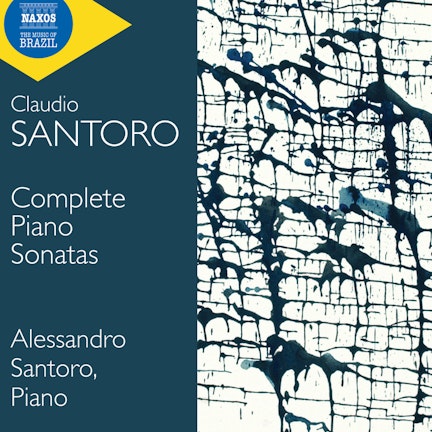
Two of the three piano sonatas on this album, Piano Sonata No. 2 (1976) and Piano Sonata No. 3 (1980), are world premiere recordings.
You might also enjoy...
Price: Piano Sonata in E Minor
Landini: Piano Sonata No. 5
Piano Sonata No. 29, Op. 129 (Sonata etere): I. In cerca di – moderato