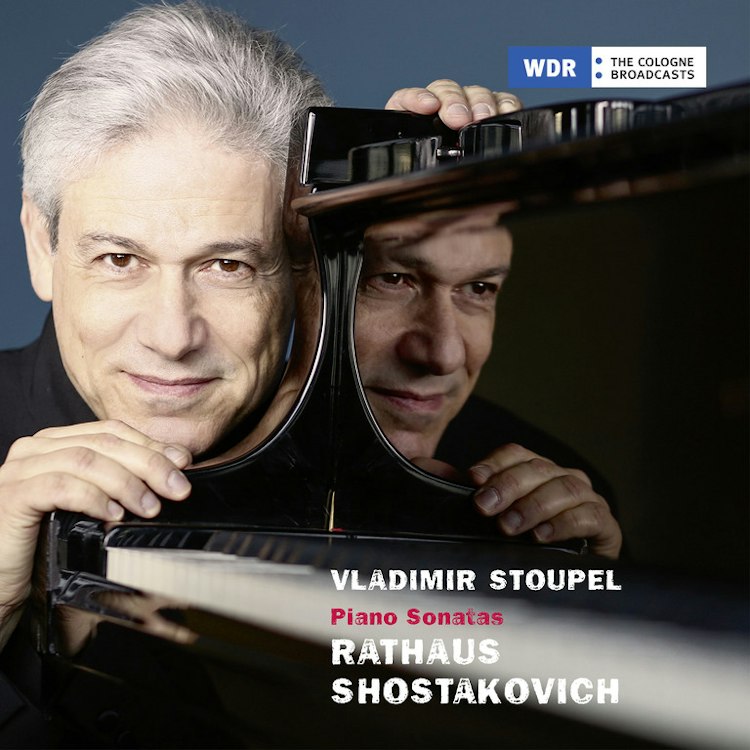
Dmitri Shostakovich's Piano Sonata No. 2, Op. 61, composed in late 1942 and early 1943 during World War II, is dedicated to the memory of his piano teacher Leonid W. Nikolajew.
Composer Biography
Due to the increasingly dangerous political situation, Karol Rathaus left Germany in 1932, eventually settling in the USA in 1938, where he became a composition professor at Queens College in New York.
Compositional Technique
In the third movement of his Piano Sonata No. 2, Shostakovich, a great admirer of J. S. Bach, uses the form of a variation cycle with a folk-like melody as its theme, demonstrating his mastery of polyphony.
Composition History
Karol Rathaus's First Piano Sonata, Op. 2 (1920) was his entrance exam piece for the Hochschule für Musik in Berlin, where he followed his teacher Franz Schreker.
Critical Reception
Karol Rathaus experienced a meteoric rise in his early career, with prominent German critics hailing him as 'New Music's greatest hope'.
Composer Biography
Karol Rathaus, born in Tarnopol (then Austria-Hungary) into a Polish-Jewish family, had his studies interrupted by World War I, serving four years in the Austrian army.
Performer Biography
Vladimir Stoupel, the pianist on this recording, has performed with leading orchestras such as the Berliner Philharmoniker and the Gewandhausorchester Leipzig.
You might also enjoy...
Rathaus & Shostakovich: Piano Sonatas
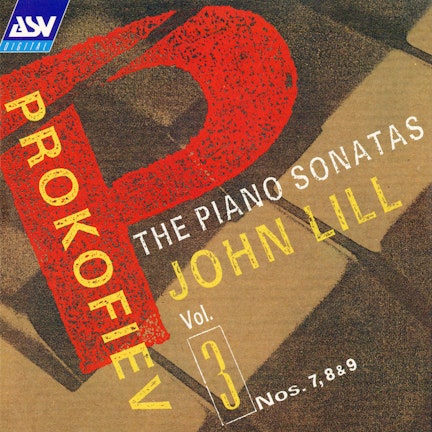
Prokofiev: The Piano Sonatas Vol. 3
Prokofiev: Piano Sonata No. 7 in B-Flat Major, Op. 83; Piano Sonata No. 9 in C Major, Op. 103 & Piano Sonata No. 6 in A Major, Op. 82
Prokofiev: Klaviersonaten
Sviatoslav Richter 100, Vol. 41 (Live)
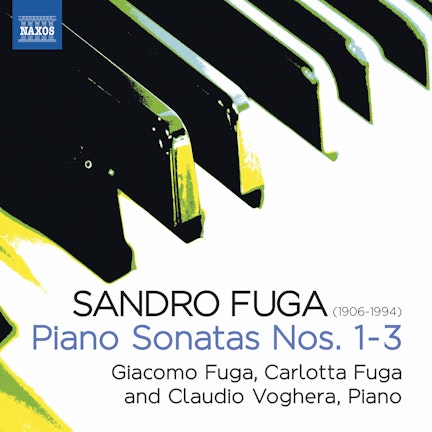
Fuga: Piano Sonatas Nos. 1-3
George Walker: Piano Sonatas
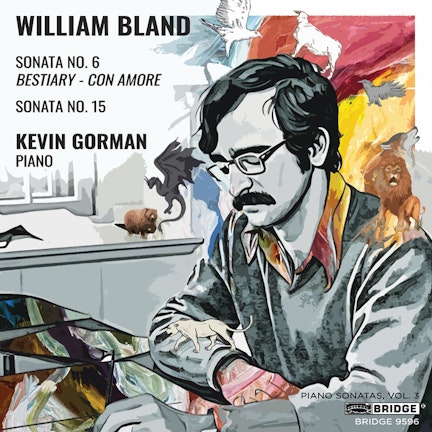
William Bland: Piano Sonatas, Vol. 3
Rachmaninoff: Piano Sonatas Nos. 1 & 2
Ives: The Piano Sonatas
Viktor Ullmann: String Quartet No. 3, Piano Sonatas Nos. 5, 6 & 7
COMPLETE RECORDINGS OF SAMUEL FEINBERG’S WORKS. Vol. 2 Piano Sonatas Nos. 4 – 8 Evgeny Starodubtsev, piano