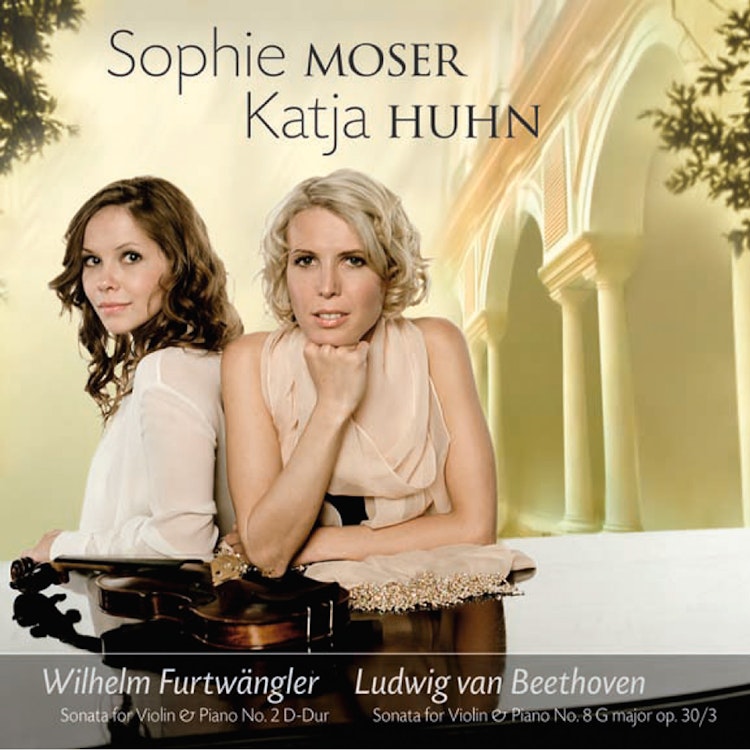
Furtwangler: Sonata for Violin and Piano No. 2 - Beethoven: Sonata for Violin and Piano No. 8
4/5/2011, 6 Tracks, 1:01:17
Featuring
Sophie Moser
Katja Huhn
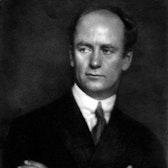
Wilhelm Furtwängler
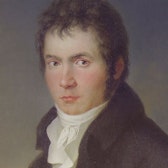
Ludwig van Beethoven
Did you know?
1/7
Composer Biography
Wilhelm Furtwängler, a renowned conductor, primarily wanted to be a composer and felt he had achieved nothing because his conducting career limited his time for composition.
Composition History
The three Sonatas op. 30 by Beethoven, including the one on this album, were dedicated to Emperor Alexander I of Russia and were conceived for the concert hall, forming a cohesive group.
Composer's Artistic Vision
Furtwängler's music is characterized by a unique, personal tonal language, avoiding imitation, and reflects his deep engagement with classical form and late Romantic harmony.
Performer Biography
Pianist Katja Huhn and violinist Sophie Moser discovered Wilhelm Furtwängler's Second Violin Sonata in a greenroom and were so fascinated by its unusual sound and intensity that they decided to perform it.
Critical Reception
Despite Furtwängler's success in helping other composers as a conductor, his own compositions struggled to gain performance and establishment in the repertoire, likely due to their intellectual demands and technical difficulty.
Interpretation
The performers, Katja Huhn and Sophie Moser, noted that Furtwängler's Second Violin Sonata requires an intimate knowledge of each other's parts due to the complex interlocking and integration of both instrumental voices, creating a 'symphonic chamber music' sound.
Critical Reception
Beethoven's ten violin sonatas have historically not achieved the same status as his string quartets or piano sonatas, with some critics suggesting that inferior performances may have contributed to this perception.
You might also enjoy...
Beethoven: Violin Sonata No. 9 in A major, Op. 47, 'Kreutzer' - C. Franck: Violin Sonata in A Major, FWV 8