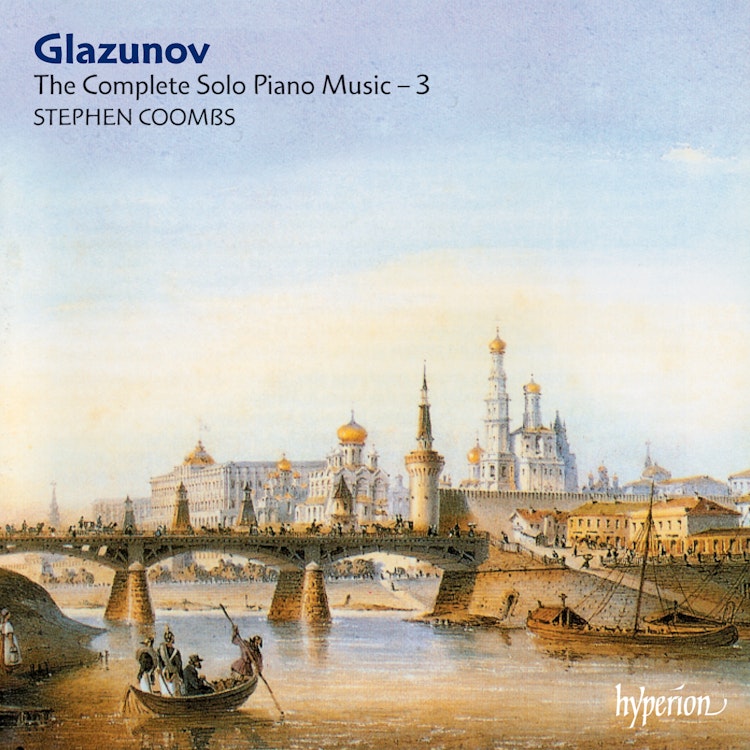
Glazunov, as recalled by his student Shostakovich, emphasized polyphony as the most important element in composition, highlighting accompanying voices and chromatic progressions in his demonstrations.
Composer Biography
Despite severe hardships and poor health after the Revolution, Glazunov continued to compose, driven by a sense of responsibility for musicians and the preservation of important work.
Cultural Impact
Despite being largely ignored in the West, Glazunov's influence as a musical conciliator lived on in successive generations of post-Revolutionary composers, especially his greatest student, Shostakovich.
Historical Context
Glazunov continued composing challenging works like the Four Preludes and Fugues, Op 101, in 1918, even as younger composers like Stravinsky and Prokofiev were considered the new voices of Russian music.
Composer Biography
Alexander Glazunov holds a particular place in Russian music, inheriting the nationalistic expression of Glinka and Anton Rubinstein's desire to integrate Russian art into European culture.
Compositional Technique
Glazunov's piano music showcases his skill as a miniaturist, the elegance of his salon music, his harmonic adventurism, and his mastery of counterpoint and large-scale forms.
You might also enjoy...
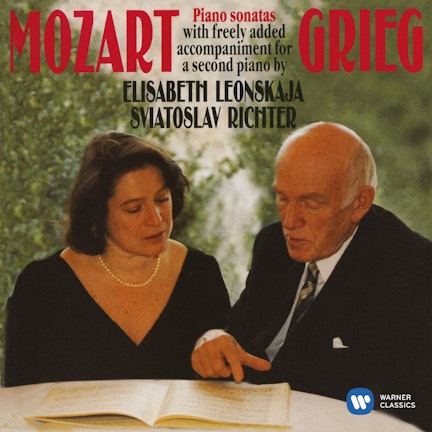
Mozart: Piano Sonatas - Grieg: Peer Gynt Suite No. 1 und 2
Suites francaises
Bach: Original Works and Transciptions by Liszt
Mozart/Grieg Sonatas
Reicha Rediscovered, Vol. 2
Severac: Piano Music, Vol. 1: Cerdana - En Languedoc
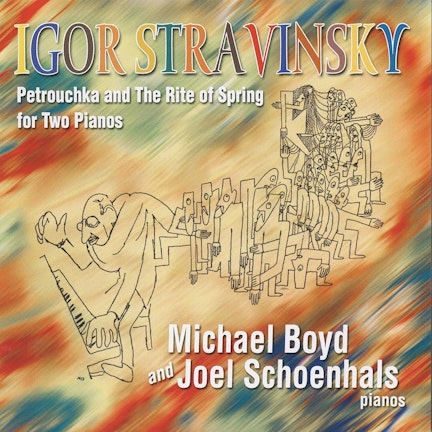
Stravinsky: Petrushka and The Rite of Spring for Two Pianos
Mozart, Grieg: Piano Sonatas
Bentzon: The Tempered Piano
British Music for Piano Duo
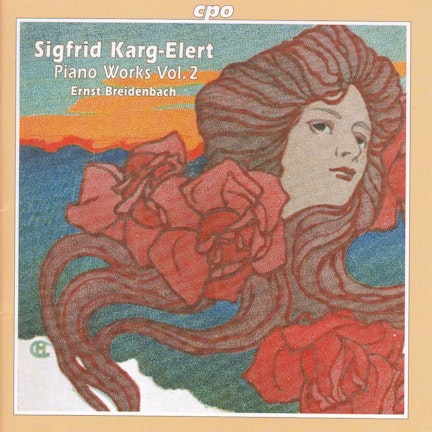
Karg-Elert: Piano Works, Vol. 2
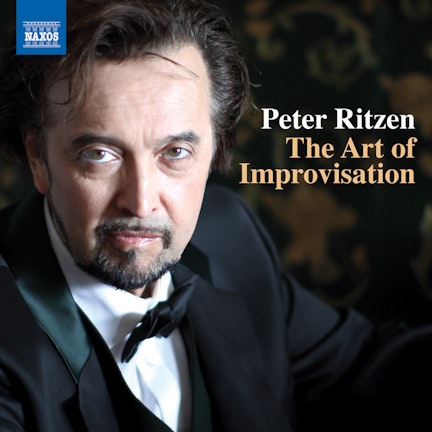
Ritzen: The Art of Improvisation
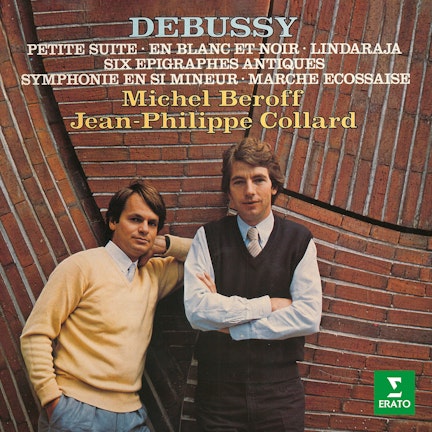
Debussy: Petite suite, En blanc et noir, Lindaraja, Épigraphes antiques, Symphonie & Marche écossaise