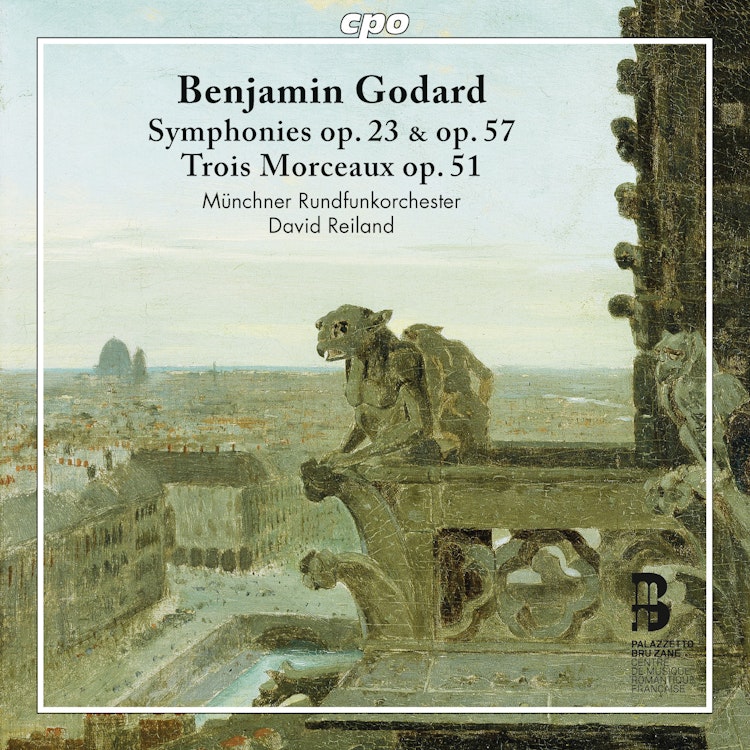
Godard's works titled 'symphony' often have five movements and are more akin to orchestral suites, a naming choice influenced by the higher prestige associated with the term 'symphony'.
Historical Context
Contrary to common belief, French composers in the 19th century maintained a strong interest in symphonic writing, with the 1870s and 80s seeing a shift in perception and a rise in instrumental music.
Compositional Technique
Godard's Symphonie gothique uses an archaic element, typically an ancient musical mode, in its first and third movements, a characteristic also found in other 'Gothic' works of the period.
Recording & Production
This album is a collaboration between Palazzetto Bru Zane, an organization dedicated to rediscovering French romantic music, and the Munich Radio Orchestra.
Composer's Artistic Vision
Godard's orchestral writing, while influenced by Mendelssohn and Schumann, also shows an awareness of modern practices, including the use of four bassoons, varied horn tunings, cornets, and three trombones, suggesting he studied Berlioz's Traité d'orchestration.
Composer Biography
Benjamin Godard's symphonic output is notable for its sheer volume and originality, especially in an era where composers often focused on creating a single, unique score.
Critical Reception
Godard's Symphony op. 57 received mixed reactions from critics; some praised his mastery of orchestral writing, while others found the instrumentation 'somewhat awkward and complex,' a criticism also leveled at Schumann's symphonies.
You might also enjoy...
Rimsky-Korsakov: Symphonies Nos. 1 and 3 / Fantasia On Serbian Themes
Spohr: Symphonies Nos. 7 & 9
Svendsen: Symphony No. 1 / Symphony No. 2 / 2 Swedish Folk Tunes
Alfven: Symphony No. 3 / Legend of the Skerries
Rimsky-Korsakov: The Complete Symphonies; Russian Easter; Capriccio es
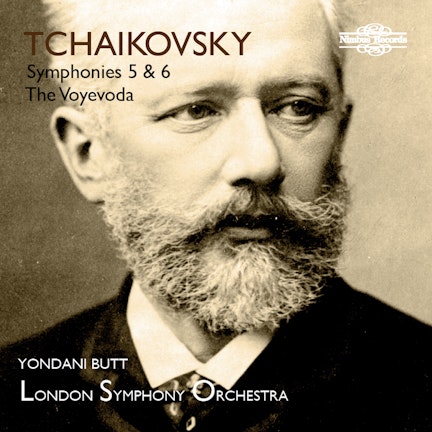
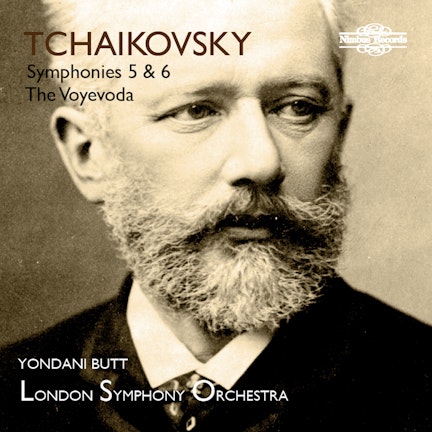
Tchaikovsky: Symphony Nos. 5 & 6 and The Voyevoda
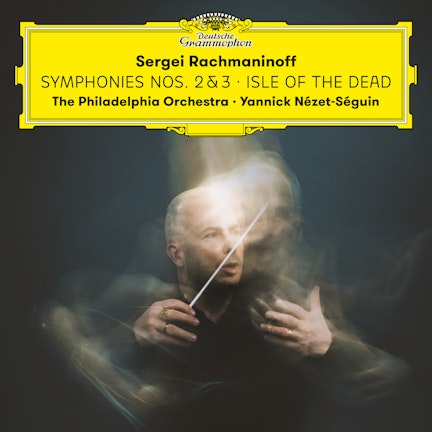
Rachmaninoff: Symphonies Nos. 2 & 3; Isle of the Dead
Rachmaninov: Symphony No. 1 - The Isle of the Dead - Youth Symphony
Saint-Saëns: Symphony No. 2, Danse macabre & Urbs Roma
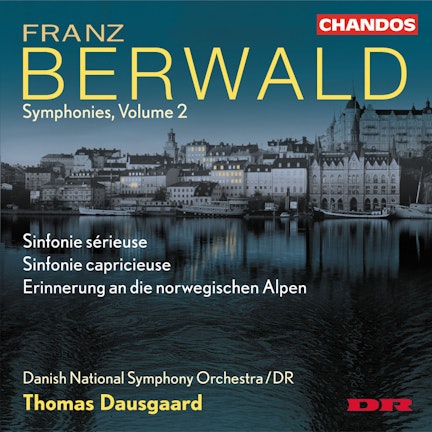
Berwald: Symphonies, Vol. 2
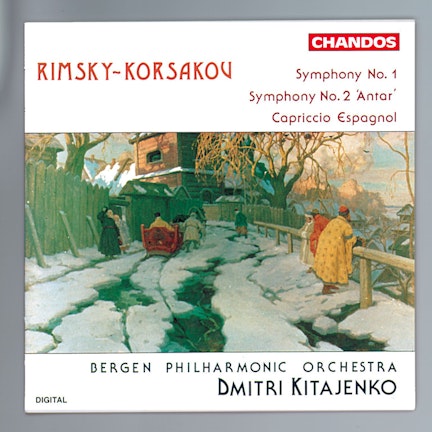
Rimsky-Korsakov: Symphonies Nos. 1 and 2 & Capriccio Espagnol
Tchaikovsky: Symphonies Nos. 5 & 6
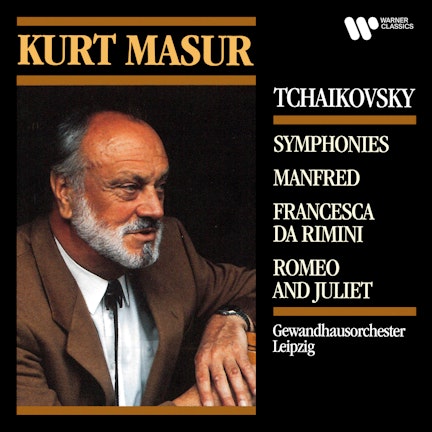
Tchaikovsky: Symphonies, Romeo and Juliet, Francesca da Rimini & Manfred